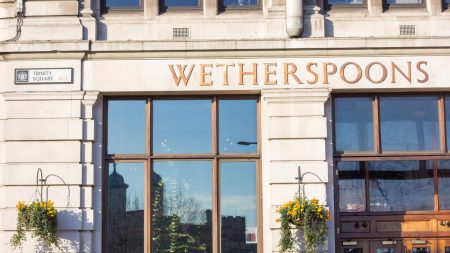



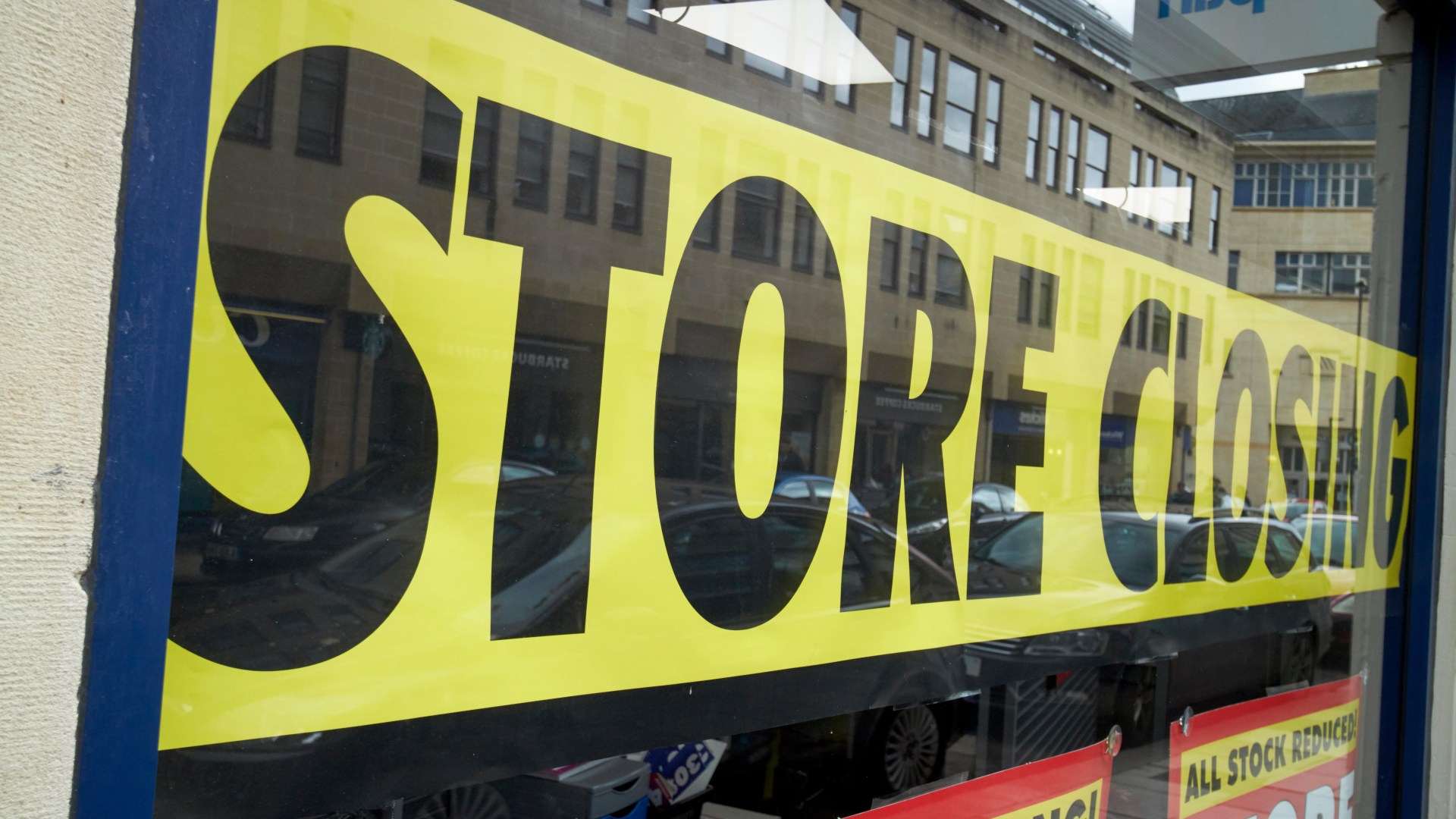
The closure of WH Smith on Bournemouth high street marks another blow to the struggling retail landscape, reflecting broader trends impacting businesses across the UK. The store, which will cease trading on January 18th, is offering discounts of up to 50% in its final weeks. This closure follows the demise of the Boscombe branch in June and the impending closure of the Winton branch in February, highlighting the retailer’s strategic shift away from traditional high street presence. Local reactions express disappointment and concern about the increasing number of vacant storefronts in Bournemouth, contributing to a perceived decline in the town’s vibrancy. While WH Smith acknowledges the closure’s impact on both customers and staff, they emphasize the unsustainability of the location and the commitment to supporting affected employees through redeployment where possible.
WH Smith’s strategic direction involves focusing on travel retail, a sector experiencing growth in contrast to the challenges faced on the high street. The company plans to open 15 new stores in airports, railway stations, and hospitals this year, with a similar number planned annually in the medium term. This expansion forms part of a broader global strategy to open 110 new shops, demonstrating a clear prioritization of travel hubs as key growth areas. This approach reflects a wider trend within the retail sector, with businesses adapting to changing consumer habits and seeking more profitable avenues for expansion. The move away from high street locations suggests a recognition of the declining footfall and increasing costs associated with maintaining these traditional stores.
The challenges faced by WH Smith are not unique, as numerous retailers grapple with similar pressures. Dobbies garden centres closed 12 stores before Christmas, while Homebase confirmed the closure of six sites before the end of the year, with further closures planned. These decisions reflect the broader economic difficulties affecting the retail sector, including rising energy costs, the shift to online shopping, and reduced consumer spending due to the cost of living crisis. These closures also underscore the ongoing restructuring within the retail landscape, as businesses seek to streamline operations and adapt to changing market dynamics. The administration and subsequent rescue of Homebase by CDS Superstores, the owner of The Range and Wilko, exemplifies the precarious position of many retailers.
The confluence of economic factors impacting the retail sector paints a challenging picture for businesses across the UK. The lingering effects of the pandemic, coupled with escalating energy costs and the shift towards online shopping, have created a difficult operating environment for traditional brick-and-mortar stores. The cost of living crisis further exacerbates the situation, as consumers tighten their budgets and reduce discretionary spending, impacting retailers across various sectors. The closure of WH Smith in Bournemouth serves as a microcosm of these larger trends, highlighting the ongoing struggles faced by businesses navigating a rapidly changing retail landscape.
The impact on employment within the retail sector remains a significant concern. While job losses decreased in 2023 compared to the previous year, the Centre for Retail Research reported 119,405 job losses and the closure of 10,494 shops. This data, while showing some improvement, still reflects the significant challenges facing the industry. The closure of prominent retailers like Wilko, which employed around 12,000 people, contributes to the overall job losses and underscores the vulnerability of even established brands in the current economic climate. The trend of store closures for cost-cutting and reorganization, rather than outright business failure, highlights the proactive measures businesses are taking to survive in a competitive market.
The outlook for the retail sector remains uncertain, with experts predicting further challenges as consumers continue to restrict spending and borrowing costs rise for businesses. The recent administrations of The Body Shop and Ted Baker underline the ongoing pressures, even for well-known brands. The combination of economic headwinds, changing consumer behavior, and increasing competition creates a complex and volatile environment for retailers. The closure of WH Smith in Bournemouth, while a localized event, reflects the broader challenges facing the retail sector and serves as a reminder of the ongoing need for adaptation and innovation in this rapidly evolving landscape. The focus on travel retail by WH Smith demonstrates one approach to navigating these challenges, but the long-term health of the retail sector will depend on the ability of businesses to adapt to changing market conditions and meet the evolving needs of consumers.