


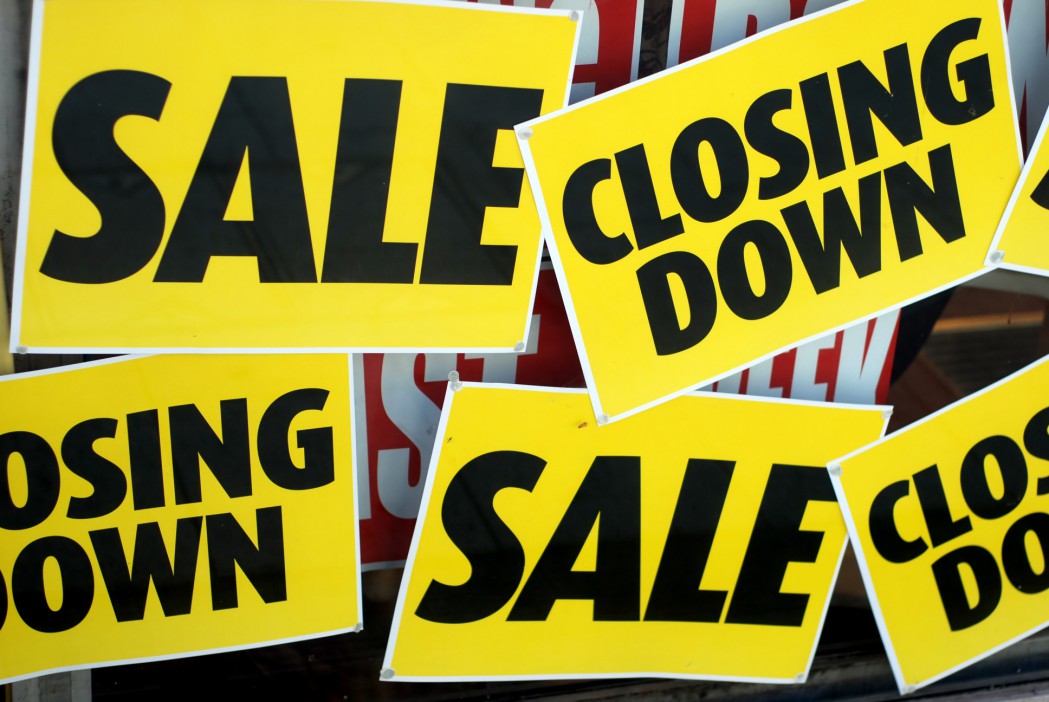
The fashion retailer Jack Wills, owned by Frasers Group, is closing its branch in Hereford’s Old Market shopping centre in March 2025. This closure follows a pattern of store closures by the brand, including locations in Southampton, Taunton, and St Andrews. A closing down sale offering 20% off full-price items is currently underway. The Hereford store’s closure has sparked local concern, with residents lamenting the increasing number of empty shops in the city center and expressing worry about the struggling high street. This closure comes on the heels of other recent retail departures from the area, including Caffè Nero and L’Occitane En Provence, further contributing to a sense of decline in the local retail landscape. The Jack Wills closure reflects a larger trend of high street struggles, exacerbated by economic pressures and changing consumer habits.
The closure of the Jack Wills store in Hereford is not an isolated incident, but rather a reflection of broader challenges facing the retail sector. Jack Wills itself has been subject to financial difficulties, leading to its acquisition by Mike Ashley’s Frasers Group in 2019. While the acquisition initially offered a lifeline, the brand has continued to struggle, leading to store closures across the UK. This downsizing reflects the ongoing challenges facing brick-and-mortar retailers, particularly in the face of rising costs and increasing competition from online retailers. The situation underlines the precarious position of many high street brands, as they grapple with evolving consumer preferences and a challenging economic climate.
The retail sector is facing significant headwinds in 2025, with predictions of widespread store closures and job losses. The Centre for Retail Research (CRR) forecasts the closure of 17,350 retail sites in 2025, following the closure of 13,000 shops in 2024. This escalating trend of closures signifies the profound challenges facing the industry, with rising costs, changing consumer behavior, and economic uncertainty all contributing to the difficult environment. The CRR’s director, Professor Joshua Bamfield, paints a bleak picture, warning that job losses in the retail sector could surpass those seen during the height of the pandemic in 2020. This grim outlook underscores the severity of the situation and the potential for significant disruption within the retail landscape.
The factors contributing to the current retail crisis are multifaceted. Rising employer National Insurance Contributions (NICs) are projected to cost the retail sector £2.3 billion, adding further pressure on already strained businesses. Research by the British Chambers of Commerce indicates that over half of companies are planning to increase prices in response to rising costs, particularly the escalating cost of labor. This inflationary pressure further squeezes consumers, potentially leading to reduced spending and exacerbating the difficulties faced by retailers. The confluence of these economic pressures creates a challenging cycle, with rising costs for businesses leading to higher prices for consumers, which in turn can suppress demand and further contribute to the decline of the high street.
The struggles faced by Jack Wills and other high street retailers highlight a broader shift in consumer behavior. The rise of online shopping has significantly impacted traditional brick-and-mortar stores, offering consumers greater convenience and often lower prices. This shift has forced many retailers to adapt their strategies, investing in online platforms and omnichannel experiences to compete with online giants. However, this transition is costly and not all retailers have the resources to effectively compete in the digital marketplace. The challenges faced by traditional retailers demonstrate the need for innovation and adaptation in the face of evolving consumer demands and a rapidly changing retail landscape.
The closure of Jack Wills in Hereford symbolizes the wider challenges facing the high street, from rising costs and changing consumer habits to the ongoing impact of the pandemic and economic uncertainty. The future of the high street remains uncertain, and while some businesses may adapt and thrive, others will undoubtedly struggle to survive in this increasingly competitive and challenging environment. The situation calls for innovative solutions and collaborative efforts to revitalize town centers and ensure the long-term viability of the high street. The closure of Jack Wills serves as a reminder of the ongoing evolution of the retail landscape and the need for both businesses and communities to adapt to these changes.