

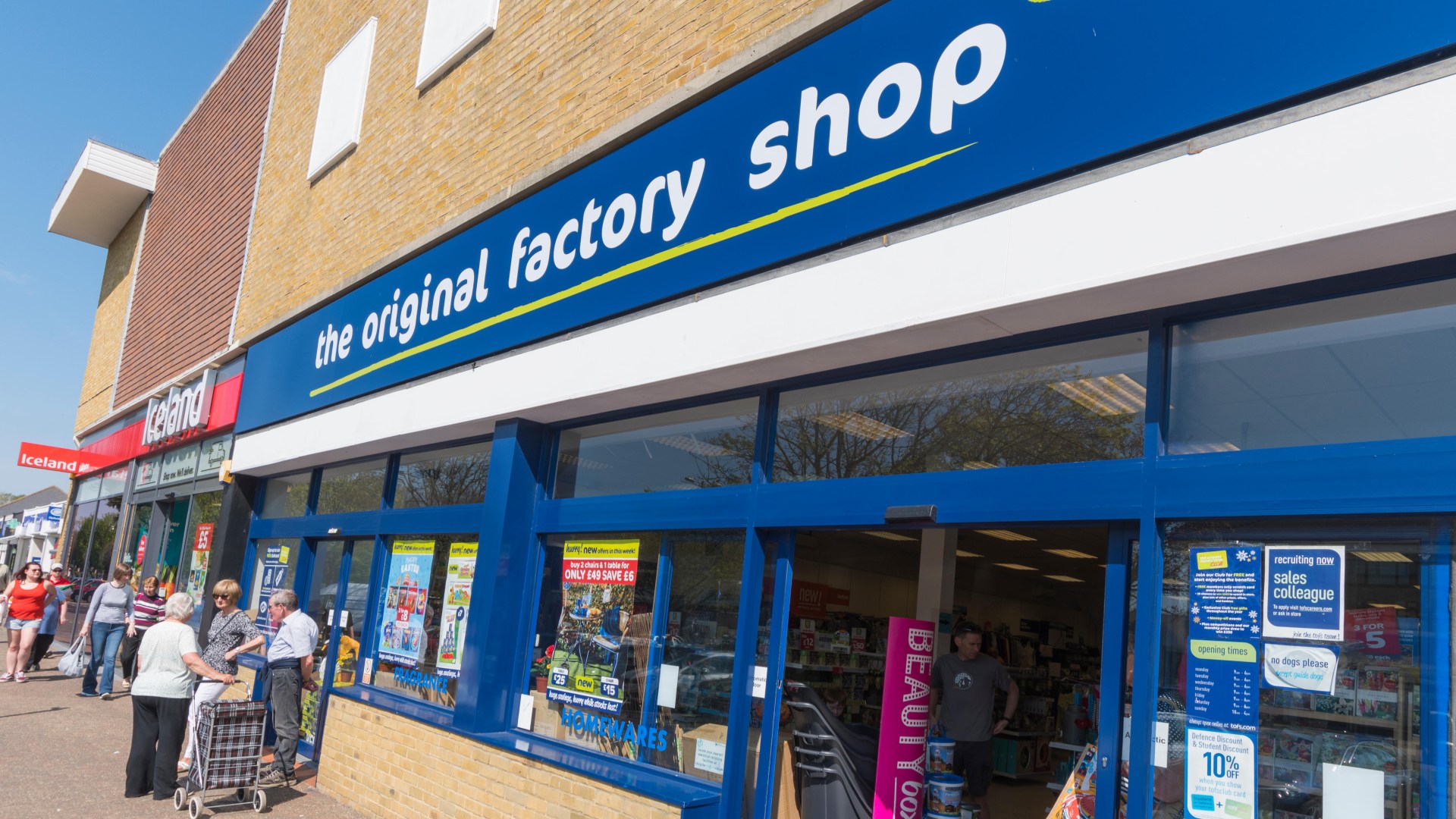
The Original Factory Shop, a UK discount department store chain, is closing its Haverfordwest, Wales branch on December 14, 2024, marking another casualty in the ongoing British retail apocalypse. The announcement, made via Facebook, sparked disappointment among local shoppers who lamented the loss of a valued bargain haven and praised the store’s friendly staff. The closure follows a pattern of similar shutdowns by the retailer, with seven other branches already shuttered this year across England and Wales, including locations in Brightlingsea, Bodmin, Chepstow, Fakenham, Harwich, Mildenhall, Padiham, Taunton, and Deal. Despite these closures, The Original Factory Shop has also been strategically opening new stores in various locations, indicating a dynamic restructuring of its physical presence.
The Haverfordwest closure is part of a broader trend of retail decline affecting UK high streets. Several factors contribute to this phenomenon, most notably the rise of online shopping, which has significantly impacted in-store sales. Coupled with increasing staff costs, maintaining physical stores has become less financially viable for many retailers. Changing demographics and town planning also play a role, as shoppers gravitate towards retail parks offering free and convenient parking, while town centers often struggle with high parking charges imposed by local councils. This shift has led retailers like Next and Marks & Spencer to close high street locations in favor of larger, more profitable retail park spaces.
The closure of anchor stores in town centers often triggers a domino effect, leading to decreased footfall and further closures of smaller businesses. The retail landscape is further complicated by the recurring cycle of businesses going bust, with their intellectual property often being acquired by competitors or private equity firms who prioritize online sales and may only reopen a limited number of physical stores. This trend emphasizes the evolving nature of retail and the challenges faced by traditional brick-and-mortar businesses.
While the closure of established retail stores paints a bleak picture for many high streets, The Original Factory Shop’s strategy also includes expansion. Since August 2023, the retailer has opened new stores in numerous locations across the UK, including Kirkintilloch, Stonehaven, Blandford Forum, Haddington, Wetherby, Nairn, Ashbourne, Castle Douglas, Penrith, Inverness, Attleborough, Ayr, Ringwood, Perth, Lanark, and Peterhead. This demonstrates an attempt to adapt to changing market conditions and cater to evolving consumer preferences. The company is effectively balancing closures in underperforming areas with strategic openings in more promising locations.
The Original Factory Shop is not alone in its restructuring efforts. Other retailers are also making difficult decisions about their physical presence. Dobbies Garden Centres, for example, is closing 16 branches before Christmas due to unsustainable rent costs. Fashion retailer Monki, owned by H&M, is closing all its UK stores, possibly merging with another H&M brand, Weekday, to create a more appealing offering for young shoppers. Card retailer Clintons is also closing several stores, including one in Andover, Hampshire, with more closures expected in the coming months. These examples highlight the widespread challenges facing retailers in the current economic climate.
The evolving retail landscape requires businesses to adapt and innovate to survive. The Original Factory Shop’s strategy of closing some stores while opening others reflects this dynamic environment. While the closure of the Haverfordwest branch and others represents a loss for the affected communities, the simultaneous opening of new stores suggests a commitment to remaining competitive and catering to changing consumer demands. The long-term success of retailers will depend on their ability to navigate these challenges and find a sustainable balance between physical and online presence.