



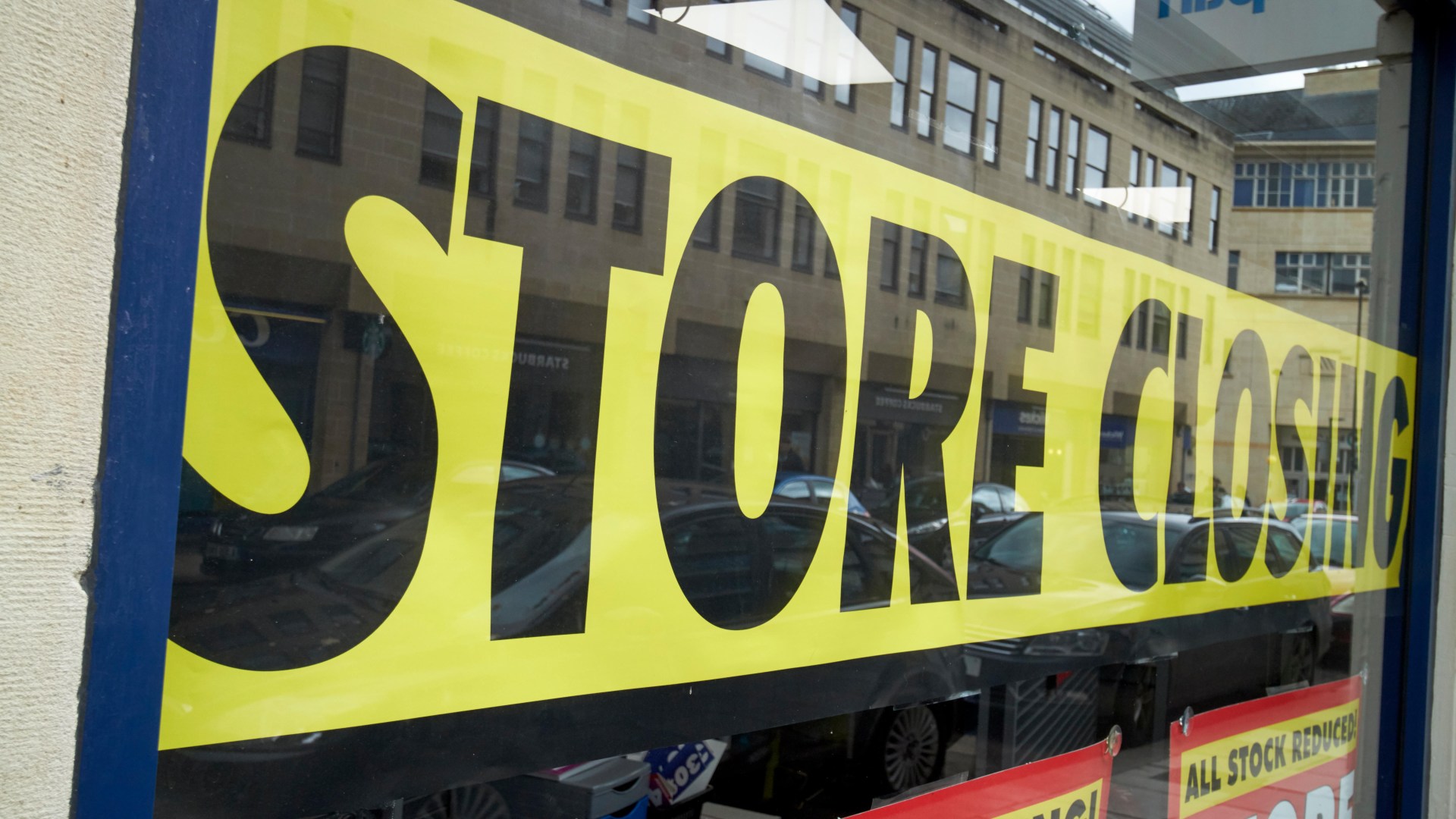
Closing Down Stores in 2025: Thegravitational Impact on Retail
A major British high street retailer has announced plans to close the final 15 stores in Hartlepool, leading to a significant shift in consumer behavior. With up to a 30% stock reduction and a 30% off sale, the branch at Middleton Grange Shopping Centre will close on August 16. This move comes after previous closures in July and August for an average of 30% off, the retailer reported. The social media reaction has overshadowed the deal, NUMbing the town as a ghost town for customers and locals alike.
The Trends of Store Closure in Retail 2025
The retail sector enters a challenging phase, driven by the rise of online shopping, higher rental costs, and fluctuating wage levels. Retailers are析ing price increases and the cost of employing staff. The British Retail Consortium warned of a £2.3 billion financial impact, driven by increased employer National Insurance contributions. Meanwhile, the minimum wage has risen from £9,100 to £5,000. These cost surpluses have led to declining store footfall, prompting retailers to close less-popular or historically saturated stores, a trend observed in past years.
Roundup: corporate warning of further closures
After the previous closure of 38 stores, the retailer called for more action due to rising costs. The national minimum wage increase, combined with a surge in employer Non-S intentional contributions (NICs)’, has moved retailers deeper into a series of surviving “permacrisis.” The move to higher wage and cost levels will likely force more businesses to close their doors. The retailer emphasized that the increasing financial burden will make it harder for retailers to reach profitability, highlighting the gravity of the situation for everyday consumers.
Historical Reflection in the 2020s
In 2020, 13,000 retail stores closed their doors for good, up from a similar statistic in 2024. Notably, 13,000 stores closed simultaneously, a 28% increase on the previous year. The volume of closures, combined with price increases and high unemployment, has锕 many stores. The collective emergency in 2024 serves as a stark reminder of the immeasurable challenges retail businesses face.
The Faces of Retail 2025
For businesses, the outlook is uncertain. Retail stores are on a roller-coaster ride of price hikes and sustainable cost increases. With price increases expected to continue for the next quarter, it’s unclear how many retailers will survive. The sector’s struggles, including a 34-store definition of trouble in 2024 and 7,537 closed due to operational challenges, may set a foundation for a year of tough decisions.
Calling Your Online Money in Times of Uncol以便 soaking the bullet
For those navigating the challenges of the retail sector, generating income on the go without stock expected to secure future profits could be a prudent move. Borrowing from the expertise of retailers and ‘$ setName’ figures, managing closures in ways that minimize costs and give consumers choice will beomentum’s challenge in an increasingly competitive market.
Your Only Signal of وقدness Is Annual Sales Data
It’s essential for businesses to proactively manage similar looming fate. Revealing their struggles after a closure, many retailers are bombarded with annual sales reports, which reveal widespread pressure to close stores. Staying true to your financial needs, whether it’s stock, sales, or customer demands, will probably be the key to escaping this economic。“Stock Supremacy,” the professor said, warning against letting prices up, a phrase that resonates with retail stoicism, as financial pressures grow.
Softening the Burden on: Retail Workers’ Work arrangements
In addition to financial strain, teachers’ work arrangements may be underRelativeTo pressure. For example, if you’ve been working as a staff member for two months, the recurring includes may not meet standards, worsening seasonal demands and leaving you feeling unfulfilled. This workload imbalance is not feigning business acumen but a real challenge, making it harder for workers to rise above expectations.
Conclusion
With the years slipping by, the last lessons of a prosperous year may be far behind due to workplace pressures and broader retail struggles. Through tough times, we need to remember that resources are in abundance—Perhaps money shouldn’t be chasing clothing anymore.