


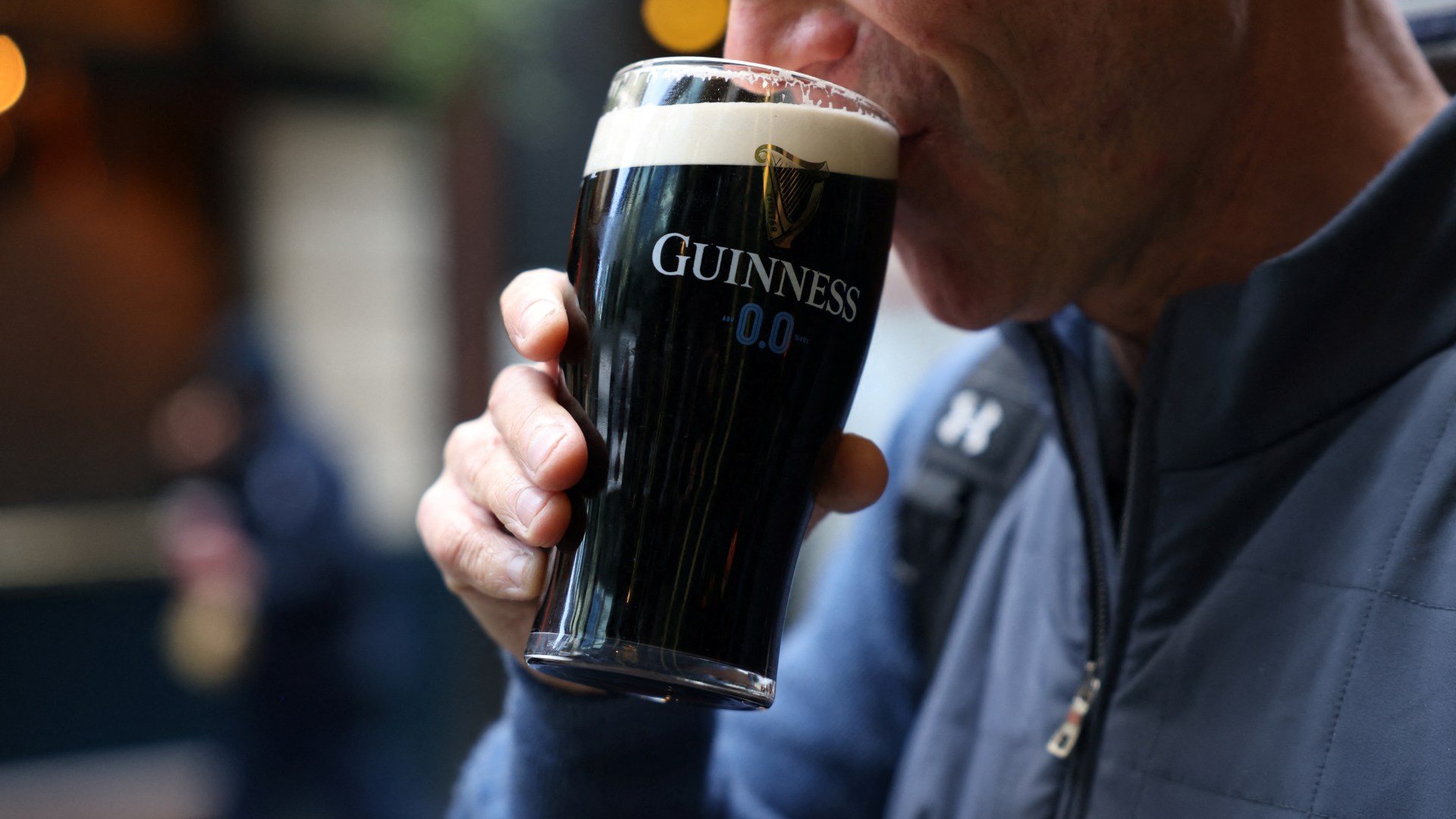
A Guinness shortage has swept across pubs in England, Wales, and Scotland, leaving many establishments dry or implementing rationing measures just days before Christmas. This scarcity stems from “exceptional consumer demand,” according to Guinness’s parent company, Diageo, which has been forced to restrict supply. This heightened demand has coincided with a spell of colder weather and a series of rugby union internationals in November, boosting the popularity of the iconic Irish stout, particularly among rugby fans. The shortage doesn’t extend to Northern Ireland or the Republic of Ireland.
The impact of this shortage is widely felt. Some pubs, like The Liffey in Liverpool, have completely run out of Guinness, drastically impacting their usual sales. Others, such as Katie O’Brien’s Irish bar chain, experienced temporary outages but managed to restore supply within a few days. Many publicans have resorted to creative rationing methods. The Old Ivy House in Clerkenwell, for instance, requires patrons to purchase two other drinks before they qualify for a pint of Guinness, using a stamp card system to track consumption. Despite these efforts, several pubs, including The Old Ivy House and The Marquis in Covent Garden, eventually ran out of Guinness, highlighting the severity of the shortage.
Data from the food and drinks industry research firm CGA reveals a significant increase in Guinness sales (over 20%) between July and October, underscoring the rising popularity of the beverage. This surge in demand has been further amplified by the drink’s growing presence on social media, with “Guinnfluencers” contributing to its trendy status. The longstanding association between Guinness and rugby, spanning 60 years, further solidifies its appeal and likely contributes to the increased demand during rugby season. While Diageo has maximized supply and is working with customers to manage distribution efficiently, the shortage continues to pose a challenge for pubs across the affected regions.
The Guinness scarcity comes amid broader changes in the alcoholic beverage market, including shifts in consumer preferences and adjustments in taxation policies. The recent implementation of a tax based on alcoholic strength, rather than type, has influenced some brewers to reduce the alcohol content of their beers. This cost-saving measure, although potentially beneficial for producers, has raised concerns among some consumers and industry observers. Several major beer brands, including Hophead, Banks’s Amber Ale, Carlsberg Danish Pilsner, and Grolsch Premium Pilsner, have reduced their alcohol by volume (ABV), sometimes while maintaining the same wholesale price.
This reduction in ABV has sparked criticism, particularly from groups like the Campaign for Real Ale (CAMRA), who see it as a detrimental trend eroding UK brewing heritage. The trend of large, globally owned businesses altering traditional recipes and strengths raises concerns about the preservation of classic British beers. Furthermore, the decision by Carlsberg Marston’s Brewing Company (CMBC) to discontinue 11 classic cask beers adds to this anxiety, further illustrating the changing landscape of the British beer market.
While the Guinness shortage creates immediate challenges for pubs and their patrons, the wider shifts in the alcoholic beverage industry, including changes in taxation and brewing practices, point to a more complex and evolving market. These trends, such as the reduction in ABV and the discontinuation of traditional cask ales, may have long-term consequences for the diversity and character of British beer. The confluence of these factors, from supply chain disruptions to evolving consumer tastes and regulatory changes, creates a dynamic and uncertain future for the pub industry and the beverages it offers. These challenges underscore the need for pubs and breweries to adapt to these shifts while also preserving the traditions and variety that define British pub culture.