



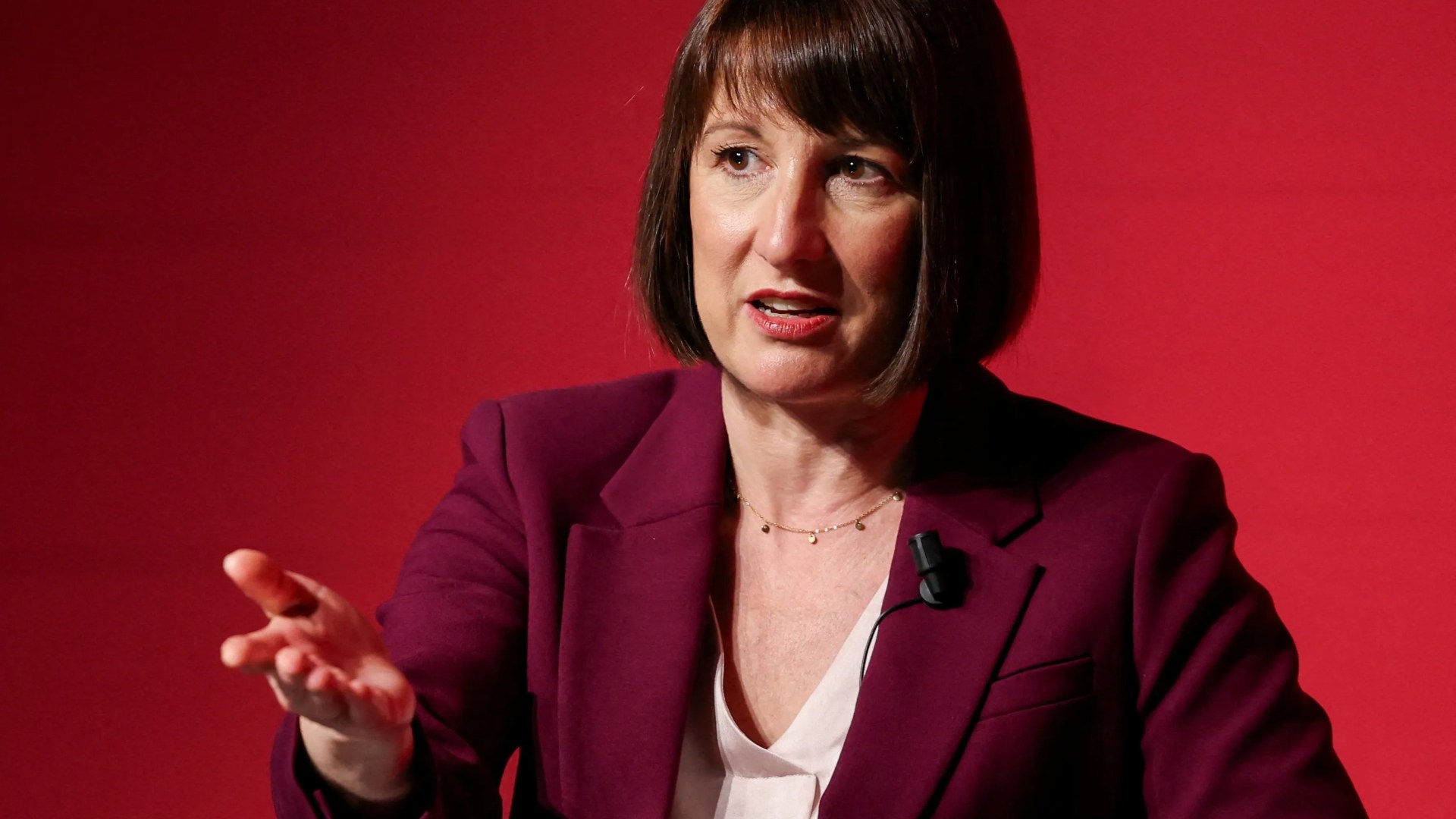
The UK government has postponed a crucial review of the national pension system, a move met with significant concern from industry experts and potentially impacting the retirement prospects of millions. The review, initially intended to bolster retirement incomes by an average of £11,000, was reportedly delayed due to concerns about the additional financial burden it would place on businesses, already grappling with recent tax increases announced in the October budget. Chancellor Rachel Reeves is said to have halted the second phase of the review, fearing it would necessitate increased employer contributions to pension funds, amounting to billions of pounds. This decision follows the controversial increase in Employer National Insurance contributions, a budget measure designed to generate £25 billion for the Treasury but which has drawn considerable criticism from the business sector.
The pension review, announced in June, was a cornerstone of the government’s strategy to stimulate economic growth and improve living standards across the country. It was envisioned as a two-stage process, with the first phase focusing on short-term improvements and the second addressing long-term sustainability and adequacy of retirement income. While the interim report of the first phase was published in November, with the final report expected in the spring, the timeline for the second phase remains uncertain. The Department for Work and Pensions (DWP) has acknowledged the delay but has not offered a definitive timeframe for its resumption, emphasizing the government’s commitment to supporting future pensioners and highlighting the inclusion of the Pension Schemes Bill in the King’s Speech as evidence of this commitment.
At the heart of the delay lies the anticipated recommendation of the review to increase pension contributions from the current 8% to 12%. This increase would primarily affect employers, who are currently mandated to contribute a minimum of 3% of an employee’s salary, with the remaining 5% coming directly from the employee. The proposed increase would significantly raise employer costs, further exacerbating the financial pressures resulting from recent tax hikes. The Pension Schemes Bill, introduced following the announcement of the review, outlined several key measures designed to improve the pension system for over 15 million savers. These measures included the automatic consolidation of small pension pots, enhanced value-for-money assessments of pension schemes, improved guidance for savers on retirement income products, and the creation of “superfunds” through the consolidation of defined benefit pension schemes.
The delay has sparked considerable anxiety within the pensions industry. Experts warn that postponing action on pension adequacy could have severe long-term consequences, leaving millions facing inadequate retirement incomes. They emphasize the urgency of addressing this issue, arguing that the current minimum contribution levels are insufficient to provide adequate retirement funds for most people. Furthermore, they highlight the ongoing challenges of implementing previously proposed reforms, such as applying minimum contributions to the first pound of earnings and lowering the qualifying age for auto-enrolment. The exclusion of millions of self-employed workers from auto-enrolment also remains a significant concern, leaving them vulnerable to financial insecurity in retirement.
Despite the delay, individuals can take proactive steps to bolster their pension savings. Contributing to a workplace pension is the most common method, with employers legally obligated to contribute a minimum percentage. Crucially, pension contributions benefit from government tax relief, effectively boosting savings. Even small increases in contributions can significantly impact long-term retirement income. The power of compounding means that money invested in a pension has the potential to grow exponentially over time. Therefore, increasing contributions, even by a small percentage, can lead to substantial gains over the long term.
The postponement of the pension review underscores the complex balancing act facing the government as it seeks to stimulate economic growth while ensuring the long-term financial security of its citizens. While the delay may provide temporary relief for businesses facing increased tax burdens, it also raises concerns about the adequacy of future retirement incomes. The government faces the challenge of finding a sustainable solution that balances the needs of businesses with the long-term well-being of its citizens. The ongoing debate around pension reform highlights the importance of proactive financial planning and the need for individuals to take responsibility for their own retirement security.