

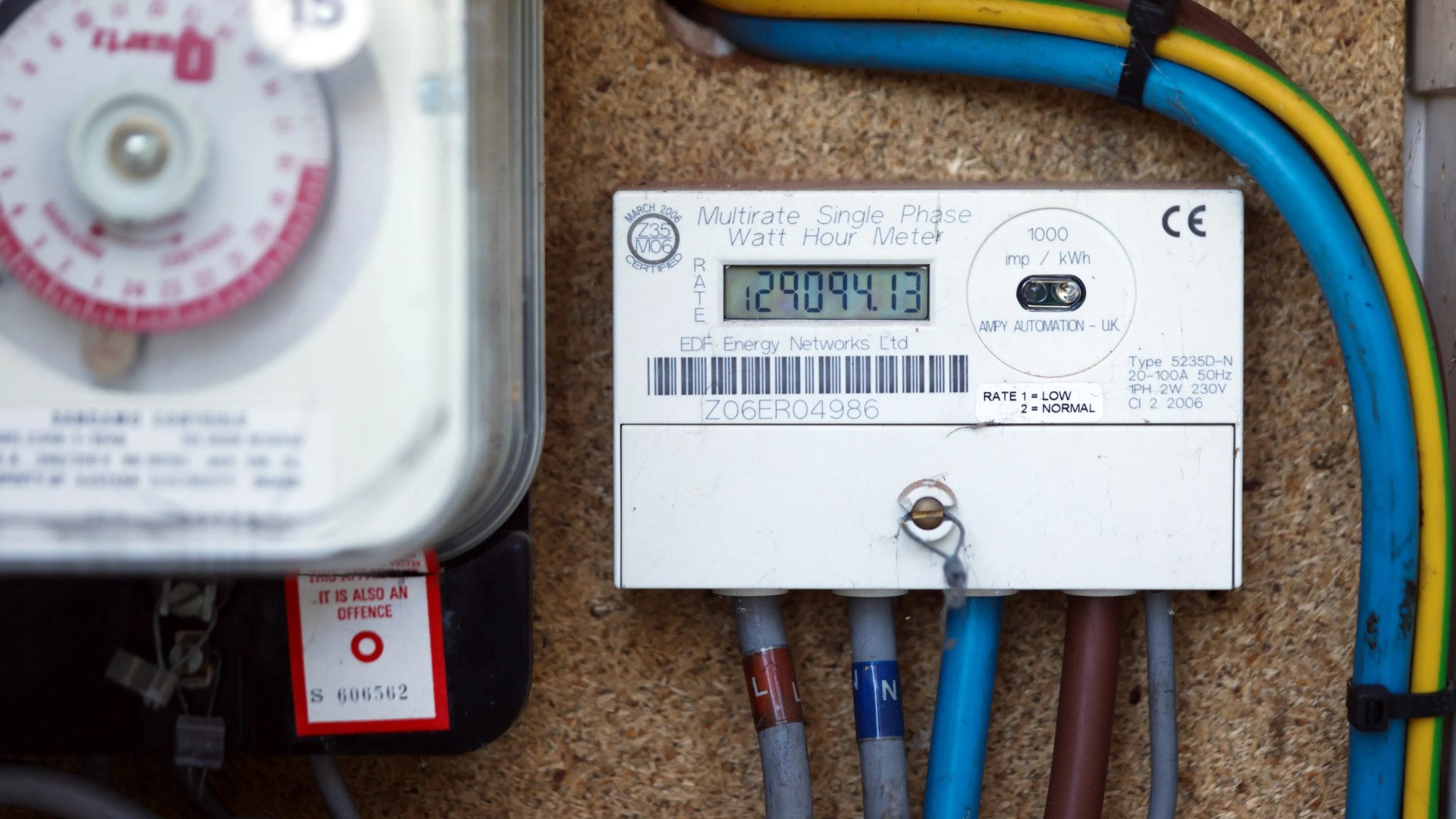
The transition of Radius Technology (RTS) energy meters to smart meters has become a critical milestone for consumers and operators, as millions of whereabouts rely on these meters for a significant portion of their energy usage. In 2025, nearly 530,000 households will need to switch to smart meters, a period of about 18 months. This move is expected to save billions of pounds by reducing power consumption, with electricity bills potentially cutting by up to 30%. Whites help ensure that this transition is smoother than ever, with Ofgem and E.ON guiding companies and suppliers.
One of the key features of smart meters is their ability to monitor power usage and price based on demand, offering a more personalized approach to energy management. These devices can adjust costs at different times of day, making them highly efficient for peak-time demand. However, smart meters are built on dynamic astronomy, and the RTS signal can sometimes fail, leading to potential disruptions in power supply. In such cases, smart meters may lock off peak-time rates, causing large increases in energy bills for consumers relying on them. Some smart meters also leave systems such as heating controlled by the RTS permanently on or off, eliminating the need for retrograding their energy usage.
Despite these challenges, smart meters are transforming how consumers interact with their energy bills. Notably, 4 in every 10 British households already have smart meters compared to 22% of E.ON האי-OGE7 Smart Meters. However, not all smart meters are “dumb,” and many operators are facing issues like broken displays or connection problems. To address these, it is crucial for providers to prioritize reliable smart meter installations, with ongoing monitoring by Ofgem as part of a new tiered offer focused on ensuring even the fairest, smart tariff options for each user.
For customers seeking a swift solution, many companies are taking direct action by offering traditional meters as an alternative. While smart meters can replace most older tiers, they are not obligated to provide a smart meter, leaving residue users without one. This service offers minimal disruption, as they can request an upgrade and monitor rarity without regard to their service package.
The process of switching to smart meters is faster than ever, with 1 in 10 British households already obtaining one versus the 65,000 customers surveyed by E.ON. Despite these invitations, many smart meter users experience several challenges, such as over-focusing on theirsmart meters rather than their comfort. The next era of energy management is thriving as smart meters offer real-time data,
light-based solutions, and the ability to switch on and off systems like heating and water. However, consumer resistance to change persists, and some traditional utilities are still rushing toada这是某种新型правля模型或他人间化合物。