



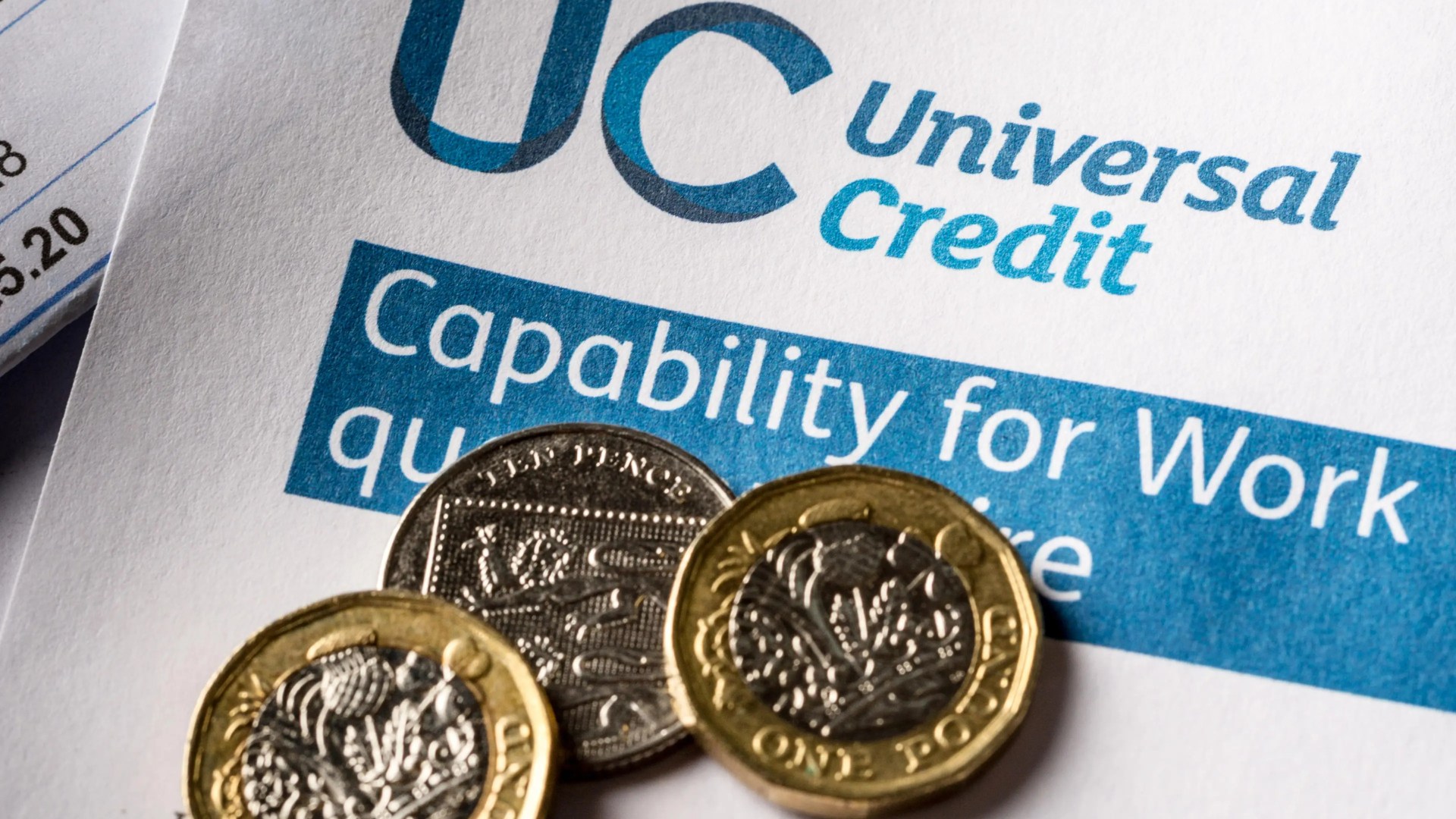
A significant alteration to Universal Credit regulations is slated to take effect within months, potentially boosting the finances of 1.2 million individuals by up to £420 annually. Currently, the Department for Work and Pensions (DWP) can deduct up to 25% of a claimant’s standard allowance to repay debts, encompassing benefit advances, tax credit overpayments, rent and council tax arrears, and outstanding utility bills. This deduction rate will be reduced to 15% starting in April, aiming to provide financial relief to vulnerable households by extending the repayment period. This change is projected to provide single parents with an additional £39 per month and two-parent families with up to £62 extra monthly. Chancellor Rachel Reeves stated that this measure would lift children out of poverty and provide an average annual gain of £420 for the 1.2 million poorest households.
Further benefit changes include a 1.7% increase for claimants in April 2025, linked to the previous September’s inflation figure through the annual uprating process. The DWP has published the revised daily rates effective from April 2025. These rates reflect adjustments for various scenarios, including sanctions and third-party deductions. For instance, the daily rate for single claimants over 25 will increase from £12.90 to £13.10, while the maximum deduction for rent and service charges will decrease, reflecting the change from 20% to 15% of the standard allowance. These adjustments aim to provide greater clarity and support for claimants navigating the Universal Credit system.
The DWP employs various deduction types to recover debts. These include deductions for advance payments received during the five-week waiting period for the first Universal Credit payment, budgeting advances for essential household expenses, and overpayments of Universal Credit or tax credits. Further deductions can be applied for fraud or sanctions related to misrepresentation or withholding information about circumstances affecting entitlement, as well as third-party deductions for debts owed to external organizations such as landlords or utility companies. It is crucial to note that not all deductions are mandatory; some, like those for utility bills via the Fuel Direct scheme, can be voluntarily initiated by claimants.
Advance payments are a common reason for deductions. These loans, provided to alleviate financial hardship during the initial waiting period or due to a change in circumstances, are repaid through deductions from subsequent Universal Credit payments. The repayment period is typically 24 months for new claims and six months for changes in circumstances. Similarly, budgeting advances are interest-free loans for specific expenses like furniture or clothing. Repayment amounts, deducted automatically from benefits, are income-based, and the loan is usually repaid within a year, extendable to 18 months in exceptional cases.
Overpayments, whether from Universal Credit or tax credits, are also subject to deductions. For Universal Credit overpayments, the maximum deduction is 15% of the standard allowance for those without earned income and 25% for those with earned income. Tax credit overpayments are recovered through Universal Credit payments, with HMRC notifying claimants about the repayment details. Fraud and sanctions, resulting from deliberate misrepresentation or withholding of information, can lead to reductions in the standard allowance, ranging up to 100% for single claimants and 50% per person for joint claims. During these periods, no other deductions are applied except for last-resort deductions.
Third-party deductions address debts owed to external organizations. These can be applied without the claimant’s permission for housing costs, unpaid rates, and child maintenance. A maximum of three third-party deductions can be active simultaneously, each fixed at 5% of the standard allowance, except for rent deductions, which range from 10% to 20%. Unlike other non-voluntary deductions, claimants can initiate deductions for certain bills, such as utility payments through the Fuel Direct scheme, to manage their finances effectively. To ensure they are receiving all entitled benefits, claimants can utilize online benefit calculators offered by organizations like Turn2Us, Entitledto, MoneySavingExpert, and Policy in Practice. While these calculators provide an estimate, the precise entitlement is determined upon application.