



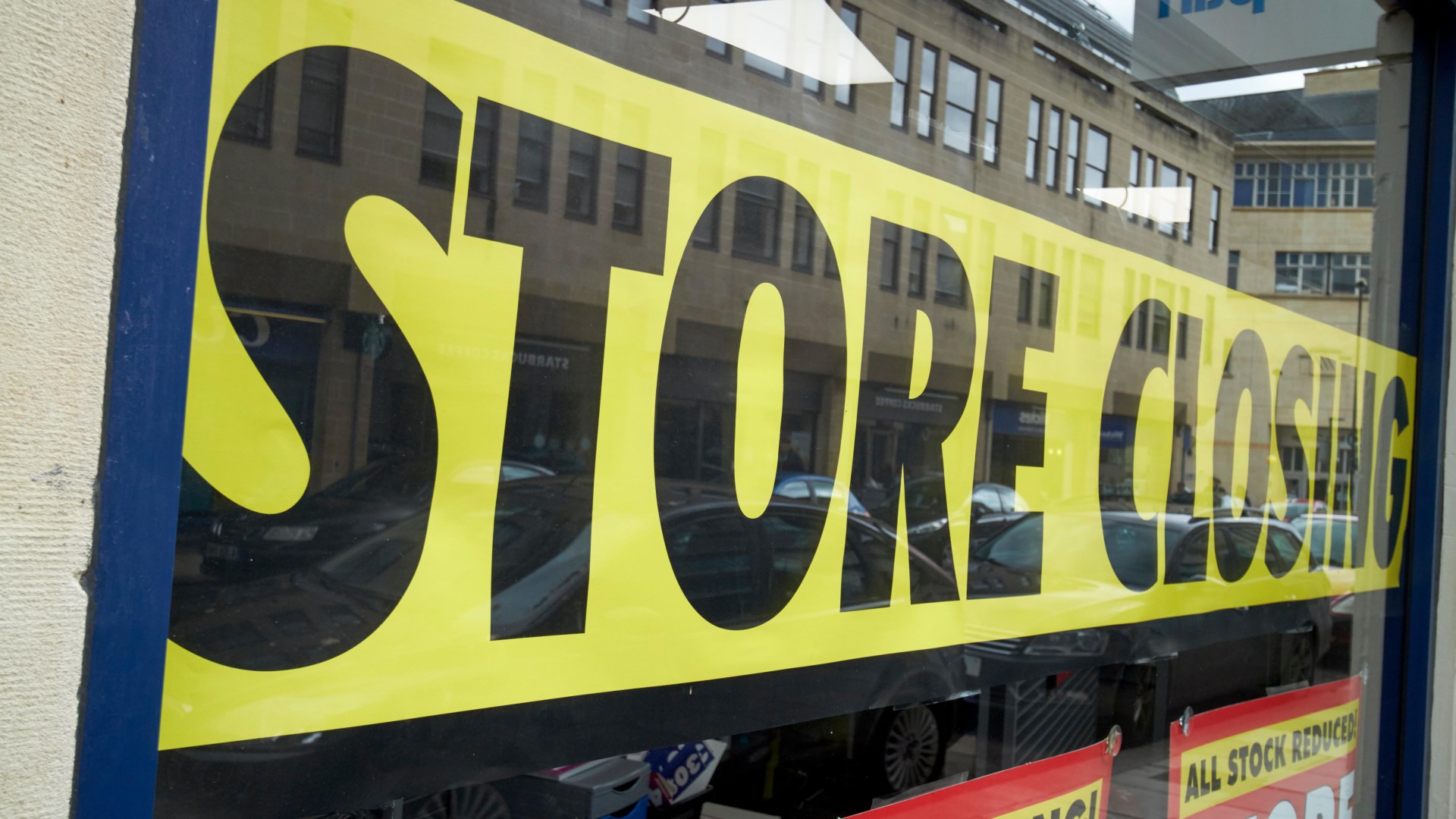
Sara Davies, the "Dragons’ Den" star and entrepreneur, has been forced to close a retail location of her crafting business, Crafter’s Companion, in a strategic move to safeguard the remaining operations. The Barlborough store, situated near Chesterfield, ceased operations in early January 2025, resulting in the loss of ten jobs. This difficult decision came amidst a challenging financial period for the company, culminating in administration earlier in the month. Davies managed to reacquire the business, but the closure of the unprofitable Barlborough branch, a decision made by the administrators prior to the buyback, became unavoidable. Davies expressed her regret over the redundancies, emphasizing the necessity of the closure for the overall health of the business. Her focus now lies on bolstering the remaining Evesham store and the company’s online presence.
Crafter’s Companion, established by Davies during her university years in 2005, experienced a significant downturn in recent years, with revenues plummeting over 20% in 2023. The company’s financial reports revealed a drop from £37.8 million in 2022 to £29.9 million in 2023. This decline, coupled with an ambitious expansion strategy during a period of economic instability, contributed to the company’s financial woes. Davies acknowledged the challenging post-pandemic climate and the unsuccessful expansion strategy as key factors leading to the administration. The restructuring, however, allowed for the preservation of the majority of jobs, primarily in Northeast England, and ensured the continuation of the business.
The closure of the Crafter’s Companion store reflects a broader trend of struggle within the UK retail sector. A confluence of factors, including the rise of online shopping, soaring inflation impacting consumer spending, and increased operational costs, has created a difficult environment for brick-and-mortar businesses. The Centre for Retail Research (CRR) reported a staggering number of store closures in 2024, with over 13,000 retail locations shutting their doors. This trend is projected to continue in 2025, with the CRR forecasting the closure of approximately 17,350 retail sites. The increasing shift towards online shopping has diminished the profitability of physical stores for many retailers.
The rising costs of operating physical stores, including staff wages and business rates, have further exacerbated the challenges faced by retailers. The British Retail Consortium has highlighted the impact of increased employer National Insurance Contributions (NICs) and rising minimum wage requirements, adding to the financial burden on businesses. The shift in consumer preference toward retail parks, offering free parking and a wider range of stores, has also contributed to the decline of high street shopping. Retailers like Next and Marks & Spencer have adapted to this trend by closing high street locations and opening larger stores in retail parks.
Another significant contributor to retail closures has been the wave of administrations and bankruptcies affecting major retail chains. Several well-known brands, including Ted Baker, Wilko, and Paperchase, have succumbed to financial difficulties, leading to widespread store closures. In many cases, when a company goes into administration, rival retailers or private equity firms acquire the brand and intellectual property rights, often prioritizing online sales over maintaining physical stores. This trend further accelerates the decline of high street retail.
The closure of retail stores has a cascading effect on local communities, leading to decreased foot traffic, impacting neighboring businesses, and contributing to the overall decline of high streets. As large stores close, footfall decreases, putting other businesses at risk and creating a cycle of decline. This issue highlights the complex challenges confronting the retail sector and the need for innovative strategies to adapt to changing consumer behavior and economic conditions. The future of the high street remains uncertain as retailers grapple with the evolving landscape of commerce and strive to find sustainable models for success.