



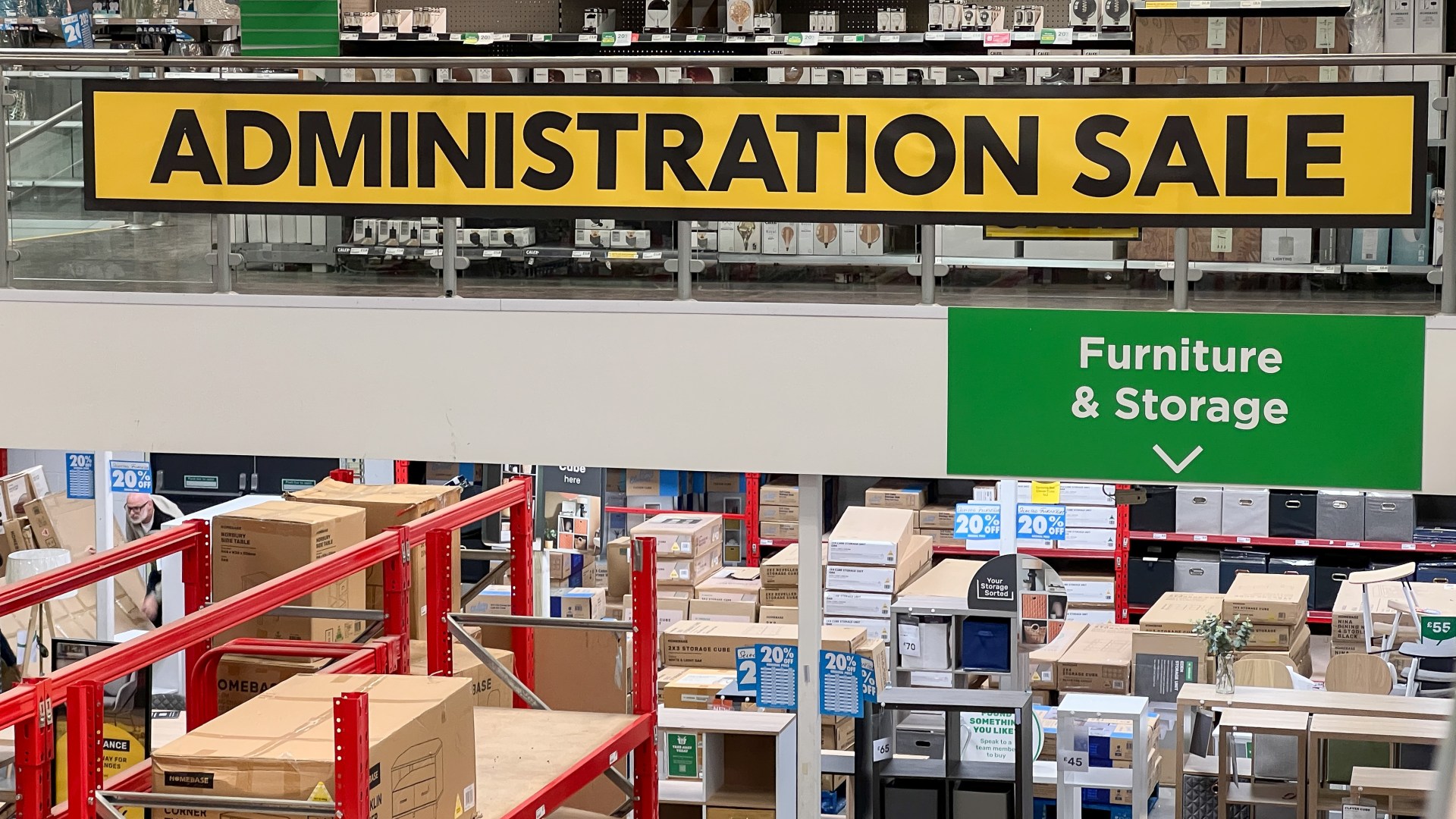
The UK retail landscape is experiencing significant upheaval, particularly in the home improvement sector, as evidenced by the ongoing struggles of Homebase. The once-prominent DIY chain, which has a history dating back to 1979, recently entered administration, marking a stark downturn in its fortunes. While a partial rescue by CDS Superstores, owner of The Range and Wilko, offered a glimmer of hope, the situation remains precarious. Closing down sales have proliferated, extending beyond the initially listed stores slated for closure, raising concerns about the true extent of the company’s downsizing. This ambiguity surrounding the fate of individual Homebase stores highlights the challenges facing the company and the broader DIY market.
The timeline of Homebase’s decline reveals a series of ownership changes and financial difficulties. Founded by Sainsbury’s and GB-Inno-BM, the chain experienced significant growth throughout the 1980s and 90s. However, a series of acquisitions, including the purchase of Texas Homecare and subsequent ownership transitions to Home Retail Group and Australian retailer Wesfarmers, proved challenging. Wesfarmers’ tenure was particularly turbulent, marked by substantial losses, culminating in the sale of Homebase to Hilco Capital for a fraction of its purchase price. Hilco’s ownership, while initially aimed at revitalizing the brand, ultimately led to further store closures and the eventual administration process. This history of ownership changes and financial instability underscores the difficulties inherent in adapting to a rapidly changing retail market.
The uncertainty surrounding CDS Superstores’ rescue deal further complicates the picture. While the buyout ostensibly aimed to save up to 70 stores and thousands of jobs, the precise number of locations remaining under the Homebase banner remains unclear. The emergence of closing down sales at stores not originally listed for sale adds to the confusion and raises questions about the viability of the rescue plan. Although CDS has committed to maintaining the Homebase brand online and eventually converting acquired stores into The Range outlets, the immediate future of many brick-and-mortar locations hangs in the balance.
The struggles of Homebase are not isolated but rather reflect broader challenges facing the DIY sector. Several factors contribute to this downturn, including changing consumer spending habits, fluctuations in the housing market, and increased competition. The post-pandemic economic landscape has seen consumers tighten their belts, reducing discretionary spending on home improvement projects. Simultaneously, a cooling housing market has dampened enthusiasm for renovations and DIY endeavors. These macroeconomic trends, coupled with intensifying competition from online retailers and other DIY chains, have created a challenging operating environment for businesses like Homebase.
The ripple effects of these difficulties extend beyond Homebase, impacting other players in the home improvement sector. Kingfisher, owner of B&Q and Screwfix, has reported declining profits, reflecting the broader industry slowdown. Other companies, such as Everest, Safestyle, and Carpetright, have faced even more dire consequences, including administrations and store closures. These struggles highlight the vulnerability of businesses in the face of changing market dynamics and economic headwinds. Even well-established brands are not immune to the pressures of a competitive and evolving retail landscape.
The future of the DIY sector remains uncertain. While some businesses may adapt and thrive, others may struggle to survive in the face of these ongoing challenges. The consolidation of brands, as seen with CDS Superstores’ acquisition of Homebase and Wilko, may become increasingly common. The ability to adapt to changing consumer preferences, embrace online retail strategies, and offer competitive pricing will be crucial for survival. The landscape of the DIY market is undergoing a significant transformation, and only time will tell which businesses will emerge as the winners in this new era.