

The Original Factory Shop (TOFS), a long-standing discount retailer on the British high street, is facing an uncertain future, struggling to secure a buyer despite its widespread presence with 187 stores across the UK. Strategic advisory firm Teneo has been engaged to explore all available options, ranging from another attempt to sell the chain to potential store closures or a company restructuring. While the retailer emphasizes its commitment to offering value and its expectation of strong performance during the Christmas period, the involvement of Teneo suggests a deeper underlying challenge. The company’s official statement acknowledges the ongoing review of its strategic options, a common practice in the retail sector, but in this case, it carries a heavier weight given the previous unsuccessful attempt to sell the business in 2022. This precarious situation underscores the difficulties faced by traditional brick-and-mortar retailers in the evolving landscape of online shopping and shifting consumer behavior.
The current owners, Duke Street Capital, who acquired TOFS in 2007, have been trying to divest the business. The previous attempt to find a buyer through Deloitte last year proved unsuccessful, highlighting the challenges in attracting investment despite TOFS’s long history and established customer base. This is particularly striking given the chain’s valuation of over £100 million in 2013, contrasted with the more recent financial results showing a decline in both revenue and profits, culminating in a pre-tax loss of £286,000 for the year ending March 2023. This downturn contrasts sharply with the success of other discount retailers like B&M and Home Bargains, which have thrived amidst the cost-of-living crisis, suggesting that TOFS is facing specific challenges in adapting to the current economic climate and consumer preferences.
The company’s history, spanning over five decades, began with the sale of surplus soap from Peter Black’s factory in Keighley in 1969. Over time, TOFS expanded its product offerings to include clothing, homeware, beauty products, toys, and more, establishing itself as a provider of well-known brands at discounted prices. The steady growth saw the chain reach 185 stores by 2011, necessitating the expansion of its headquarters and warehouse in Burnley. However, the retail landscape has shifted significantly since then, forcing TOFS to adapt through store closures and openings. While the company has closed 10 stores in the past year, it has also opened 27 new locations since August 2023 and plans to continue its “store transformation” programme, indicating a strategic effort to reposition itself in the market.
The challenges faced by TOFS are emblematic of the broader struggles within the UK retail sector. The rise of online retail, coupled with high energy costs and business rates, has created a difficult operating environment for traditional brick-and-mortar stores. Many retailers have been forced to close stores to cut costs, while consumers increasingly embrace second-hand platforms like Vinted and eBay, further intensifying the competition. Several well-known brands, including Wilko and Paperchase, have fallen into administration, highlighting the fragility of the high street. Even Homebase, despite its eventual sale to retail group CDS, initially entered administration, demonstrating the widespread vulnerability of even established retail chains.
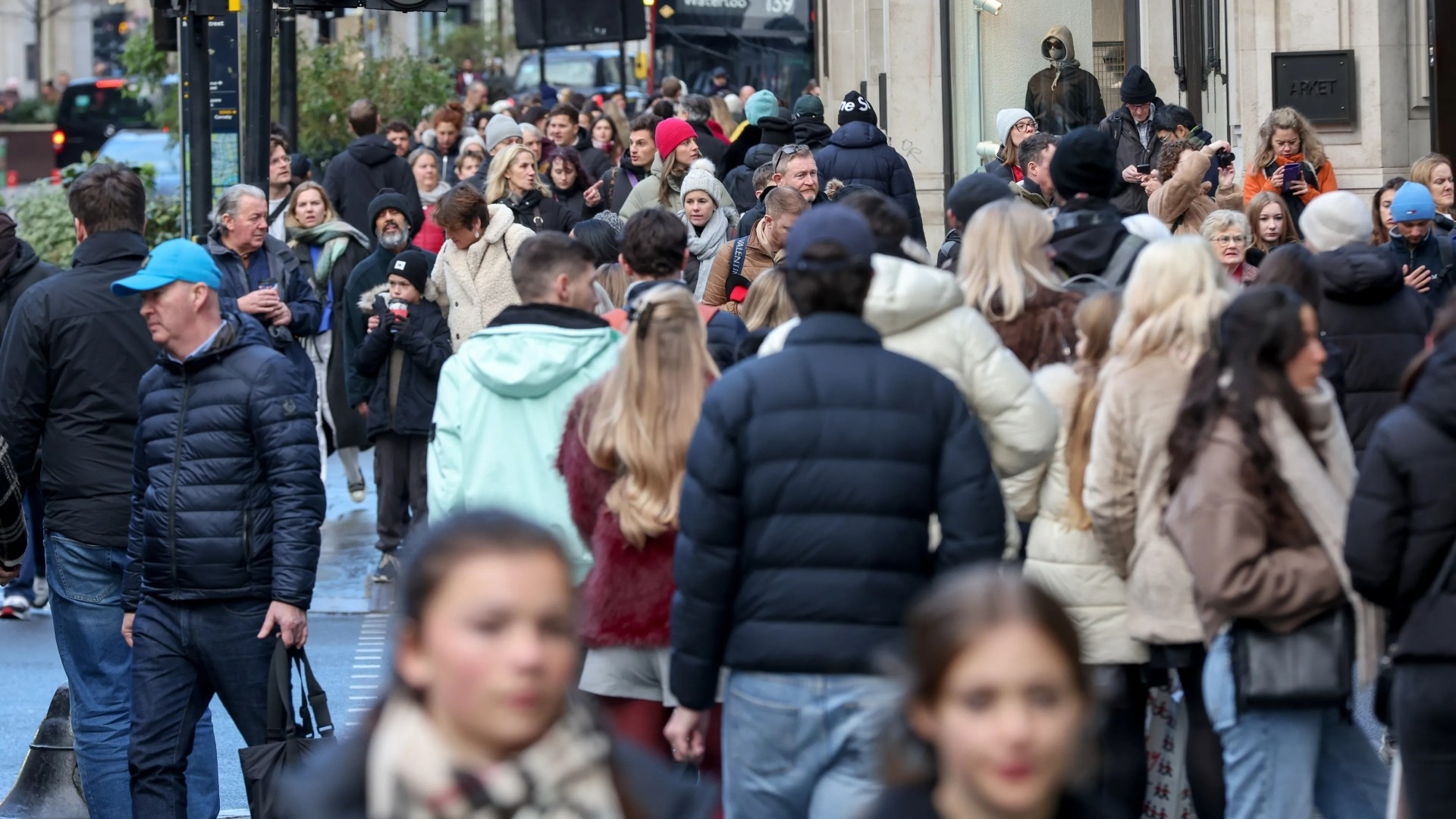
The closure of high street stores has a cascading effect, contributing to a decline in footfall and impacting other businesses in the area. The shift towards retail parks, offering free and convenient parking, further exacerbates the challenges faced by high street retailers, who are often burdened by high parking charges imposed by local councils. This has led retailers like Next and Marks & Spencer to strategically relocate stores from high streets to retail parks, prioritizing locations with higher foot traffic and lower operating costs. The closure of a major store often leads to a decrease in overall footfall, putting other businesses in the area at risk. This cycle of decline is a significant concern for town centers across the UK.
The underlying reasons for store closures are multifaceted, but the rise of online shopping is a key factor. Declining in-store sales and rising staff costs make it increasingly difficult for physical stores to remain profitable. Retailers often close stores in declining areas and relocate to better-performing locations, such as retail parks, to optimize their operations and cater to changing consumer preferences. The acquisition of intellectual property rights by rival retailers or private equity firms following a company’s collapse is also a common occurrence, allowing them to capitalize on brand recognition and sell products online, sometimes with a limited number of physical stores. This shift reflects the changing dynamics of the retail industry, where online presence is becoming increasingly crucial for survival.