


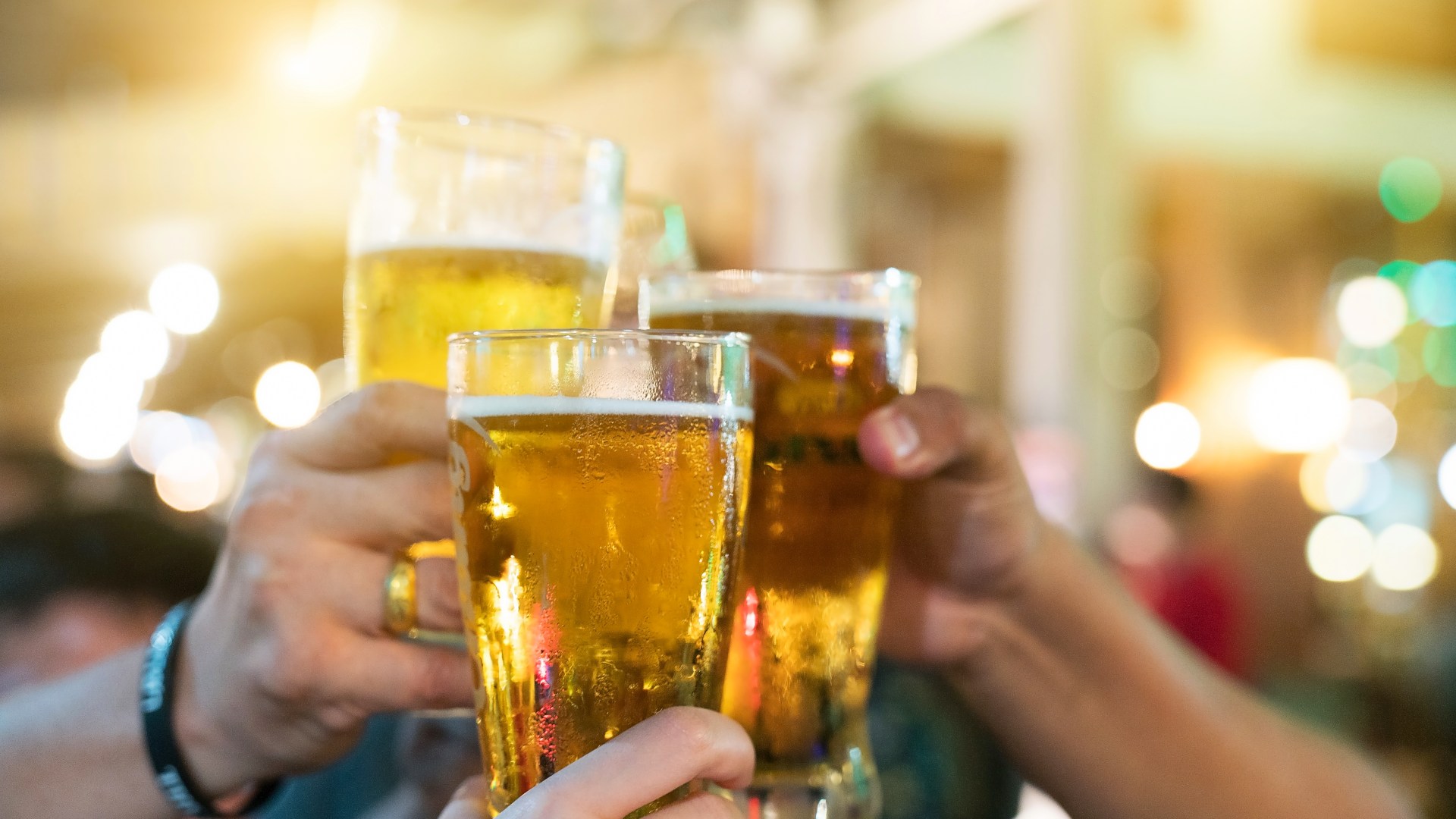
The beer industry has undergone a significant shake-up this year, witnessing the discontinuation of numerous beloved brews, leaving beer enthusiasts dismayed. Major breweries, including Carlsberg Marston’s Brewing Company (CMBC) and Fuller’s, have culled several brands from their portfolios, citing various reasons from shifting consumer preferences to cost-cutting measures. These decisions have sparked outrage among loyal customers and advocacy groups like the Campaign for Real Ale (CAMRA), who argue that these changes prioritize profits over preserving brewing heritage and consumer choice.
CMBC’s decision to discontinue eight classic cask beers, including Banks’s Mild, Bombardier, and Marston’s Old Empire, has drawn particular criticism. CAMRA condemned the move as indicative of a larger trend of global conglomerates prioritizing financial gains over traditional brewing practices, potentially leading to less diversity in available beers and fewer opportunities for smaller, independent breweries. While CMBC has not explicitly stated its rationale, the discontinuation has fuelled speculation that the move is primarily driven by cost-cutting measures. Consumers have expressed their disappointment on social media, with some vowing to boycott the company. The beers are expected to disappear from shelves by the end of December, leaving a void in the cask ale market.
Heineken’s Sliver, a 4% ABV lager introduced in 2022 and aimed at the “lighter drinking” market, has also reportedly been pulled from supermarket shelves. While still advertised on Heineken’s website, its absence from major retailers like Tesco and Asda suggests its future is uncertain. The beer received mixed reviews during its brief stint, with some praising its refreshing qualities while others criticized its taste. Heineken has yet to officially confirm the discontinuation or provide further details on its plans for the product.
Fuller’s, a prominent brewery and pub chain, has discontinued its popular Bengal Lancer India Pale Ale. The move was met with disappointment from fans who appreciated the beer’s distinct flavor profile. While Fuller’s has not explicitly stated its reasoning, the discontinuation suggests a strategic shift in their product offerings. The beer is still available through select retailers, but its absence from Fuller’s pubs and widespread retail channels marks the end of an era for this beloved IPA.
The discontinuation of these beers forms part of a larger trend in the beverage industry, where companies are increasingly reformulating or axing products due to various factors. Changing consumer preferences, government regulations like the “sugar tax,” and rising production costs often necessitate adjustments to recipes or the removal of products altogether. These decisions can be driven by the need to adapt to evolving market demands, comply with regulations, or maintain profitability in the face of economic pressures.
Examples of such changes abound: Carling Premier has been discontinued in cans, Guinness Cold Brew Coffee Beer was axed just 18 months after its launch, and Heineken reduced the alcohol content of John Smiths Extra Smooth. Carlsberg also lowered the ABV of its pilsner last year, highlighting a trend towards lower-alcohol beverages. These changes are often attributed to health concerns and evolving consumer preferences, though cost considerations likely play a role. An investigation by The Sun revealed that alcohol levels in some supermarket wines have been reduced without a corresponding price decrease, further suggesting that cost-saving measures are a factor.
In conclusion, the beer industry is in a state of flux, with breweries continuously adapting to a dynamic market landscape. Discontinuations, reformulations, and ABV adjustments are becoming increasingly common as companies grapple with evolving consumer demand, regulatory changes, and economic pressures. These changes, while sometimes driven by genuine attempts to cater to changing tastes or promote responsible drinking, can also be motivated by cost-cutting strategies, raising concerns about the preservation of brewing heritage and consumer choice. The discontinuation of beloved beers like those mentioned above underscores the challenges faced by both consumers and the industry alike.