


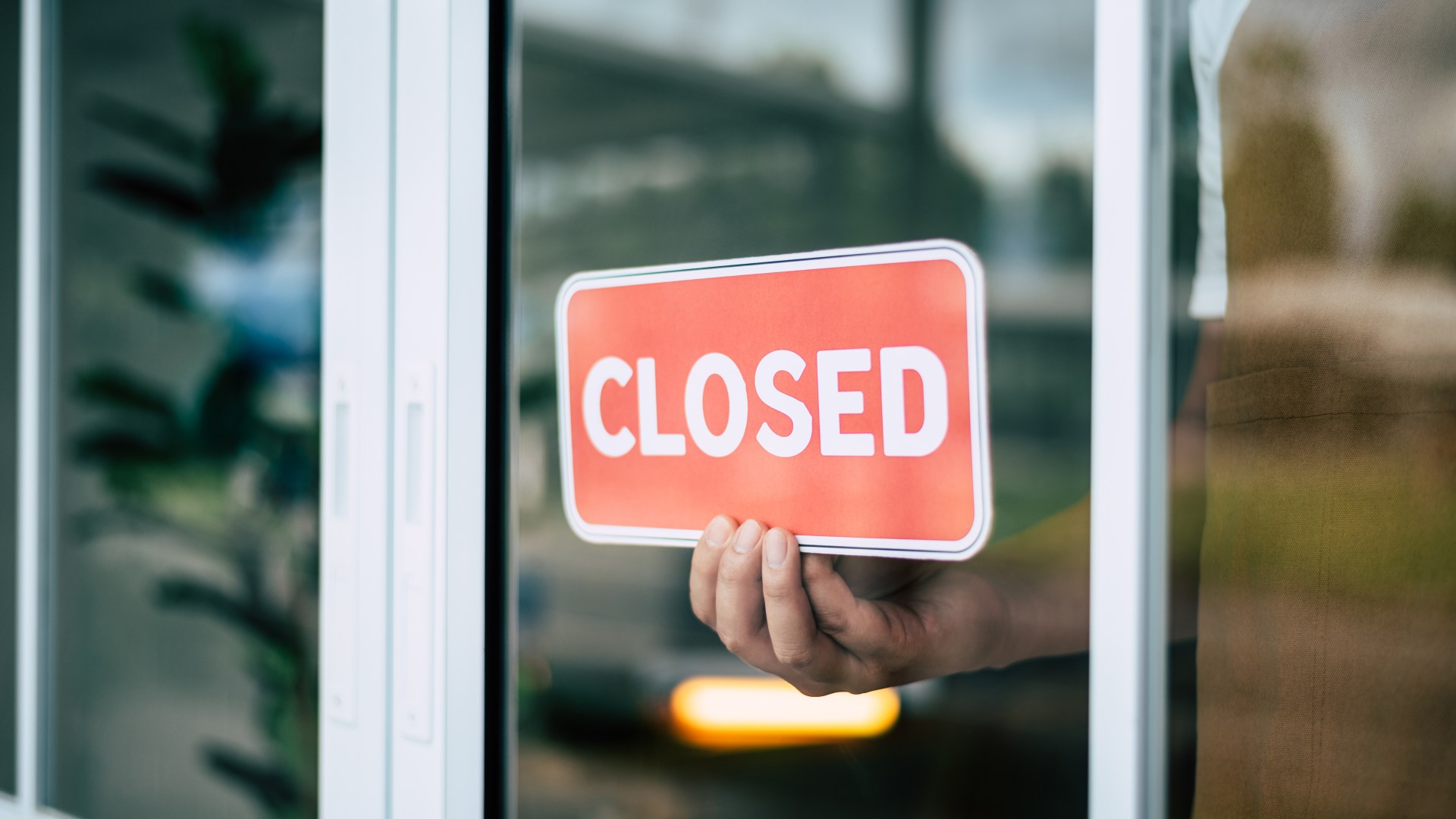
The impending closure of the Dobbies Garden Centre in Altrincham, Greater Manchester, scheduled for December 17, 2023, has sparked disappointment and concern among local residents. This closure is part of a larger restructuring plan by Dobbies, which will see ten stores across the UK shuttered in the coming weeks. The Altrincham branch holds sentimental value for many, with some expressing fond memories of past employment and others lamenting the loss of another local business. This closure follows a trend of retail departures from the area, including the short-lived Poundland store that took over the former Wilko site, only to close after eight months. The dwindling retail landscape leaves residents wondering about the future of their local shopping options.
The Altrincham Dobbies closure is not an isolated incident. A wave of closures is hitting Dobbies stores nationwide, with locations in Gloucester, Gosforth, Harlestone Heath, Huntingdon, Inverness, King’s Lynn, Pennine, Reading, and Stratford-upon-Avon also slated for closure throughout December and into the new year. This follows the closure of six smaller “Little Dobbies” locations in November, indicating a significant downsizing effort by the company. While Dobbies will continue to operate approximately 60 stores across the UK, the widespread closures reflect the challenging conditions facing the retail sector.
The struggles faced by Dobbies and other retailers are symptomatic of broader economic pressures impacting the UK high street. High inflation and the resulting squeeze on consumer spending have left many households with less disposable income for non-essential purchases. The rise of online shopping has further exacerbated the situation, as consumers increasingly opt for the convenience of digital marketplaces over brick-and-mortar stores. This shift in consumer behaviour has contributed to the demise of several well-known brands, highlighting the ongoing challenges faced by traditional retailers.
The current retail downturn is attributed to a confluence of factors, including the lingering effects of the pandemic, the cost-of-living crisis, and the evolving landscape of consumer behaviour. The pandemic disrupted supply chains, increased operating costs, and accelerated the shift towards online shopping. The subsequent cost-of-living crisis, driven by soaring energy prices and inflation, further constrained consumer spending, forcing many households to prioritize essential purchases. This combination of factors has created a challenging environment for retailers, particularly those with a significant physical presence on the high street.
The challenges facing the retail sector are not limited to individual businesses; they represent a systemic issue impacting the broader economy. The Centre for Retail Research reported over 10,000 shop closures and nearly 120,000 job losses in the retail sector during 2023. While this represents a slight improvement compared to the previous year, it underscores the ongoing difficulties faced by the industry. The closure of prominent retailers like Wilko, Paperchase, and Cath Kidston highlights the vulnerability of even established brands in the current economic climate. Experts predict further closures in the coming year as businesses grapple with rising costs and reduced consumer spending.
The struggles of the retail sector highlight the need for adaptation and innovation in the face of changing consumer behaviours and economic pressures. While the convenience and cost-effectiveness of online shopping continue to draw consumers away from traditional brick-and-mortar stores, retailers must find ways to enhance the in-store experience and offer unique value propositions to attract and retain customers. This may involve incorporating digital technologies into the physical shopping experience, offering personalized services, and creating community-focused spaces that go beyond mere transactions. The future of the high street likely rests on the ability of retailers to adapt and evolve in this dynamic environment.