


Protecting Your Boiler During Winter:
Winter’s harsh conditions, marked by increased boiler usage and plummeting temperatures, can put a significant strain on your heating system. The cold can cause boiler components to contract, increasing the risk of malfunctions and breakdowns. One particular vulnerability lies in the boiler pipes, which are susceptible to freezing. Frozen pipes not only disrupt hot water and central heating but can also lead to costly repairs, ranging from £150 to £600, for cracked or burst pipes. However, a simple and cost-effective solution can mitigate this risk: pipe lagging wrap.
Pipe lagging wrap, readily available at most DIY and hardware stores, acts as insulation, preventing heat loss and protecting pipes from freezing. This affordable material, available in various forms including polyethene foam, wool, and fibreglass, can be easily wrapped around exposed pipes. This preventative measure offers year-round protection, safeguarding against unexpected freezing incidents and potential damage. The small investment in pipe lagging wrap can save significant expense and inconvenience down the line.
While pipe lagging wrap offers preventative protection, sometimes pipes may freeze despite these measures. If this happens, pouring warm (not boiling) water over the affected pipes can help thaw them. A hot water bottle applied to the frozen area can also provide a gentle and gradual thawing effect. However, if you suspect a boiler malfunction, it is crucial to contact a qualified Gas Safe registered engineer immediately. Attempting to fix boiler issues yourself can be dangerous and exacerbate the problem. The Gas Safe Register website provides a searchable database to find qualified engineers in your area. It’s recommended to obtain quotes from multiple engineers before making a decision and to check their references. Building a relationship with a trusted engineer before an emergency arises can also be beneficial.
Further Steps to Protect Your Boiler and Save Money:
Beyond pipe lagging, other proactive measures can help maintain your boiler’s efficiency and prevent issues. Optimizing your thermostat settings is key. While it’s tempting to increase the temperature during cold spells, maintaining a thermostat setting between 18°C and 21°C can significantly reduce energy consumption. Lowering the temperature by just one degree can save an average household around £115 annually. Regularly checking the boiler pressure is also essential. Low pressure can hinder heating and hot water supply. The pressure gauge on your boiler should ideally read between 1 and 1.5 bar. If it falls below 1 bar, repressurization is needed. Bleeding radiators is another important step. Trapped air in the system can reduce radiator efficiency. Cold spots near the top of a radiator indicate trapped air, which can be released using a radiator key.
Financial Assistance for Boiler Replacements:
Replacing a boiler can be a substantial expense, typically ranging from £1,000 to £3,500 depending on the model. Even repairs can cost between £100 and £500. Fortunately, financial assistance is available for eligible households. The Boiler Upgrade Scheme, a government initiative, provides grants to help homeowners replace fossil fuel heating systems with eco-friendly alternatives. To qualify for this scheme, you must own the property and use an MCS-certified installer. The MCS (Microgeneration Certification Scheme) ensures the quality and competence of installers of renewable energy technologies. You can find certified installers on the MCS website.
Expert Tips for Boiler Maintenance:
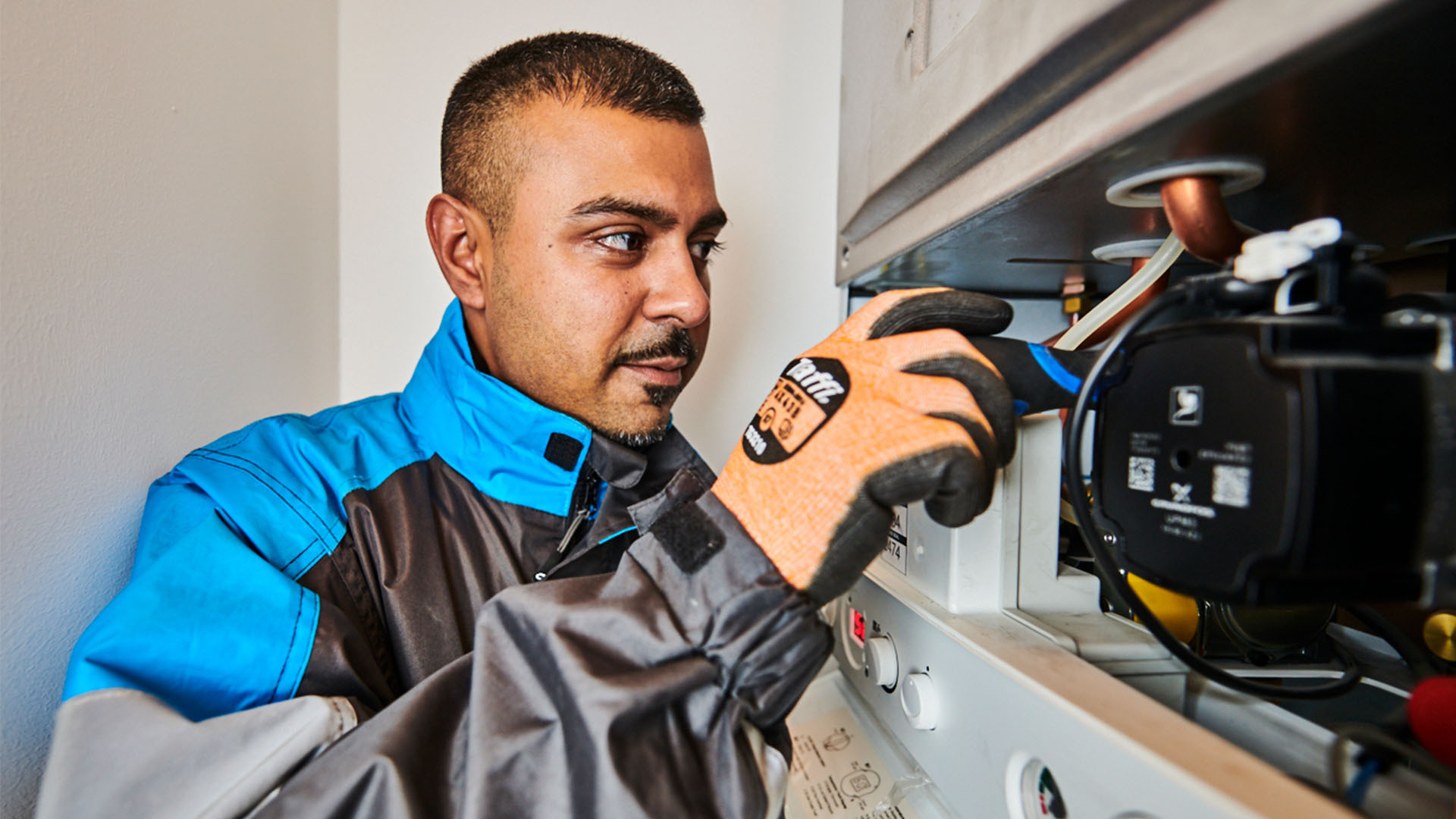
British Gas engineer Sunny Solanki offers additional advice for preparing your home’s heating system for winter and minimizing the risk of breakdowns. He emphasizes the importance of thermostat optimization, boiler pressure checks, and bleeding radiators. These simple steps can significantly improve efficiency and prevent potential problems. Regular maintenance and proactive checks are vital for keeping your boiler running smoothly throughout winter.
In Summary:
Protecting your boiler during winter requires a multi-faceted approach. Pipe lagging wrap provides a cost-effective solution to prevent frozen pipes, a common winter woe. Furthermore, optimizing thermostat settings, checking boiler pressure, and bleeding radiators can enhance efficiency and prevent issues. Should problems arise, contacting a Gas Safe registered engineer is paramount. For those considering replacing their boiler, government grants like the Boiler Upgrade Scheme can provide financial assistance. By taking these proactive measures, homeowners can ensure a warm and comfortable winter while minimizing the risk of costly boiler breakdowns.