


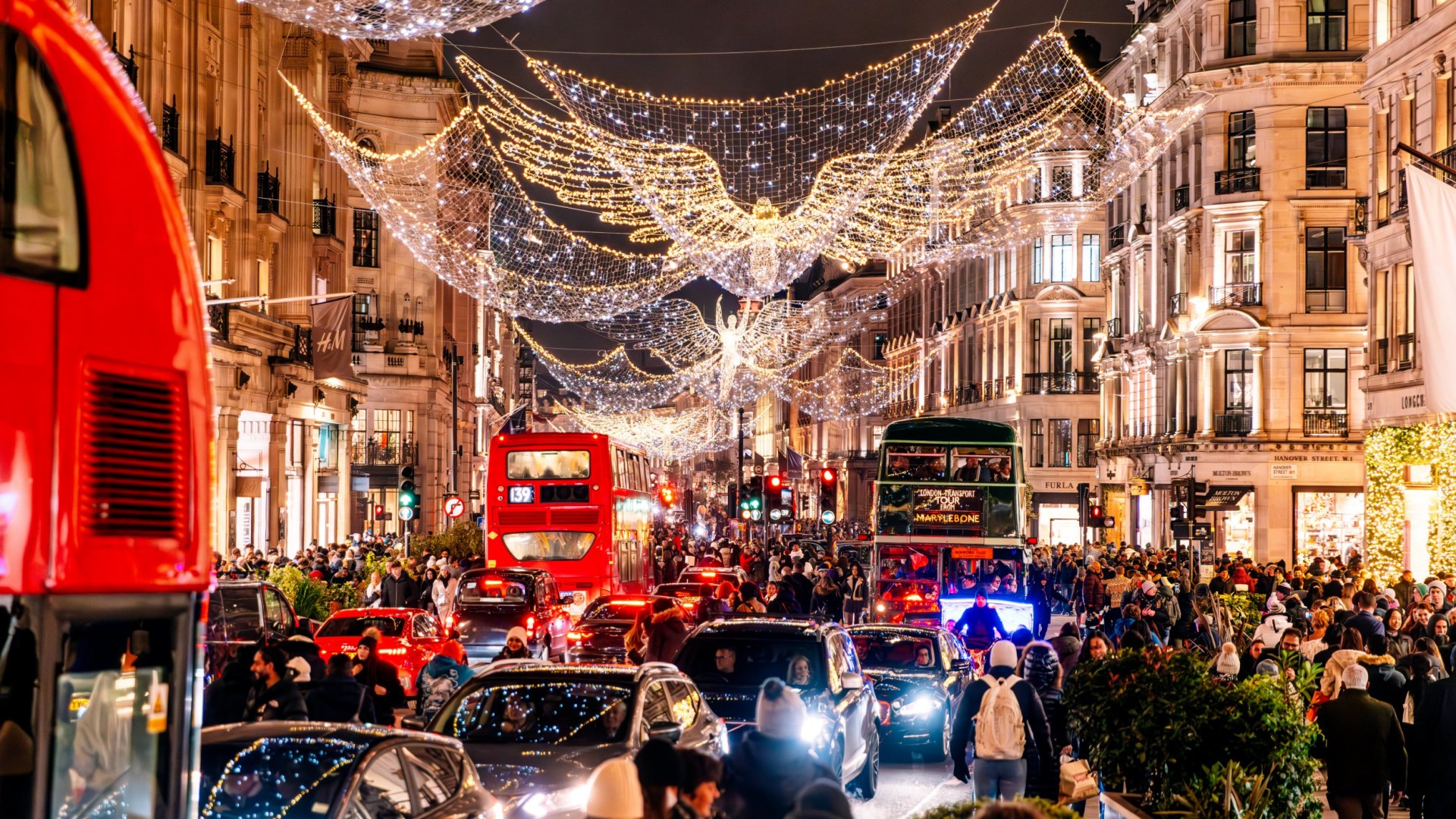
The final weekend before Christmas is poised to be a retail frenzy, with shoppers projected to spend a staggering £3 billion on last-minute gifts, marking a significant surge in spending compared to the previous year. This surge is driven by an estimated 28% of consumers who habitually postpone their Christmas shopping until the eleventh hour, creating a concentrated burst of activity in both physical stores and online marketplaces. Dubbed “Super Saturday,” the Saturday before Christmas is anticipated to be the peak of this shopping spree, with 21.2 million shoppers expected to shell out £1.53 billion, a substantial 11.7% increase from last year’s figures. This underlines the enduring appeal of brick-and-mortar stores during the festive season, despite the growing prevalence of online shopping.
Interestingly, the closer Christmas draws, the more shoppers gravitate towards physical stores, driven by anxieties about online deliveries arriving on time. This shift in consumer behavior is reflected in the projected figures for Super Saturday, with £1.11 billion anticipated to be spent in physical stores, dwarfing the £420 million projected for online purchases. This trend continues into Sunday, referred to as “Stampede Sunday,” where an estimated 13.6 million shoppers are expected to throng high streets and shopping malls, generating £1.14 billion in in-store sales, compared to £380 million spent online. This preference for physical stores during the final days before Christmas underscores the tangible reassurance shoppers seek amidst the uncertainties of online deliveries during a peak demand period.
The surge in last-minute shopping is not limited to gifts. Supermarkets are also bracing for their busiest day on the Monday before Christmas, as consumers rush to stock up on festive food and provisions. This reflects the traditional emphasis on family gatherings and celebratory meals during the Christmas period, driving a significant increase in grocery shopping in the days immediately preceding the holiday. The combined effect of last-minute gift buying and food shopping creates a powerful economic momentum in the retail sector during the final days before Christmas.
This pre-Christmas spending spree offers a crucial lifeline for retailers, many of whom have been grappling with a challenging economic climate and weakened consumer confidence throughout the year. The concentrated burst of spending provides a much-needed boost to sales figures and helps to offset the impact of economic uncertainties on consumer spending patterns. Recognizing the prevailing economic anxieties, numerous retailers have proactively launched pre-Christmas discount promotions to entice shoppers and stimulate sales. Retail brands like M&Co, New Look, and Quiz are already offering discounts of up to 70%, reflecting the competitive landscape and the need to attract price-conscious consumers during this crucial period.
Despite the cautious economic outlook, analysts predict a robust pre-Christmas sales performance. The combination of last-minute shoppers and attractive discounts is expected to drive significant spending, indicating that consumers, while mindful of their budgets, are still prioritizing Christmas spending. This suggests a resilience in consumer spending specifically related to the festive season, even in the face of broader economic concerns. The willingness of consumers to spend during this period underscores the cultural significance of Christmas and the enduring importance of gift-giving and celebratory gatherings.
In conclusion, the final weekend leading up to Christmas is shaping up to be a pivotal period for retailers, with a projected £3 billion in sales driven by a combination of last-minute shoppers, attractive discounts, and the traditional emphasis on festive celebrations. This concentrated burst of spending offers a vital injection of revenue for retailers and highlights the enduring importance of Christmas as a key driver of consumer spending, even amidst economic uncertainties. The resilience of Christmas spending underscores the deep-rooted cultural significance of the holiday and its associated traditions of gift-giving and family gatherings.