


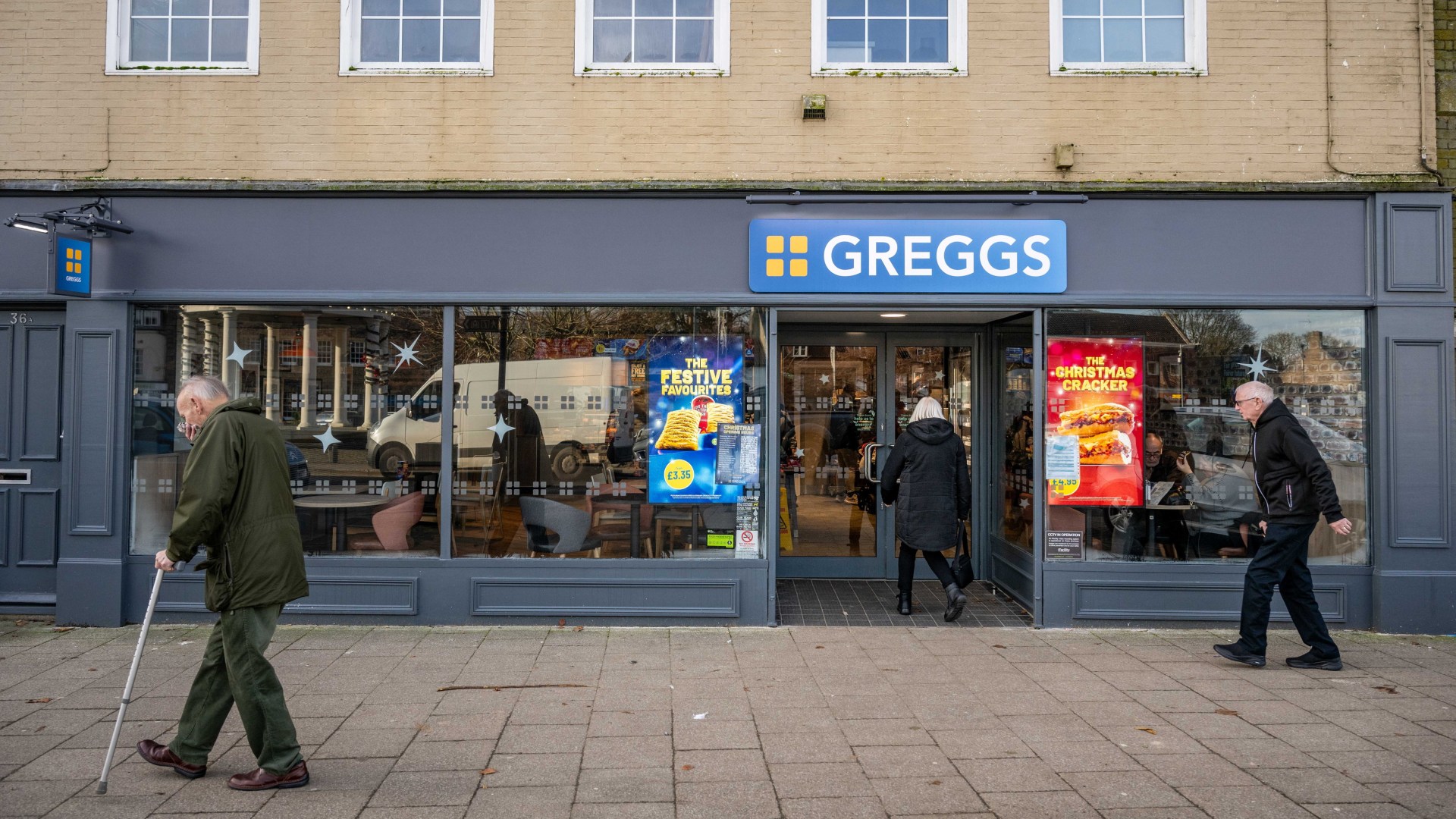
The arrival of a Greggs bakery in the affluent town of Swaffham, Norfolk, has ignited a heated debate among residents, dividing the community into fervent supporters and staunch opponents. The controversy centers around the potential impact of the chain store on the town’s historic high street and its existing businesses, particularly the well-established independent bakery, Wellbread Bakers.
Over 1,000 Swaffham residents signed a petition opposing the Greggs opening, expressing concerns about the chain’s potential to undermine the character of the Georgian high street and drive out local businesses. The petitioners, many of whom are loyal customers of Wellbread Bakers, feared the competition from Greggs could be devastating for the family-run bakery located just a short distance away. Their concerns escalated when Greggs opened its doors last month without securing planning permission, fueling hopes that the local council would intervene. However, Breckland Council ultimately granted retrospective planning permission, solidifying Greggs’ presence in the town.
While the opening of Greggs required no specific planning permission for its operation within the vacant unit, the company did seek approval for external modifications such as signage, an air conditioning system, and outdoor seating. The council confirmed that planning permission was indeed required and obtained for the signage. The unit previously housed a budget furniture store, QD Furniture, which left a vacancy Greggs readily filled.
The petition opposing Greggs was spearheaded by a regular customer of Wellbread Bakers, reflecting the deep loyalty many residents hold for the established local business. Emma Godfrey, co-owner of Wellbread Bakers, expressed anxieties about the potential for layoffs if their business suffers from a decline in foot traffic and revenue due to competition from Greggs. She emphasized the fragility of their current financial situation, stating they were making “just enough to keep going.” Godfrey also voiced concerns about the wider impact on Swaffham’s independent businesses, particularly smaller coffee shops, fearing the appeal of Greggs might draw customers away from these “hidden gems.”
Despite the opposition, a segment of the community welcomes the arrival of Greggs, citing the benefits of “healthy competition” and affordable food options. Some residents argue that the presence of a well-known chain like Greggs could attract more visitors to the town, ultimately benefiting all businesses. They maintain that a successful local business should not fear competition and that consumer choice is paramount. Furthermore, they highlight the value proposition Greggs offers, particularly for those seeking budget-friendly meals and snacks.
This divide in opinion is exemplified by the contrasting perspectives of Swaffham residents. Helen Lepoidevin, a staunch supporter of Wellbread Bakers and a signatory of the petition, expressed her disapproval of the new Greggs, stating her intention to avoid the establishment altogether. She fears that Greggs will dominate the local market and ultimately lead to the closure of cherished local businesses like Wellbread. Conversely, Leo Windsor, a younger resident, welcomes Greggs as a positive addition to the town, believing competition is beneficial for both businesses and consumers. Similarly, Frances Sampson, another resident, praised the quality and affordability of Greggs’ offerings, emphasizing the importance of competition in the marketplace. She highlighted the value Greggs offers compared to more expensive options like Costa Coffee. This stark contrast in opinions underscores the complexity of the situation and the varying priorities within the Swaffham community.
The debate surrounding the arrival of Greggs in Swaffham highlights broader issues facing small towns across the UK. The influx of chain stores often sparks concerns about the erosion of local character and the displacement of independent businesses. While some argue that chain stores offer greater choice and affordability for consumers, others lament the homogenization of high streets and the loss of unique, locally owned businesses that contribute to the distinct identity of a town. The case of Swaffham serves as a microcosm of this larger national conversation, reflecting the tensions between economic development, consumer preferences, and the preservation of local heritage.