


A. The Closure of The Closet at Harker
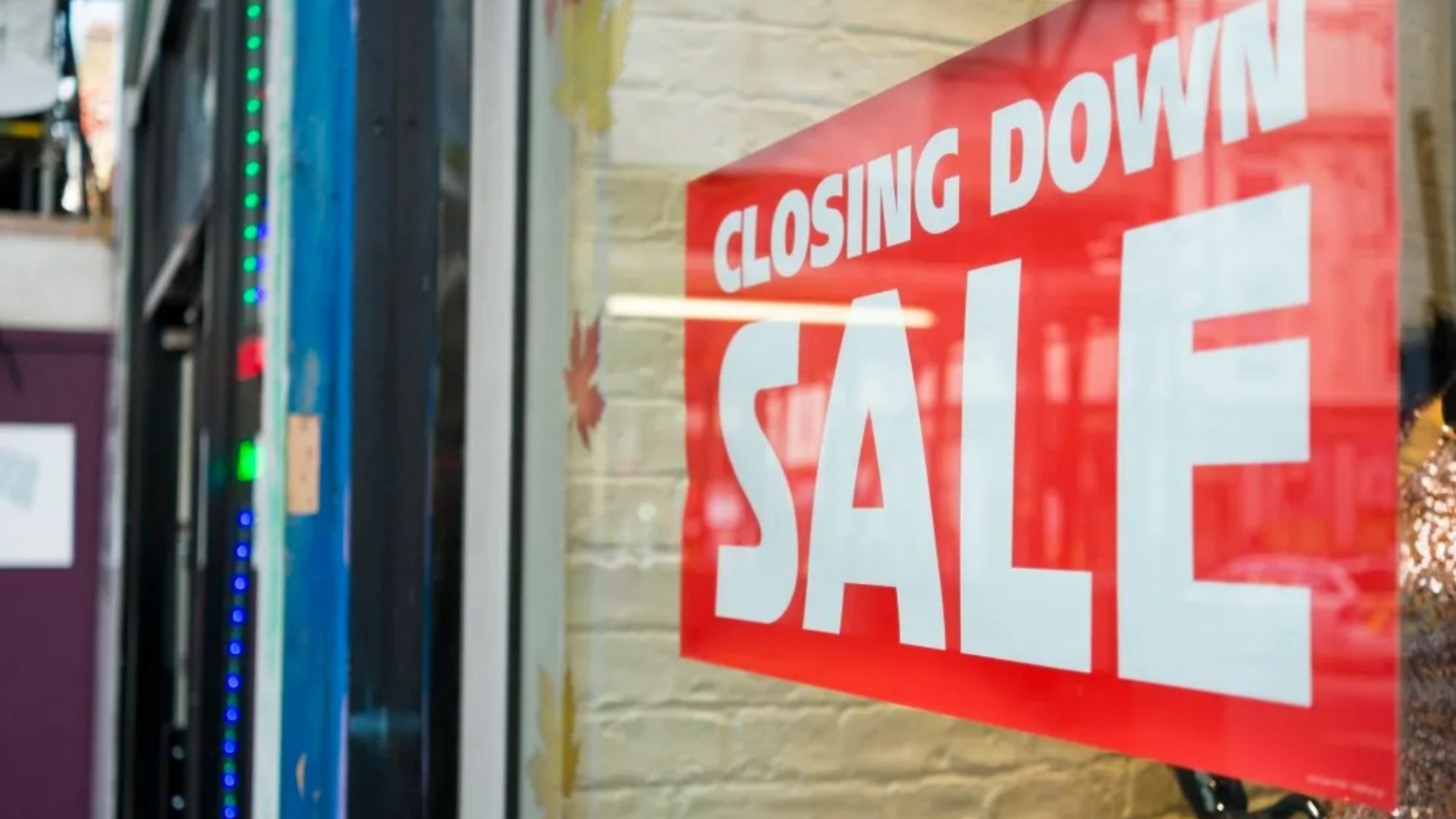
The Closet at Harker, a boutique women’s clothing store in Carlisle, has announced its closure after just five months of operation. Owners Debbie Armstrong and Kath Paterson shared the difficult decision on social media, citing insufficient revenue to cover rent and expenses as the primary reason. Despite their efforts to carve a niche in the market by offering a unique mix of pre-owned, new, and "nearly new" high-brand clothing, the store struggled to achieve profitability. The owners expressed gratitude to their loyal customers and announced significant discounts on remaining inventory until Christmas. They urged customers to follow their Facebook page for updates on opening hours and requested that individuals with consigned items retrieve them before the store closes.
B. The Broader Retail Landscape
The closure of The Closet at Harker reflects the wider challenges faced by brick-and-mortar retailers in the current economic climate. The rise of online shopping, coupled with increasing operating costs and reduced consumer spending, has created a difficult environment for traditional retail businesses. Falling store sales and rising staff costs have squeezed profit margins, forcing many retailers to reconsider their physical presence. Ashley Armstrong, business editor of The Sun, highlights the trend of retailers relocating from struggling high streets to more profitable retail parks, where free parking and larger store formats attract more customers. This shift in consumer behavior can further exacerbate the decline of high streets, as the closure of anchor stores often leads to reduced footfall and a domino effect of further closures.
C. The Impact of Online Shopping and Retail Parks
The increasing popularity of online shopping has dramatically changed consumer habits, allowing shoppers to compare prices, access wider product selections, and enjoy the convenience of home delivery. This shift has put pressure on traditional retailers to adapt and compete, often requiring significant investments in e-commerce platforms and logistics. Simultaneously, the rise of retail parks has offered shoppers free parking and a more centralized shopping experience, often with a wider array of stores and amenities. This convenience has drawn customers away from high streets, which often face challenges with parking costs and accessibility. The combination of online shopping and the allure of retail parks has created significant headwinds for traditional high street retailers.
D. Restructuring and Closures in the Retail Sector
The retail sector has witnessed numerous restructurings and closures in recent times, reflecting the ongoing challenges and transformations in the industry. Several prominent retailers, including Wilko, Debenhams, Topshop, Dorothy Perkins, and Paperchase, have gone into administration, highlighting the vulnerability of even established brands. In many cases, the intellectual property rights of these companies have been acquired by rival retailers or private equity firms, who often prioritize online sales and maintain only a limited physical presence. This trend underscores the shift towards digital commerce and the diminishing role of traditional stores in many retail strategies. The restructuring and closures often result in job losses and contribute to the decline of high streets.
E. Economic Factors and Consumer Spending
High inflation and the squeeze on consumer finances have further compounded the challenges faced by retailers. With household budgets stretched, consumers are becoming more cautious about their spending, prioritizing essential purchases and cutting back on discretionary items. This reduced consumer spending directly impacts retail sales and contributes to the financial difficulties experienced by many businesses. The economic uncertainty and cost-of-living crisis have created a challenging environment for retailers, forcing them to adapt their strategies and seek ways to attract and retain customers in a competitive market.
F. The Future of the High Street
The future of the high street remains uncertain, with ongoing challenges and transformations shaping its landscape. The rise of online shopping, the popularity of retail parks, and economic pressures have created a difficult environment for traditional retailers. Successful high streets of the future may need to adapt by offering unique experiences, focusing on community engagement, and providing a diverse mix of services and businesses. The ability to adapt to changing consumer preferences and provide a compelling reason for shoppers to visit physical stores will be crucial for the long-term survival of the high street. The closure of The Closet at Harker serves as a reminder of the challenges faced by small businesses in particular, and underscores the need for ongoing innovation and adaptation in the retail sector.