



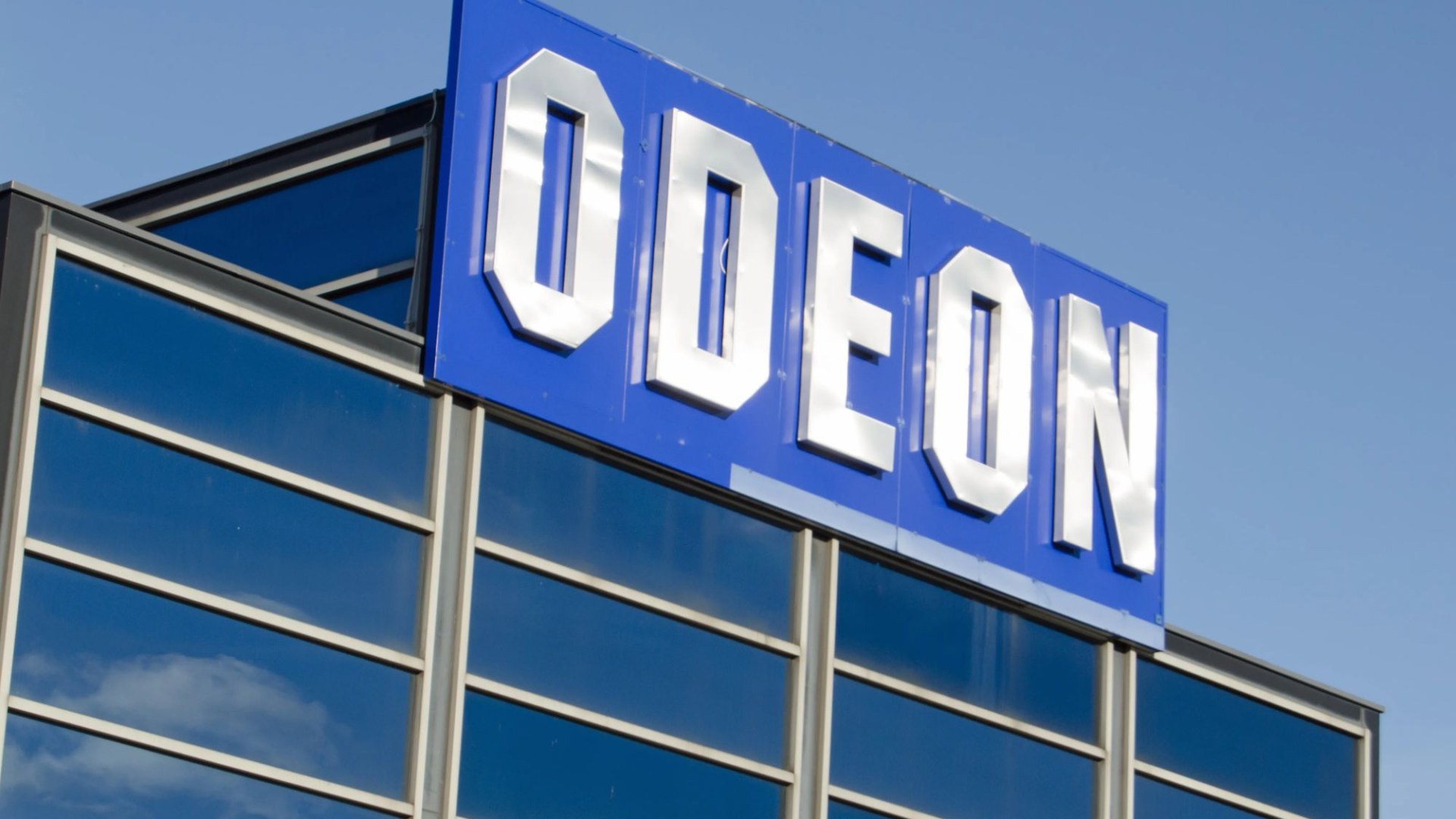
Odeon Price Hike and Cineworld Closures: A Shifting Landscape in British Cinema
The British cinema landscape is undergoing significant changes, with Odeon announcing a price hike for its myLIMITLESS subscription service and Cineworld continuing to grapple with financial challenges leading to further cinema closures. These developments reflect the evolving dynamics of the entertainment industry, impacted by factors such as the rising cost of living, changing consumer habits, and the lingering effects of the pandemic.
Odeon’s myLIMITLESS program, which offers unlimited movie viewings for a monthly fee, will see its price increase from £17.99 to £19.99 starting February 3, 2025. This represents a £2 monthly increase, or £24 annually. The company attributes the price hike to "ongoing improvements to the experience" and the need to "continue delivering exceptional value." While Odeon aims to justify the increase with promises of enhanced services, the move has sparked criticism among customers on social media, with some expressing frustration over the substantial percentage increase over the past two years. This price adjustment raises questions about the affordability of cinema experiences in an environment where consumers are increasingly sensitive to rising costs.
Meanwhile, Cineworld, one of Odeon’s primary competitors, faces a different set of challenges. The company recently announced the closure of six more UK locations: Castleford, Leigh, Middlesbrough, Northampton, Poole, and Weymouth. This decision follows a series of closures earlier this year and is part of an ongoing restructuring effort to address "unsustainable operating costs." While Cineworld has successfully negotiated rent reductions at many of its remaining locations, these six closures highlight the difficulties the chain faces in maintaining profitability. The impact on employment remains unclear, with Cineworld yet to disclose the number of jobs affected by these latest closures.
The contrasting fortunes of Odeon and Cineworld underscore the complexities of the current cinema market. While Odeon seeks to enhance its offering and adjust pricing to maintain profitability, Cineworld struggles to keep its doors open amidst financial pressures. These diverging paths reflect the broader challenges facing the cinema industry, including navigating the changing preferences of audiences and adapting to evolving entertainment consumption patterns.
The pandemic, with its enforced closures and shifts in consumer behavior, has played a significant role in the current landscape. Cineworld, in particular, was heavily impacted, leading to Chapter 11 bankruptcy proceedings in the US. While the company has emerged from bankruptcy, the lingering effects are evident in its ongoing financial struggles. The pandemic accelerated the adoption of streaming services and at-home entertainment, posing a serious challenge to traditional cinema chains.
The future of the cinema experience hinges on the industry’s ability to adapt and innovate. While the convenience and affordability of streaming services are appealing, the unique immersive experience of watching a film on the big screen retains its allure for many. Cinema chains must find ways to enhance this experience, offering premium services, innovative programming, and competitive pricing to attract audiences. The challenge lies in balancing these enhancements with affordability, ensuring that cinema remains accessible to a broad range of moviegoers. The success of initiatives like Odeon’s myLIMITLESS program, even with its price increase, suggests a demand for subscription-based models in cinema, offering potential solutions for both affordability and consistent revenue streams.
In conclusion, the British cinema landscape is in a state of flux. Odeon’s price increase, coupled with Cineworld’s continuing closures, paints a picture of an industry grappling with evolving consumer preferences, economic pressures, and the long-term consequences of the pandemic. The success of cinema chains will depend on their ability to adapt, innovate, and provide a compelling entertainment experience that justifies the cost in a competitive market. The evolving strategies of Odeon and the struggles of Cineworld serve as a microcosm of the wider challenges and opportunities facing the cinema industry in the years to come.