


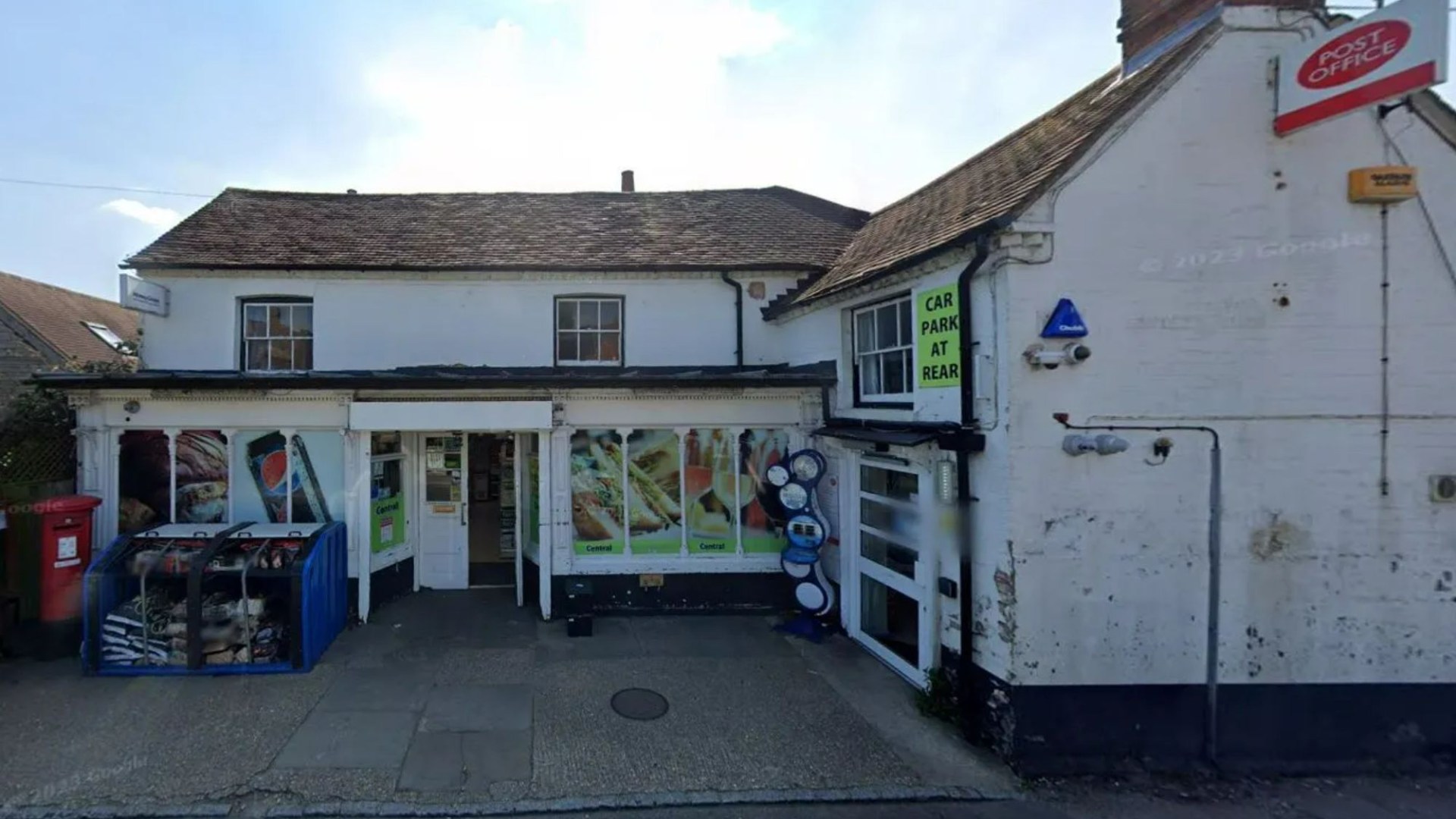
The closure of Hurst Village Shop, a cornerstone of the Hurst community for 110 years, marks a poignant end to an era. The shop, located just outside Reading, served as more than just a retail outlet; it acted as the village’s post office and a vital hub for local residents. Its final day of trading, December 14, 2024, was met with widespread sadness and nostalgia, reflecting the deep connection the shop held within the community. This closure comes merely 18 months after a community-led effort successfully staved off a previous threat of closure, highlighting the cyclical challenges faced by local businesses in a rapidly changing economic landscape.
The shop’s closure was announced by Louise Goodwin via social media, expressing regret for the inconvenience caused and gratitude for the unwavering support received over the years. The news resonated deeply within the community, sparking a wave of reminiscence and lament. Residents shared memories of their childhoods intertwined with the shop, highlighting its role as a central fixture in their lives. The prevailing sentiment echoed a broader concern about the fragility of local businesses and the potential domino effect of such closures on the community’s fabric. The loss of Hurst Village Shop signifies not just the closure of a business, but also the loss of a vital community resource.
In July 2023, Jayne Overington, the shop’s manager, had made an impassioned plea to the community to rally support for the struggling store. Facing an impending closure date of April 11, 2024, the community responded with remarkable unity, temporarily rescuing the shop from its fate. This temporary reprieve offered a glimmer of hope for the shop’s long-term survival, demonstrating the power of community action and the deep-seated desire to preserve local businesses. However, despite this initial success, the underlying challenges proved insurmountable, ultimately leading to the shop’s closure just months later.
The closure of Hurst Village Shop underscores a broader trend impacting high streets across the country. While there have been glimmers of hope for a high street revival driven by independent businesses, a confluence of economic challenges, including tax hikes and shifting consumer habits, has created a challenging environment for retailers. The Autumn Budget of 2024 has been cited as a significant contributing factor, with businesses warning of impending price increases as a direct consequence of the budgetary changes. This economic pressure has forced retailers to make difficult decisions, including store closures, job cuts, and price hikes, creating a ripple effect throughout the retail sector.
The rising cost of living, driven by inflation, has further exacerbated the struggles faced by high street businesses. Increased rents, energy costs, and product prices have squeezed profit margins, making it increasingly difficult for small businesses to remain viable. In addition to these challenges, business rates have been identified as a major burden, disproportionately impacting smaller businesses and adding to the already challenging economic climate. This confluence of factors creates a perfect storm for retailers, making it incredibly difficult to compete with larger chains and online retailers.
The shift in consumer behavior towards online shopping and retail parks has also played a significant role in the declining fortunes of high street businesses. The convenience and often lower prices offered by online platforms and larger retail spaces have drawn consumers away from traditional high streets, leaving smaller businesses struggling to compete. The closure of Hurst Village Shop exemplifies this broader shift, highlighting the challenges faced by traditional brick-and-mortar stores in the face of evolving consumer preferences. The loss of this community hub underscores the need for innovative solutions to revitalize high streets and support local businesses in adapting to the changing retail landscape.