


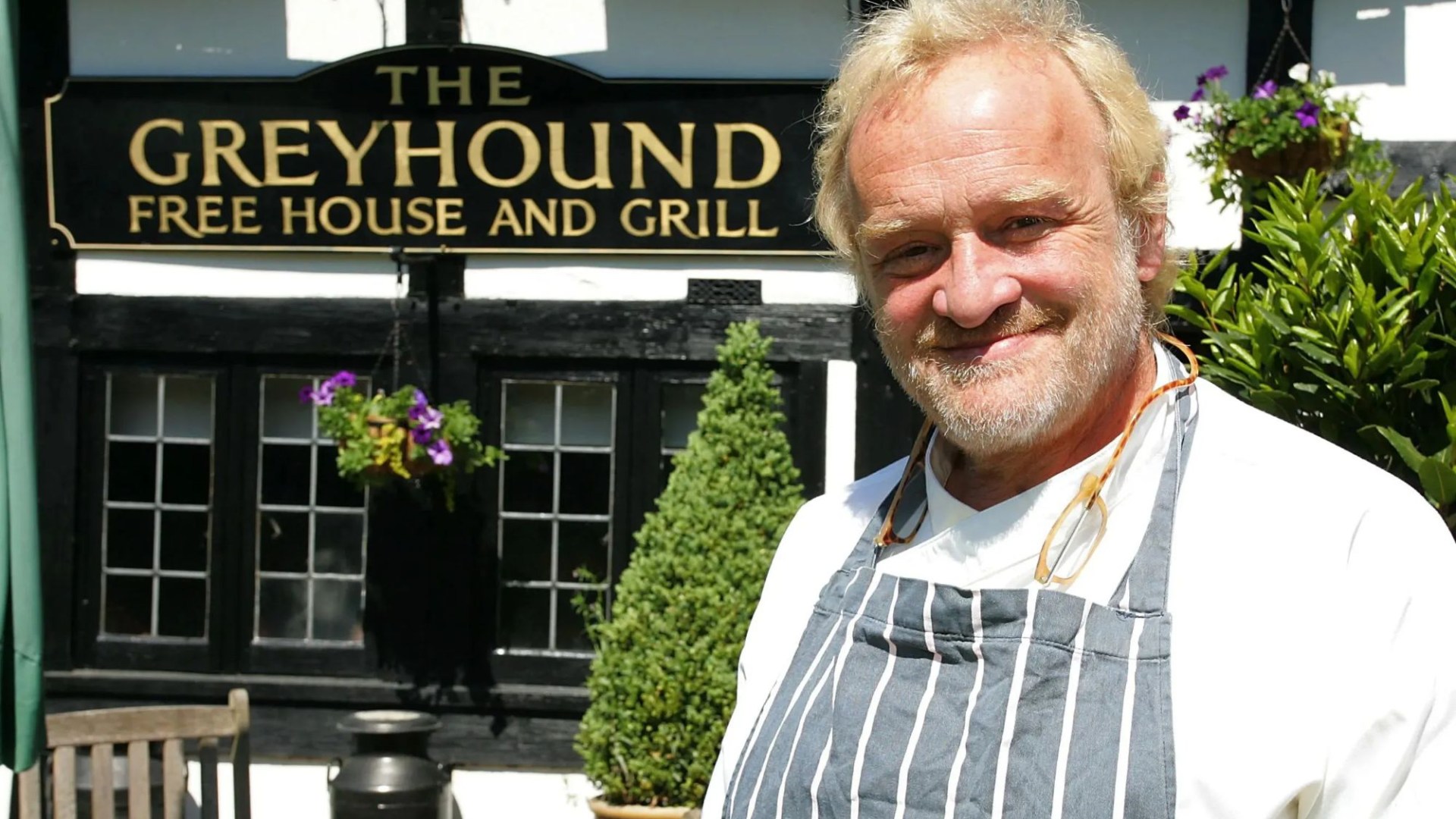
The imminent closure of The Greyhound pub near Henley-on-Thames has left celebrity chef Antony Worrall Thompson “gobsmacked.” Thompson, a seasoned figure in the culinary world, owned and operated the establishment for nearly two decades before selling it to David Brown in the summer of 2022. Having poured 18 years of his life into the pub, Thompson expressed deep sadness at the news, lamenting the rapid decline of a place he held dear. While acknowledging Brown’s right to make decisions regarding the business, Thompson couldn’t hide his disappointment at the pub’s fate, a sentiment likely shared by many patrons who frequented the establishment during his tenure.
The Greyhound’s closure underscores the challenging landscape of the hospitality industry in the post-pandemic era. Thompson, whose career spans television appearances, including “Saturday Cooks” and “I’m a Celebrity… Get Me Out of Here!”, and the ownership of numerous restaurants and pubs, including the Kew Grill in Richmond, offered insight into the factors contributing to the industry’s struggles. He cited Brexit, the lingering effects of the COVID-19 pandemic, and a perceived shift in work ethic as key challenges. The pandemic, in particular, forced many businesses to adapt, and Thompson suggests that some of the resulting changes may have negatively impacted the industry’s overall dynamism.
Furthermore, the economic climate plays a significant role in the dwindling fortunes of establishments like The Greyhound. With rising living costs and tighter budgets, consumers are less inclined to dine out, opting instead to save money. This reduced footfall translates to lower revenues for restaurants and pubs, making it difficult for them to remain viable, especially when coupled with increased operating costs and other economic pressures. The Greyhound’s closure is, unfortunately, a common narrative in the current economic climate, reflecting the broader struggles faced by the hospitality sector.
David Brown, the current owner of The Greyhound, officially announced the closure on the restaurant’s website, attributing the decision to “continually difficult trading conditions and next year’s budget changes.” He expressed gratitude to the pub’s loyal patrons who supported the establishment over the years. Brown’s statement confirms the confluence of factors impacting the hospitality sector, highlighting the precarious position of many businesses as they navigate economic uncertainty and evolving consumer behavior.
Thompson acknowledged the challenges Brown faced, including staffing shortages and the inherent difficulties of transitioning into a new industry. He described Brown as a “really nice guy” grappling with a “tough business.” This observation underscores the complexities of running a successful hospitality venture, requiring not only passion and dedication but also experience, expertise, and the ability to adapt to ever-changing market conditions. The Greyhound’s closure serves as a stark reminder of the fine line between success and failure in this demanding industry.
The story of The Greyhound’s closure encapsulates the broader challenges facing the hospitality sector in the post-pandemic era. From shifting consumer spending patterns and economic uncertainty to staffing shortages and evolving operational challenges, restaurants and pubs are navigating a complex and often unforgiving landscape. The Greyhound’s fate serves as a cautionary tale, highlighting the vulnerability of even established businesses in the face of these multifaceted pressures. It underscores the importance of adaptability, innovation, and a keen understanding of the evolving market dynamics for survival in the competitive hospitality industry. While Thompson expressed surprise and sadness at the closure, it ultimately reflects the broader realities faced by many similar establishments across the country.