


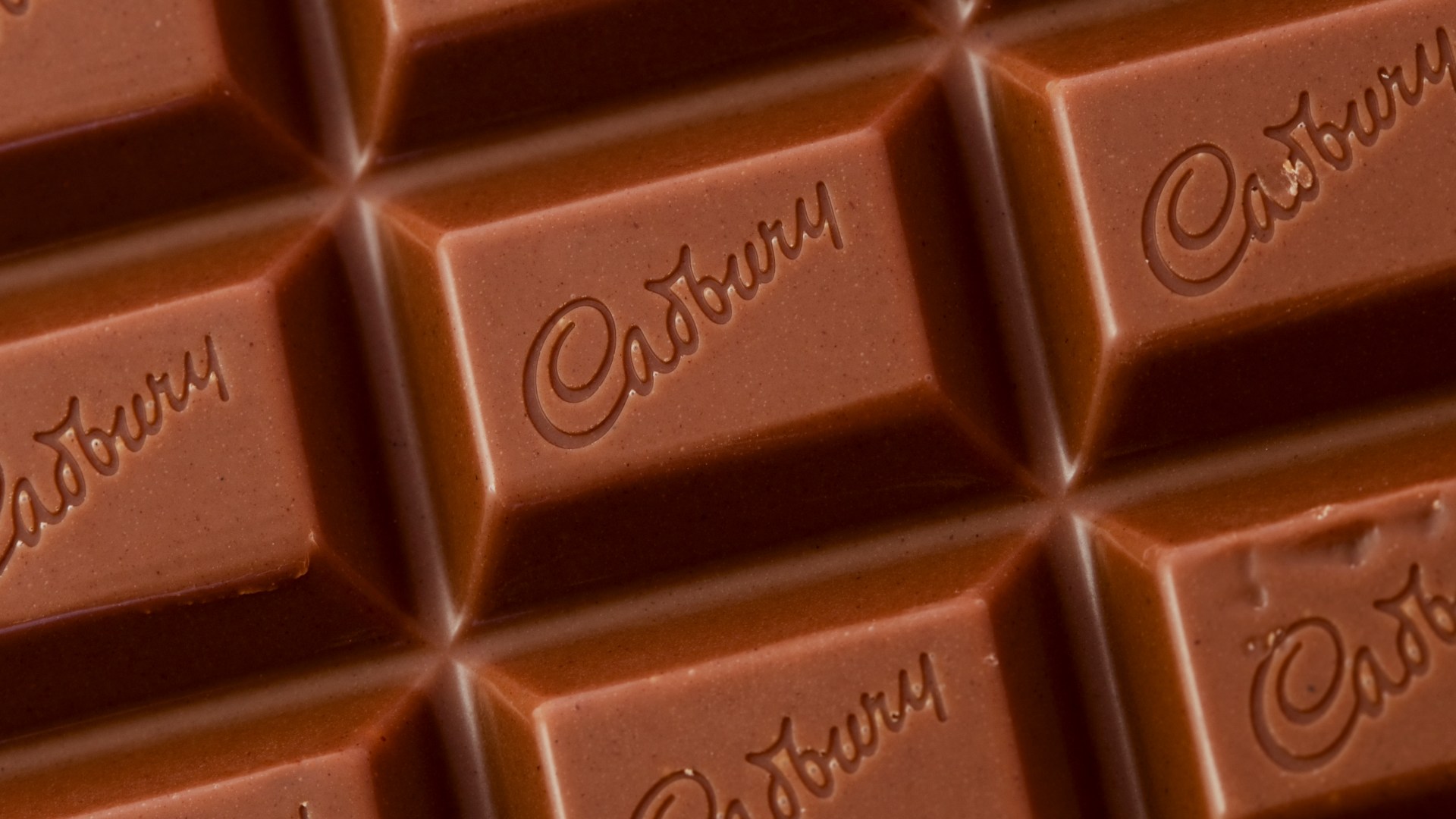
Cadbury, a cornerstone of British confectionery for over a century and a half, has unexpectedly lost its Royal Warrant, a prestigious mark of recognition bestowed upon businesses supplying goods or services to the Royal Household. This distinction, first granted to Cadbury by Queen Victoria in 1854, symbolized a long-standing relationship with the monarchy, solidified further during the reign of Queen Elizabeth II, a known admirer of the brand’s Bourneville chocolate. The removal of the warrant, confirmed through letters sent to the affected companies, has sparked speculation, with many pointing to King Charles III’s known preference for a healthy lifestyle as a potential contributing factor. While Cadbury expressed disappointment, they acknowledged the decision and emphasized their continued pride in their legacy as a beloved national brand.
The loss of the Royal Warrant, while symbolic, represents a significant shift for Cadbury. The warrant, a mark of royal approval, adds a layer of prestige and recognition to a brand, potentially influencing consumer perception and brand loyalty. Its absence, particularly after such a long tenure, could be perceived as a setback, especially in a competitive market. While Cadbury remains a dominant player in the UK chocolate industry, boasting popular products like Heroes and continually innovating with new releases, the removal of the warrant might necessitate a renewed focus on reinforcing their brand identity and consumer connections.
The decision to revoke Cadbury’s warrant, alongside over 100 other companies, underscores King Charles III’s distinct priorities and approach to his royal duties. His well-documented emphasis on healthy living, including a preference for organic food and minimal alcohol consumption, suggests a departure from the dietary preferences of his predecessors. This shift in royal patronage signals a potential realignment in the types of businesses and products receiving royal endorsement, possibly favoring brands aligned with the King’s health-conscious values. This change may influence wider consumer trends, encouraging businesses to highlight health and sustainability aspects of their products.
Alongside the discussion surrounding Cadbury, the removal of the Royal Warrant from other notable brands like Unilever, the maker of Marmite, further emphasizes the scope of this royal re-evaluation. The reasons behind these removals vary, including businesses choosing not to reapply, applications still pending, and, of course, the failure to meet the criteria for continued warrant holding. The case of Boots, the health and beauty retailer, illustrates the complexity of the process, as their application is currently under review. The process of granting and revoking warrants involves careful consideration of various factors, including the quality of goods and services, ethical practices, and alignment with royal values.
While Cadbury navigates this change, other chocolate manufacturers have retained or gained the coveted Royal Warrant. Nestle, a direct competitor of Cadbury, continues to hold the warrant, alongside Bendicks of Mayfair and Prestat, a historic London chocolatier. The continued recognition of these brands highlights the competitive landscape of the chocolate industry and the importance of adapting to changing consumer preferences and royal patronage. Cadbury’s future strategy will likely involve emphasizing their legacy, product innovation, and connection with consumers to maintain their market position.
For consumers, the loss of the Royal Warrant for Cadbury is unlikely to significantly impact their purchasing decisions. While the warrant holds symbolic value, most consumers prioritize factors like taste, price, and availability. However, the increased focus on healthy eating and ethical sourcing, as reflected in King Charles’s choices, could influence broader consumer trends. This shift might lead to greater demand for healthier chocolate options, organic ingredients, and sustainable production practices, prompting brands to adapt their offerings accordingly. Ultimately, consumer preferences remain the driving force in the food industry, and brands like Cadbury must remain responsive to these evolving demands.