


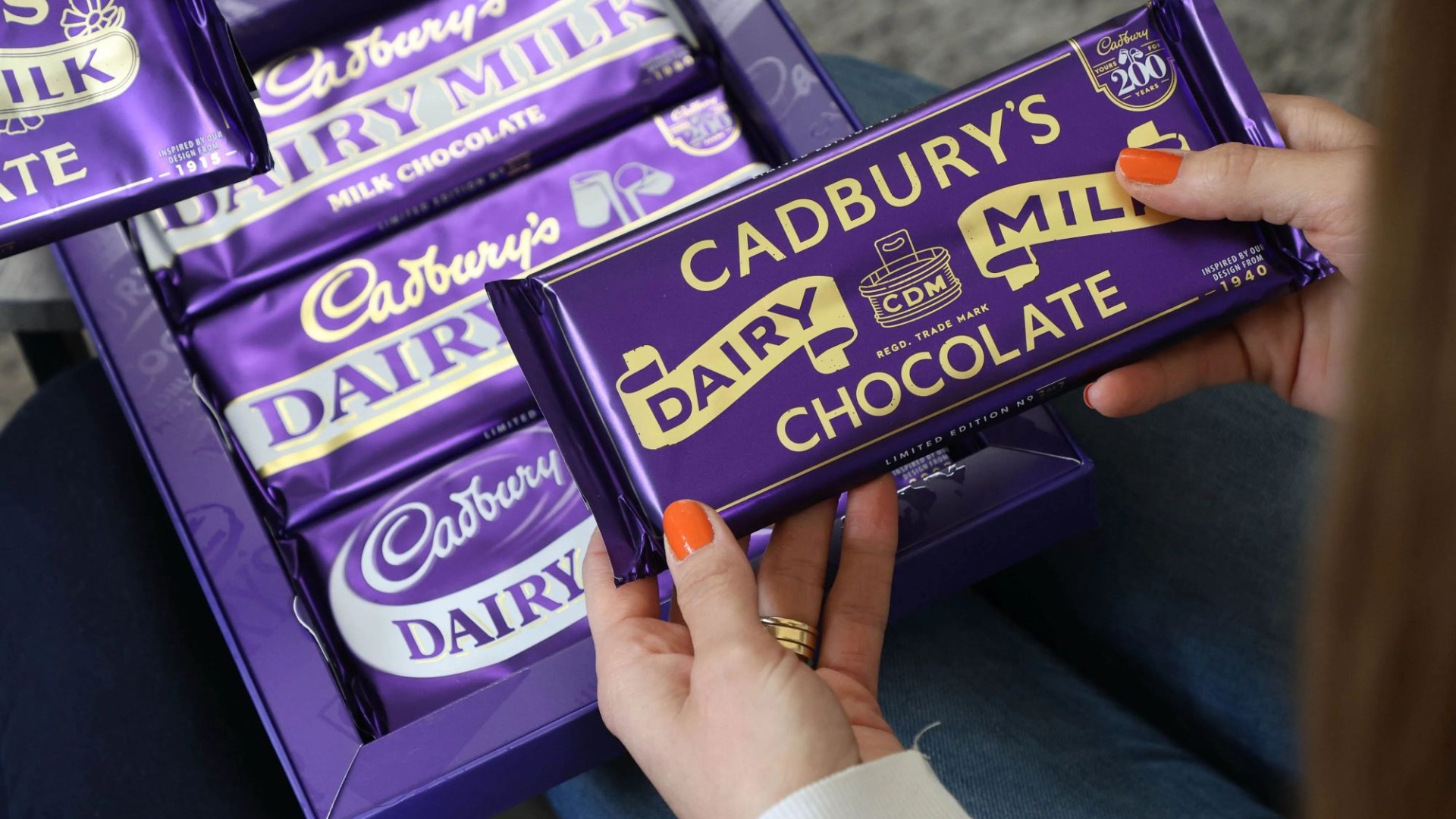
The iconic purple packaging synonymous with Cadbury chocolates, a staple in British households for generations, is set to undergo a subtle yet significant change. This follows the removal of the Royal Warrant, a prestigious endorsement held by the company for an impressive 170 years, first granted by Queen Victoria in 1854 and later reaffirmed by Queen Elizabeth II in 1955. While the beloved Cadbury purple will remain unchanged, the Royal Arms, a symbol of royal approval, will be discreetly removed from all Cadbury packaging. This marks a historical shift for the brand, severing a long-standing connection with the British monarchy. The exact reasons behind this decision remain undisclosed, leaving room for speculation and analysis.
The removal of Cadbury’s Royal Warrant is not an isolated incident. King Charles III’s recent announcement of the 400 companies granted a Royal Warrant also revealed the removal of approximately 100 other companies from the esteemed list. This includes prominent names such as Unilever, the parent company of well-known brands like Marmite, Walls, and Hellmanns. The absence of official explanations for these removals has fuelled conjecture, with some suggesting a link to King Charles’s well-known health-conscious lifestyle and his desire to establish his own distinct reign. However, this theory is somewhat undermined by the continued presence of other chocolate brands, such as Nestle (Milkybar and Smarties) and Bendicks, on the list of warrant holders.
The process of granting Royal Warrants is shrouded in a degree of mystery, with the Royal Household remaining tight-lipped about the specific criteria. It is generally understood that the warrants are bestowed upon suppliers regularly used by the royal household and senior members of the royal family. However, other factors, including sustainability practices, likely play a role in the decision-making process. The silence surrounding the removal of warrants has left affected companies, including Cadbury, to express their disappointment publicly while simultaneously respecting the royal prerogative.
Cadbury, owned by Mondelez International, has expressed its disappointment at the loss of the Royal Warrant, emphasizing its long-standing relationship with British consumers and its status as the nation’s favorite chocolate. While acknowledging the royal decision, the company has underscored the enduring significance of the Cadbury brand and its iconic purple packaging, assuring consumers that this core element of their identity will remain untouched. This careful messaging seeks to reassure loyal customers that the essence of Cadbury remains unchanged despite the loss of royal endorsement.
The impact of losing the Royal Warrant remains to be seen. While it carries symbolic weight and a certain prestige, it is unlikely to significantly affect Cadbury’s market position or consumer loyalty. The brand’s strong heritage, widespread recognition, and enduring popularity are expected to buffer it against any potential negative repercussions. The focus now shifts to observing how this change will be perceived by consumers and whether it will have any tangible impact on sales or brand perception.
The removal of Cadbury’s Royal Warrant, along with those of numerous other companies, marks a significant shift in the relationship between the monarchy and commercial brands. It signals a departure from established practices and suggests a potential re-evaluation of the criteria for royal endorsement. While the exact motivations behind these changes remain opaque, they offer a glimpse into the evolving dynamics of the British monarchy under King Charles III and its interaction with the commercial landscape. The long-term consequences of these decisions will unfold in the coming years, shaping the future of royal endorsements and their perceived value in the modern era.