


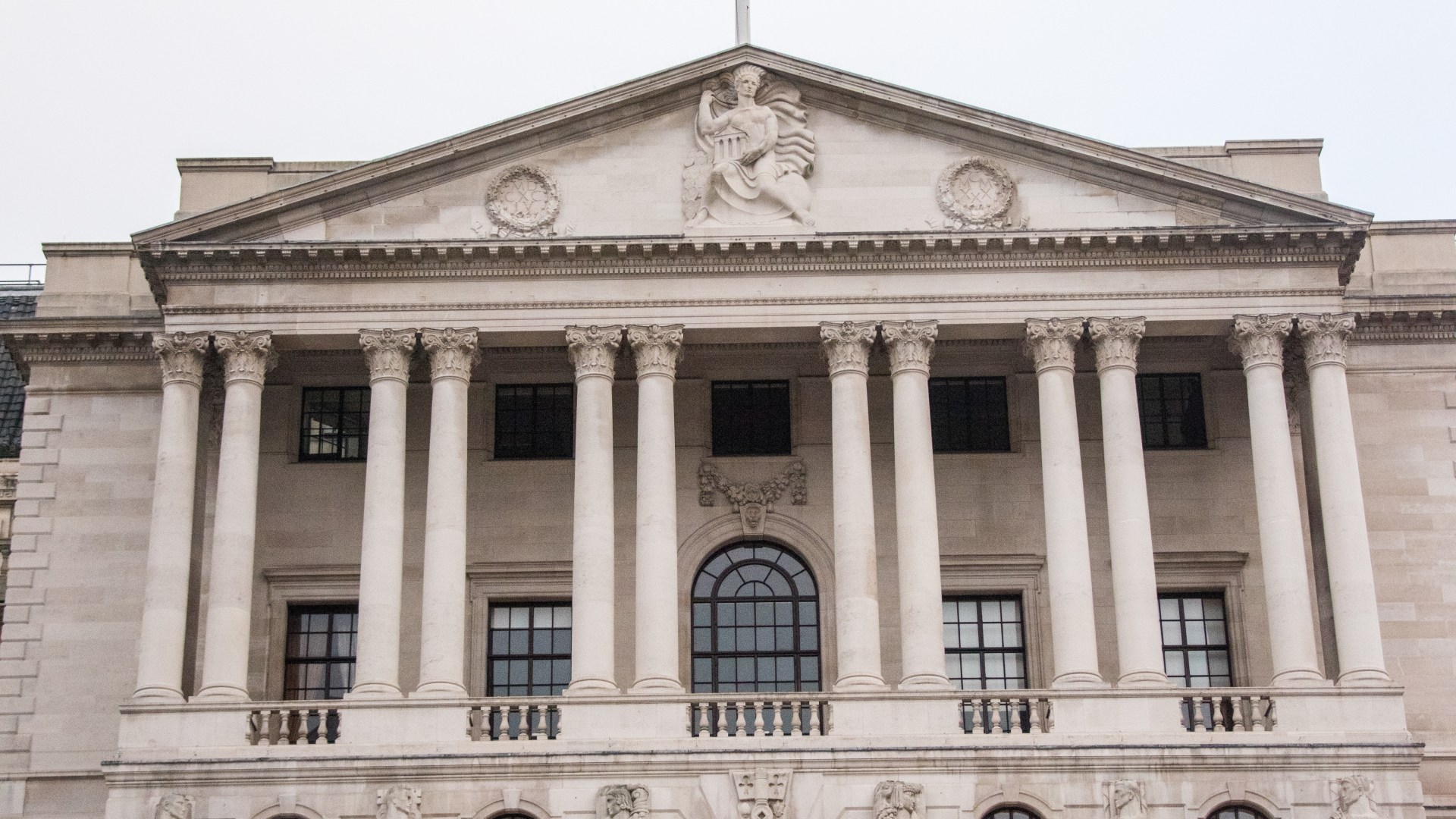
The Bank of England’s Monetary Policy Committee (MPC) finds itself in a precarious position, grappling with the persistent challenge of inflation and the delicate balancing act of supporting economic growth while controlling rising prices. The recent decision to hold interest rates at 4.75% reveals a split within the MPC, with six members voting for stability and three advocating for a rate cut to stimulate the economy. This internal division underscores the uncertainty surrounding the UK’s economic outlook and the difficulty in predicting the trajectory of inflation. Financial markets anticipate a high probability of a rate cut in the near future, but the overall expectation is for only a few reductions throughout the coming year, suggesting a cautious approach from the central bank.
The Bank of England’s decision to maintain interest rates reflects a broader trend among central banks globally, a shift towards more conservative monetary policies in the face of persistent inflationary pressures. This “Scrooge-like” stance, as described by one analyst, highlights the growing concern that premature easing of monetary policy could reignite inflation and undermine efforts to stabilize prices. The Bank’s Governor, Andrew Bailey, acknowledged the heightened uncertainty surrounding the economic landscape, further emphasizing the complex challenges facing policymakers. This cautious approach is mirrored in market reactions, with declines in major stock indices and a rise in government bond yields, signaling investor apprehension about the economic outlook.
Adding to the complexity of the situation, the Chancellor’s recent budget, which includes a substantial increase in National Insurance contributions, has faced criticism for potentially exacerbating inflationary pressures. The Bank of England’s downward revision of its growth forecasts further underscores the economic headwinds facing the UK. The Chancellor’s focus on “improving living standards” appears increasingly discordant with the economic realities of rising prices and potential job losses resulting from the budget’s impact on businesses. The tension between fiscal policy and monetary policy highlights the challenges of navigating the current economic environment.
Amidst the economic uncertainty, there is some positive news on the industrial front. Harland & Wolff, the historic shipyard renowned for building the Titanic, has secured a government-backed rescue deal with Spanish state-owned firm Navantia. This agreement safeguards approximately 1,000 jobs and ensures the continuation of shipbuilding operations at the Belfast yard, a vital component of the UK’s sovereign shipbuilding capability. The deal, estimated to be worth around £70 million, includes sites in Scotland and Devon, and guarantees jobs for several years in exchange for a contract to build three ships for the Royal Navy. This intervention secures a critical industry and provides a welcome boost to employment in the affected regions.
The UK’s housing market continues to reflect significant disparities in property values across the country. Knightsbridge, home to the iconic Harrods department store, has been identified as the most expensive street in the UK, with average property prices reaching a staggering £21 million. This figure represents a stark contrast to the average UK house price, highlighting the concentration of wealth in certain areas and the ongoing affordability challenges facing many prospective homebuyers. Outside of London, the most expensive properties are located in Weybridge, Surrey, while Wales offers the most affordable housing options, although even the most expensive streets in Wales still command prices significantly above the national average.
In the corporate world, Diageo, the global drinks giant behind brands like Gordon’s gin and Baileys, is reportedly exploring a sale of Cîroc Vodka, the brand once endorsed by music mogul P Diddy. This move follows a recent legal dispute between Diageo and P Diddy, which ended with the dismissal of lawsuits and the severing of ties between the artist and the brand. Diageo’s decision to divest Cîroc comes amid challenges in reviving sales in key markets like China and Latin America, as well as domestic supply chain issues affecting the availability of Guinness in some UK pubs. The potential sale of Cîroc suggests a strategic shift within Diageo as it navigates a complex global market. Concurrently, the UK car industry continues to grapple with declining production, with November marking the ninth consecutive month of shrinking vehicle volumes. This downturn underscores the ongoing challenges facing the manufacturing sector and the broader economic uncertainties impacting consumer demand. Adding to the challenges, the Financial Conduct Authority (FCA) is facing its largest ever compensation payout following delays in halting the operations of a fraudulent peer-to-peer lender. This incident highlights the importance of robust regulatory oversight and the potential consequences of regulatory failures. Finally, analysts predict a surge in takeover activity in the UK stock market next year, with a significant proportion of companies on the junior market considered vulnerable to acquisition. This anticipated wave of takeovers reflects ongoing concerns about the shrinking value of the UK stock market, the challenges of raising capital, and the depressed valuations of many listed companies.