



2024: A Year of Business Ups and Downs
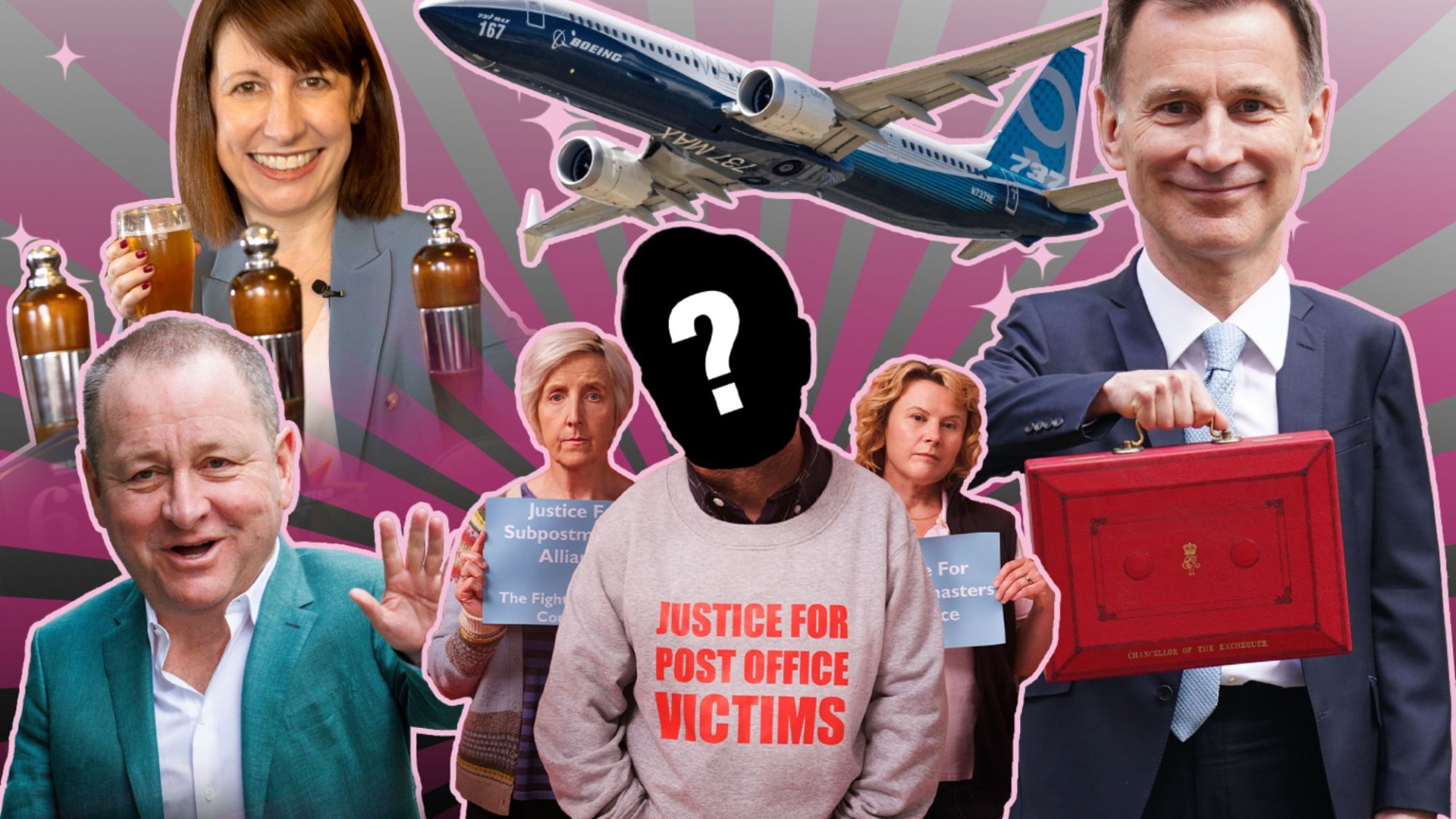
The year 2024 proved to be a dynamic period in the business world, marked by significant events ranging from corporate takeovers and technological advancements to legal battles and economic shifts. The year began with the lingering echoes of the Post Office scandal, brought to light by the ITV drama series, highlighting the devastating impact of a flawed IT system on innocent lives. Actor Toby Jones portrayed one of the victims, Alan Bates, in a performance that resonated with the public and further fueled the demand for accountability. Meanwhile, in the aviation sector, Boeing continued to face challenges, with a bizarre incident involving a detached door peg on a 737 Max flight adding to the company’s ongoing struggles. This incident, though relatively minor, underscored the continued scrutiny under which Boeing operated.
The political landscape witnessed Jeremy Hunt’s final Budget in March, marking the seventh Chancellor to hold the position during the 14 years of Tory government. This turnover highlights the economic and political volatility of the period, with each Chancellor navigating unique challenges and leaving their mark on the UK’s financial landscape. Concurrently, the business world experienced significant shifts in ownership and control. Royal Mail, a cornerstone of British infrastructure for 500 years, came under the control of Daniel Kretinsky, nicknamed the "Czech Sphinx," following a £3.6 billion takeover. This acquisition signaled a potential turning point for the postal service, raising questions about its future direction and strategy under new leadership. Separately, the tech world saw artificial intelligence firm ChatGPT face criticism from Hollywood star Scarlett Johansson over the use of a voice remarkably similar to her own for its chatbot. This incident highlighted the legal and ethical implications of AI development, particularly regarding intellectual property and individual rights.
The technological landscape was further reshaped by the rise of Nvidia, which briefly surpassed Apple as the world’s most valuable company twice during the year. This surge in value reflected the growing dominance of Nvidia in the semiconductor and AI industries, signaling a shift in market focus towards these critical technologies. However, not all technological advancements were positive. A major IT outage caused by security firm CrowdStrike disrupted air travel, railway operations, and television broadcasting, demonstrating the vulnerability of interconnected systems to widespread disruptions. This incident served as a stark reminder of the critical importance of robust cybersecurity measures.
The UK economy faced its own set of challenges, with the Bank of England implementing its first interest rate cut in four years, lowering the rate from 5.25%. This move followed a period of rising rates, reaching levels not seen in 16 years, indicating the efforts to control inflation and stabilize the economy. In the retail sector, supermarket chain Asda struggled with performance issues, leading to the departure of chairman Lord Stuart Rose, who expressed his embarrassment over the company’s situation. This high-profile exit followed the departures of Asda boss Mohsin Issa and co-owner Zuber Issa earlier in the year, highlighting the depth of the challenges facing the supermarket chain.
The political and economic spheres intertwined during discussions around alcohol taxation. Labour’s Rachel Reeves proposed a penny reduction on the price of a pint in the Budget, but Fuller’s boss Simon Emeny countered, arguing that her proposed tax raid would actually increase the price by 10p. This illustrates the complex and often contested nature of tax policy and its potential impact on businesses and consumers. Meanwhile, in the automotive industry, Jaguar’s rebrand, featuring the slogan "Copy Nothing," was met with widespread ridicule for an advertisement that notably omitted showing a car. This marketing misstep exemplified the challenges of rebranding established companies, particularly in a competitive market where consumer perception is paramount.
Finally, billionaire Mike Ashley made headlines with his unconventional job application to become the CEO of online fashion retailer Boohoo. This move was part of his activist campaign and underscored his ongoing involvement in the retail sector, demonstrating his continued ambition and desire to influence the industry. These diverse events collectively paint a picture of a dynamic and ever-evolving business landscape, marked by triumphs, setbacks, and ongoing transformations. The year 2024 underscored the interconnectedness of various sectors, from technology and finance to retail and politics, and highlighted the challenges and opportunities presented by globalization, technological advancements, and shifting consumer preferences.