

Sean McCormack, head veterinarian at tails.com, addresses common pet concerns.
Sean McCormack, the head veterinarian at the personalized pet food company tails.com, offers his expertise to pet owners, addressing a range of questions about pet behavior, health, and care. Drawing from ten years of experience, he aims to provide practical advice and guidance to help pet owners maintain the well-being of their animal companions. He encourages pet owners to seek his counsel on any pet-related matters, whether it be unusual behavior, health issues, nutritional needs, or exercise recommendations.
The realities of goat ownership and responsible breeding.
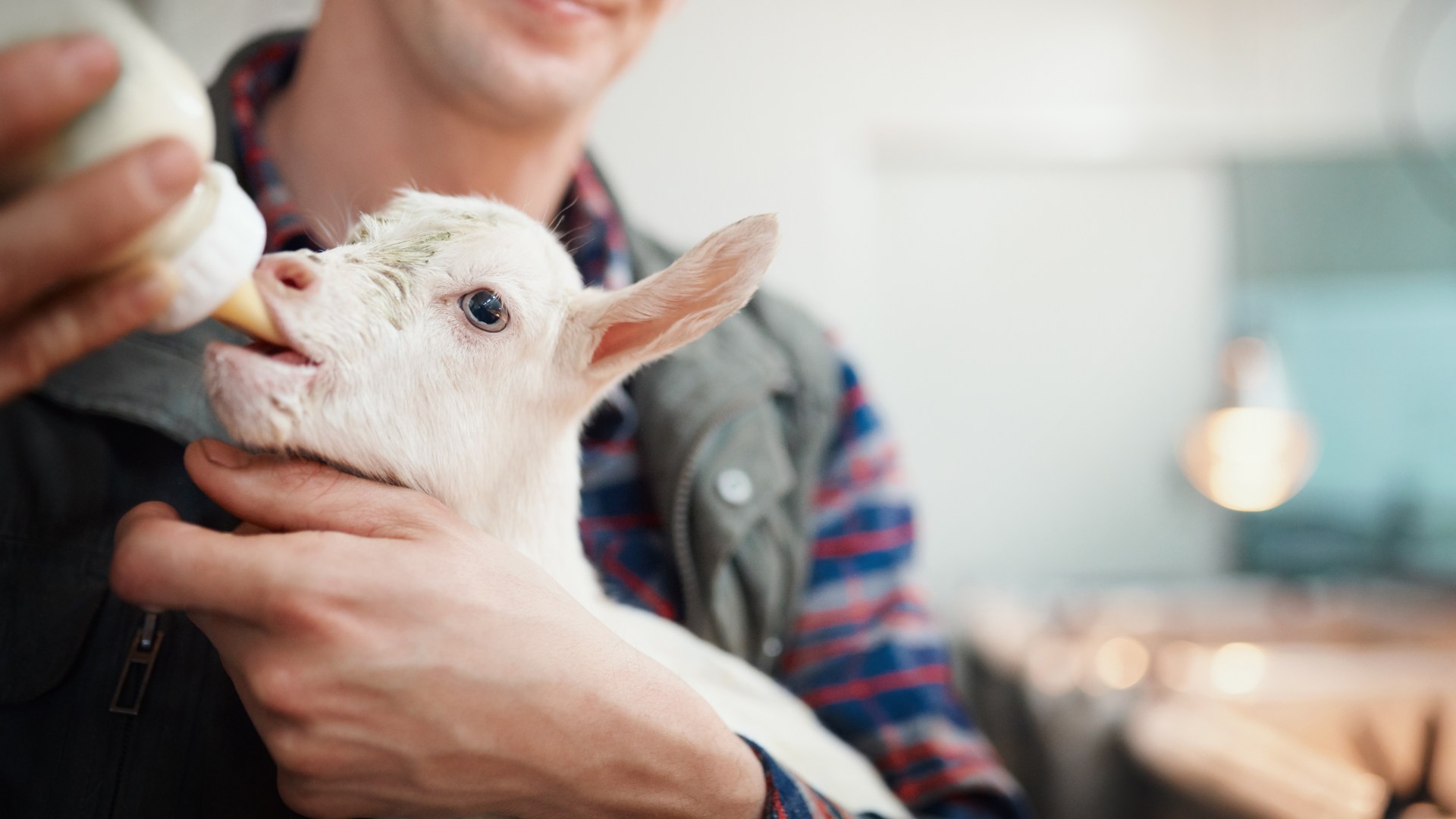
Inspired by the popular television show "Clarkson’s Farm," a reader inquires about the suitability of goats as family pets and expresses interest in breeding them. McCormack cautions against the romanticized portrayal of goat ownership often presented in the media, emphasizing the importance of thorough research before acquiring any pet. He highlights the mischievous nature of goats, their ability to escape enclosures, and their boisterous behavior, questioning the viability of a market for offspring. He advises potential goat owners to carefully consider their motivations for breeding and emphasizes the significant commitment involved in providing adequate land, shelter, and rotational grazing to prevent environmental damage. While goats can be tame with proper handling, McCormack recommends spending time with experienced goat keepers and conducting thorough research to assess compatibility with family life, especially with young children.
Addressing cognitive decline and dementia in older dogs.
An owner expresses concern about their 14-year-old dog exhibiting signs of lethargy, confusion, disinterest in walks, and restlessness during sleep, suspecting canine dementia. McCormack confirms the possibility of Canine Cognitive Dysfunction (CCD), a condition similar to senile dementia in humans. He outlines common symptoms, including vacant expressions, disorientation, difficulty navigating spaces, restlessness, vocalizations, indoor accidents, and withdrawal. While acknowledging the distress associated with witnessing these changes in beloved pets, McCormack offers a hopeful perspective. He explains that certain medications can improve blood flow to the brain and alleviate symptoms, emphasizing the importance of consulting a veterinarian for a comprehensive health assessment, discussion about quality of life, and considerations for end-of-life care.
The importance of dental hygiene in dogs.
A dog owner seeks advice on dental care for their three-year-old terrier, whose breath has recently become unpleasant. McCormack stresses the significance of regular teeth brushing for dogs, ideally daily or every other day, to maintain optimal oral health. He explains that neglecting dental hygiene can lead to plaque and calculus buildup, causing gingivitis, gum disease, tooth loss, infections, and bad breath. He outlines the progression of dental issues and the potential need for professional cleaning under anesthesia. McCormack recommends a dental check-up for the terrier to determine the best course of action, including appropriate toothbrushes, toothpaste, and techniques to encourage acceptance of dental care.
A heartwarming story of cat adoption and the RSPCA’s Christmas appeal.
Belinda Wall, an airline pilot, adopts two shy cats, Angel and Rosie, from the RSPCA’s Great Ayton Animal Centre in North Yorkshire, driving six hours from her home in West Sussex. Touched by their story and bond, she welcomes them into her home, enriching her life and providing a loving environment. Belinda eagerly anticipates her first Christmas with her new companions. This heartwarming tale coincides with the RSPCA’s Christmas appeal, highlighting the organization’s dedication to animal welfare and the increased demand for their services during the holiday season. The RSPCA receives approximately 700 calls for assistance on Christmas Day alone, prompting their call for donations to support their vital work.
Holiday hazards for pets: navigating festive foods and potential toxins.
Amidst the festive cheer, it is crucial to be mindful of potential hazards for pets during the Christmas season. Research from Admiral pet insurance reveals a concerning rise in pet obesity, with nearly a third of vets reporting an increase in cases over the past year. Festive foods, often rich and fatty, pose significant risks to pets. Veterinarian Nicki Fox cautions against offering pets table scraps and non-pet foods, highlighting specific dangers. Foods containing nuts and raisins are toxic to pets, especially macadamia nuts for cats and dogs. Marzipan can cause stomach upset, while stuffing, gravy, and bread sauce often contain onions, garlic, and chives, which are irritating to pets. Cooked turkey bones are a choking hazard, and chocolate can be lethal to animals. Fox warns against feeding pets fatty foods like roast potatoes, turkey skin, and pigs-in-blankets, which can lead to pancreatitis and gastrointestinal issues. She recommends offering pets safe vegetables like carrots, swede, broccoli, cauliflower, sprouts, and boneless, skinless turkey breast.