



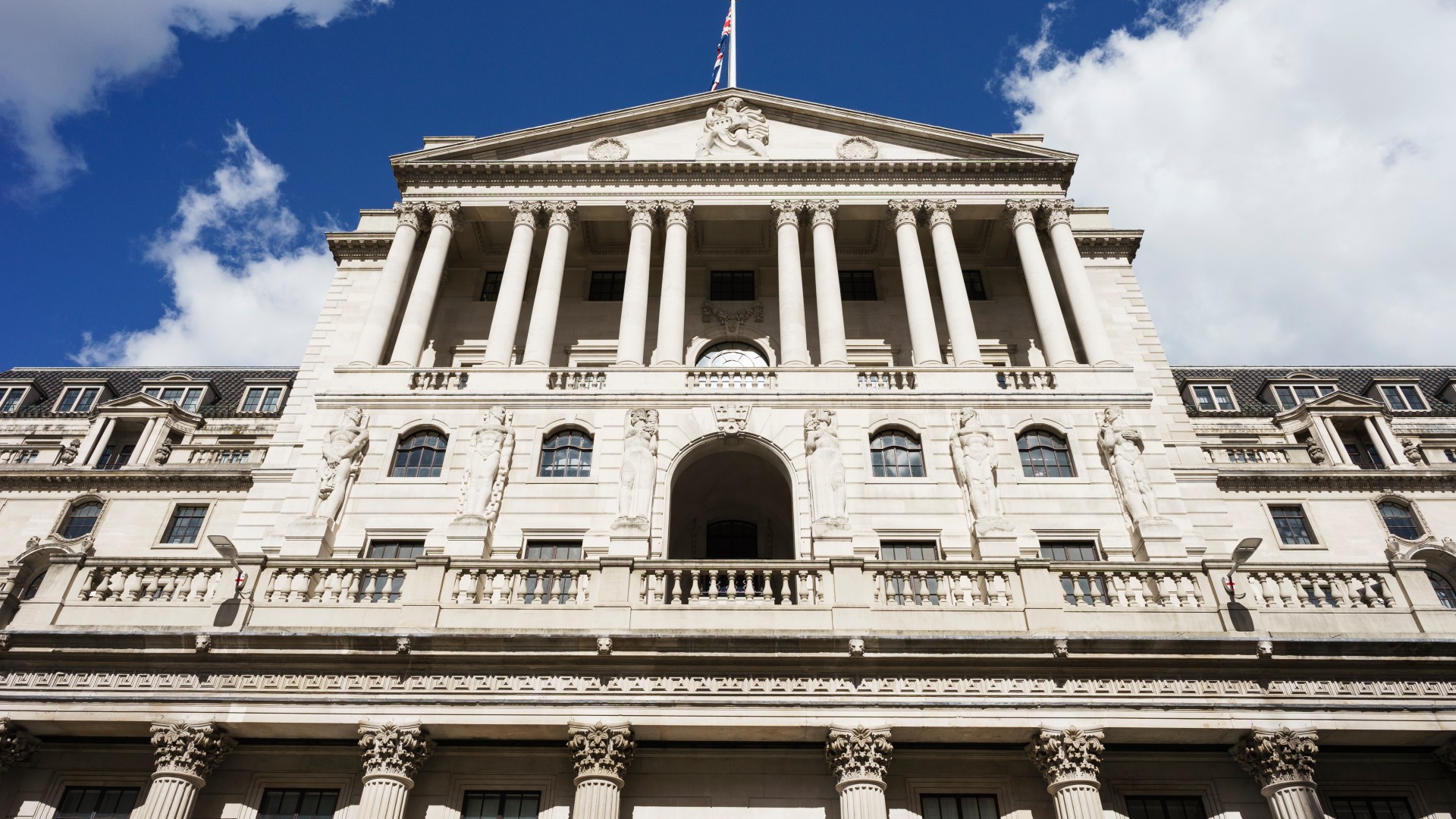
The anticipation of falling interest rates was abruptly halted following a larger-than-projected surge in wages, igniting renewed concerns about inflation. Official data revealed a 5.2% increase in wages during the three months leading up to October, exceeding the anticipated 4.6% rise and significantly surpassing the previous month’s 4.4% growth. This unexpected escalation in wage growth has prompted market speculation about the Bank of England’s imminent interest rate decision, with traders now virtually eliminating the possibility of a rate cut at the upcoming Thursday meeting. The prevailing expectation is that the Bank rate will remain at its current level of 4.75%, prolonging the higher mortgage rates currently experienced by borrowers.
The impact of sustained high interest rates reverberates through the mortgage market, as high street banks typically base their home loan pricing on future Bank rate expectations. Analysts at Peel Hunt, an investment bank, have affirmed that the recent wage increase almost guarantees the Bank of England will maintain the current interest rate of 4.75% at its December meeting, aligning with market consensus. Furthermore, money markets now anticipate only two interest rate cuts of 0.25% each in the following year, suggesting rates could remain as high as 4.25%. This projection persists despite widespread skepticism surrounding the reliability of the Office for National Statistics (ONS) jobs figures, due to low response rates to their survey and recent inaccuracies, leading to concerns that the Bank of England’s economic assessments may be based on incomplete information.
Adding to the inflationary pressures, preliminary data indicates a potential rise in inflation from 2.3% to 2.7% in November. This adds another layer of complexity for the Bank of England’s rate-setters, who must now weigh the burgeoning signs of inflation against other indicators suggesting a slowing economy. The ONS jobs data also paints a picture of a cooling labor market, with vacancies plummeting by 31,000 to a three-year low of 818,000. This decline in job openings further underscores the hesitancy among companies to expand their workforce following the recent budget, which some analysts have criticized as an “anti-employment measure” that increases hiring costs both directly and indirectly.
Meanwhile, businesses are grappling with the economic headwinds and navigating the challenges of budgetary pressures. Hollywood Bowl, the ten-pin bowling entertainment company, has committed to maintaining affordable pricing despite facing an additional £1.2 million in staffing costs due to the recent budget. While acknowledging the impact of these increased costs, the CEO expressed confidence in the company’s ability to absorb them without resorting to immediate price hikes, emphasizing the importance of offering competitive value to families. The company contrasts its affordable pricing with other leisure attractions, underscoring its commitment to providing accessible entertainment options. Despite achieving record revenues of £230.4 million, boosted by international expansion in Canada, the company’s shares experienced a decline, reflecting the market’s overall uncertainty.
Adding to the mix of economic news, the annual supermarket price war on Christmas vegetables is set to commence. Despite rising food inflation, retailers are vying for customer loyalty by offering heavily discounted produce. This year, several major supermarkets have pledged to reduce the price of staple vegetables to 15p, while Morrisons has taken an even more aggressive stance, slashing prices to 10p in an effort to bolster its sales. This aggressive discounting has drawn criticism from the British Growers Association, which argues that such practices distort the public’s perception of the true cost of food production.
Finally, the Financial Conduct Authority has highlighted the influence of “fear of missing out” (FOMO) on young investors’ decisions, particularly regarding hyped products like cryptocurrency. A recent survey revealed that two-thirds of young investors dedicate less than 24 hours to researching an investment before committing funds, with an average investment of £550 in such products. Experts warn of the high risks associated with cryptocurrencies and emphasize the importance of thorough research and risk assessment before investing. In other financial news, Thames Water has secured a significant portion of a £3 billion emergency loan, a step towards avoiding nationalization. However, the loan’s high interest rate has drawn criticism due to the potential impact on customer bills. Additionally, insolvency data reveals a year-over-year decrease in company bankruptcies, while outsourcing firm Capita announces its intention to increase the use of AI to manage attrition rather than replace all departing employees, highlighting the evolving role of technology in the workforce.