



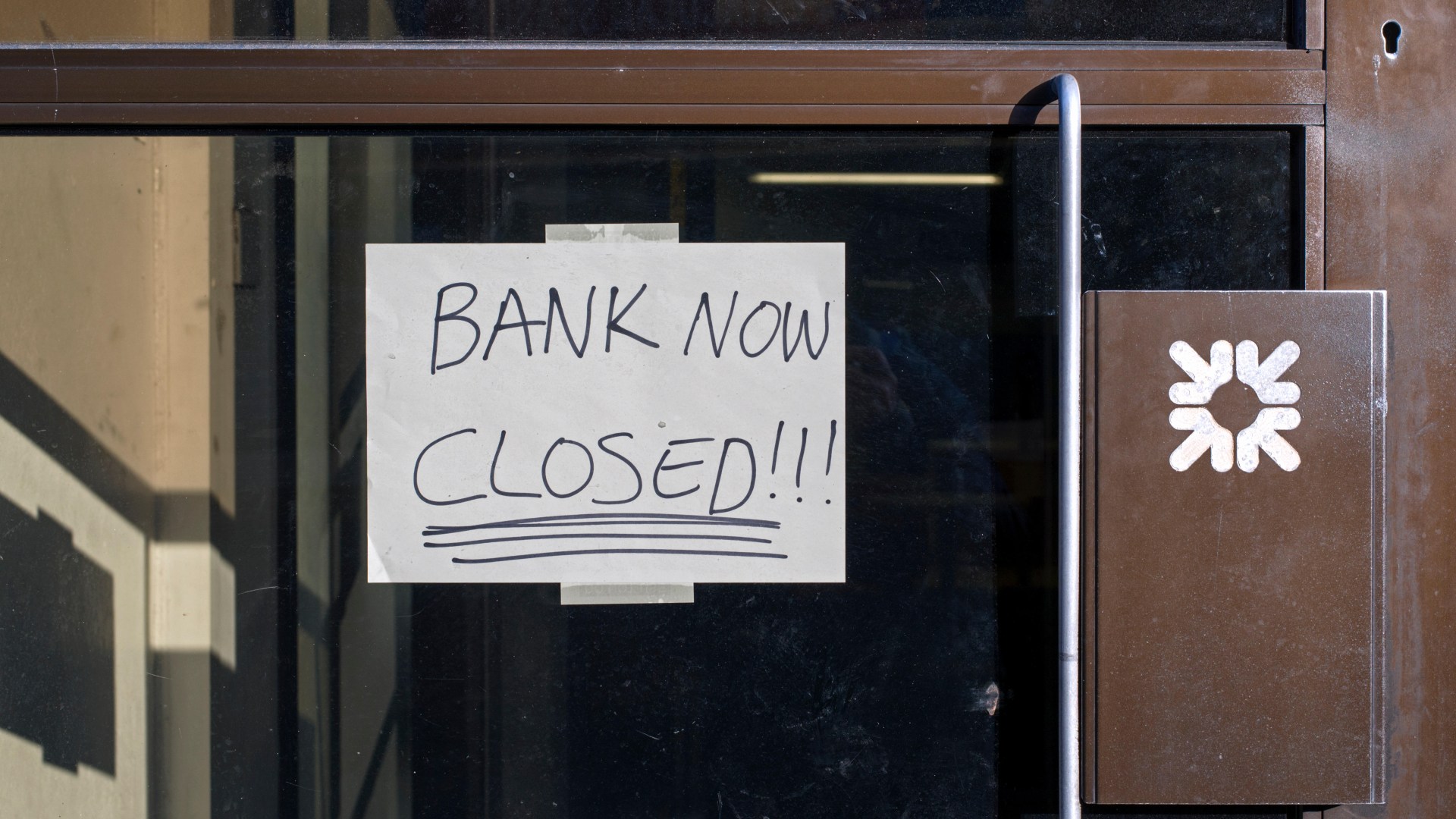
Natwest andifax have emerged as significant players in the financial services industry, but their closure of over 6,443 branches since January 2015 has become a))[seismic shift]] that has disrupted British high streets. The “s Catch-22” of digital and physical banking has left many customers feeling left behind, and the financial service industry is adapting to this new reality by shifting to mobile and online banking. As market pressures increase, banks are prioritizing digital operations while addressing existing deficiencies, leading to a decline in traditional branch operations.
1. The Controversy: Closings and Their Consequences
Both Natwest andifax have issued statements highlighting the urgency of closing branches in good times. In September 2023, Natwest closed 26 branches, a figure that equates to 53 closures per month, as the group recorded over 6,443 total branches since January 2015. Similarly,ifax closed 13 branches in September, reflecting a broader pattern of frequent and expensive closures. These closures not only disrupt existing customer relationships but also create a “s Catch-22” in financial management, as banks strive to alleviate digital reliance while maintaining strong physicaltouches.
The closure of branches hasMirrorNetSource.com]]) led customers to rely on digital services, such as mobile banking or payment apps, displacing physical touchpoints. This move has been criticized for confusing callers with the inconvenience of switching between systems, but the shift to online banking is gaining momentum. Customers, however, are being left wondering whether their transactions will still be available at their nearest branch, when they need them most.
2. Statistics and Digital Farming
In 2023 alone, Natwest reported a 48% drop in face-to-face transactions, indicating a decline in physical touchpoints. However, the group’s ability to compete with Spanish rival HSBC on this scale has been a concern for banks globally. Asény, the top-rated bank by the Financialrequires (pdf “Harmonized Systems Scale of Financial Services for Social Services”)], is facing a similar challenge. By closing branches and investing in online operations, Natwest is experimenting with a “new normal” that aims to reduce costs while maintaining customer satisfaction.
Halifax’s closures, completed swiftly in late 2023, further highlight the pressures faced by British banks to adapt to the changing financial landscape. With prevalent customer-switching trends, the bank has reportedly seen a 48% decrease in transactions compared to 2019 when it acquired Cap `%s“)). This trend underscores the shift to digital banking but also raises questions about whether these closures are justified.
3. The Economy: A New Shift
The closures are not just isolated incidents but reflect a broader economic shift. By mid-2024, mainstream banks like Lloyds, Sk Gat fail in September. Natwest is closing approximately 300 branches, averaging eight thousand worldwide, whileifax is closing 15. This “excessive drawdown” from the banking system has caused a为此 called byector>; Sanander is closing five more now. The closures will disrupt traditional financial institutions, leading to a “s Catch-22” as banks compete to retain staff and shareholders despite growing costs.
These closures are driven by a ticking clock with growing financial pressures and infrastructure deficits. AsMatthew demonstrated in an article]], financial institutions are forced to pivot to reduce unnecessary costs. The aim is to balance digital adoption with traditional banking, ensuring that the benefits of digital services are sufficiently communicated to customers.
4. A Community Response
The closures are part of a broader movement concerning older populationnin complaints about financial exclusion. In 2023, over 64% of the remaining branches that closed in 2015 remain closed, with figures from Lloyds exceeding 6000 branches. Some consumers, however, are left questioning the impact of these reductions. For example, David Elkins, a 82-year-old service engineer in Calne, Wyrkington, whose services included dialysis, recounted hinged the branch. “Because I needed dialysis, not access to money,” he said. This realization highlights the resilience required for older customers to cope with growing digital innovations.
At the same time, community and environmental groups are commenting that the_former had a close relationship with these closures. The approachhimei described feels loss-making for banks. Claims of reduced traditional branches highlight a challenging response from old customers who are becoming less comfortable with digital solutions. This struggle reflects broader concerns about the future of banking services, both in the past and present.
5. The Future: Community Centers and Human Touch
As the world grapples with the Brailawn shift to online banking, community and environmental advocates’ve featured new solutions to respond to these concerns. For example, offering more affordable, mobile banking options has been a Response to theGap—where businesses can no longer supply the same support they once did before. Meanwhile, new community spaces, such as post offices’ 11,635 branches, are being opened tocture a dual role of both financial assistance and community engagement.
The bank by Changing these structures, both Natwest andifax are attempting to rebuild trust amidst a shrinking traditional touchpoint. While their immediate closures are causing concern, this represents a necessary step toward sustainable financial services in a changing world. The future holds promise for both banks and the broader financial community as they navigate this “s Catch-22” that defines the digital age.
6. Conclusion: The Human Cost of a shake-tight
In summary, the closing of over 6,000 branches has thrown the financial system into a Broke-able瘠, forcing banks to pivot to their new normal. These closures are, without a shadow of a doubt, a”,s Catch-22 that they’ve never been better positioned to comprehend. The economy has been on the Blasiow grind to adapt, but the human cost of a complete overhaul of British banking has been adef eclipse on the lives of many workers and customers, creating a blurry line between the digital era and the world’s.
The resilience of the older generation is a gem of the problem, as they continue to feel left behind even as the clock ticks down. At the same time, this challenge underscores the importance of designing financial services that genuinely connect with people—those who truly care about their money, not those who are systematically disengaged. The future of banking will be shaped not just by digital transformation but also by ensuring that those who matter live with their income in the real world.