


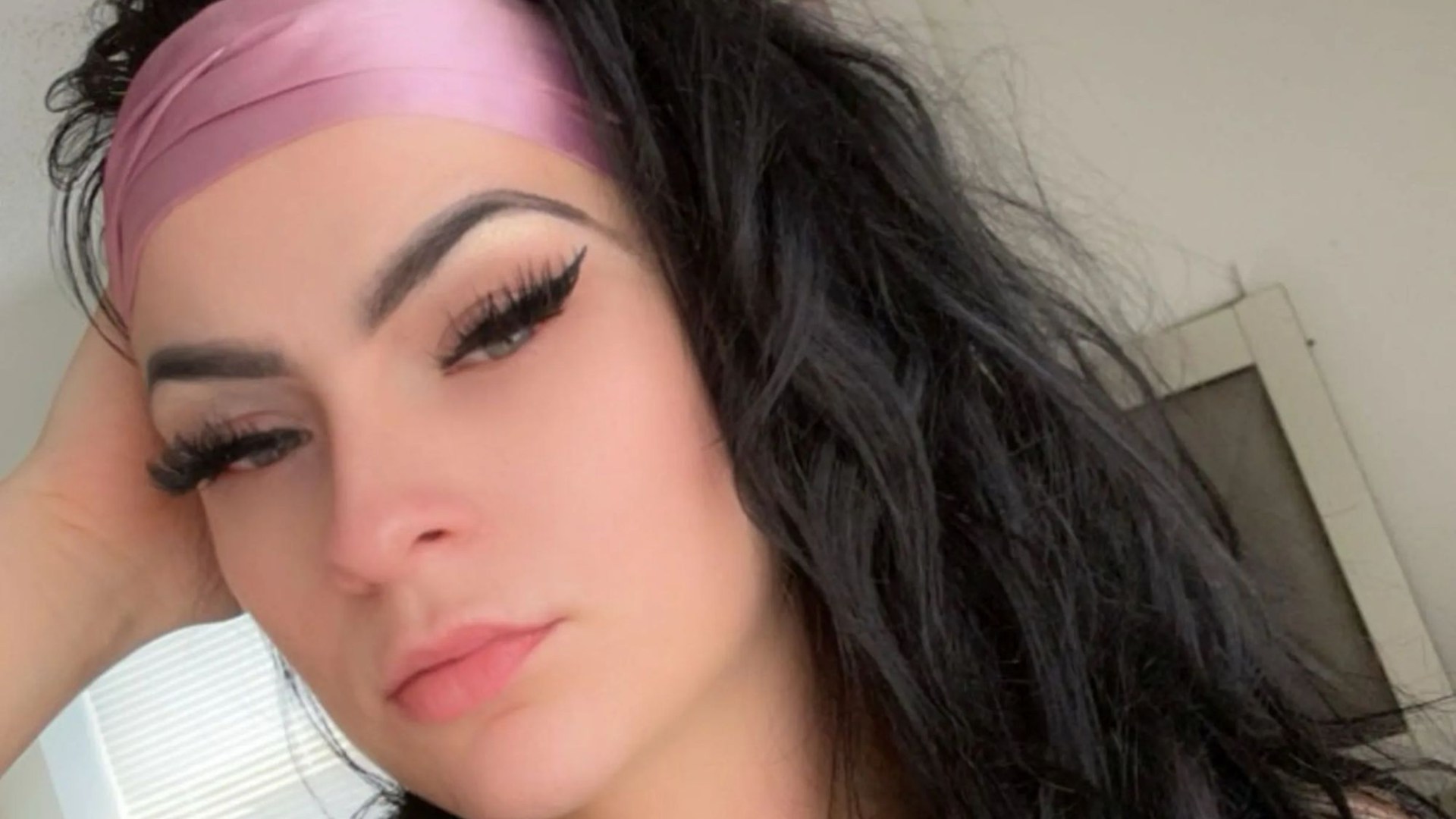
Kaitlyn Humphrey’s life took a dramatic turn after a seemingly minor incident involving lash glue. The 26-year-old mother of two, a regular user of false eyelashes, purchased a new brand of lash adhesive. During application, a small amount of the glue seeped into the corner of her left eye, causing immediate irritation. While she initially anticipated some discomfort due to the new product, the irritation persisted for several days. Following the product instructions, Kaitlyn tried rinsing her eye at home before seeking medical attention. A doctor diagnosed her with an allergic reaction to the lash glue and prescribed antibiotic eye drops.
Over the next eight months, Kaitlyn’s eye symptoms persisted, fluctuating between periods of relative comfort and intense discomfort. Despite multiple visits to the hospital, her concerns were reportedly dismissed, and no further investigation into the underlying cause of the persistent irritation was conducted. She experienced recurring bouts of redness, itching, a burning sensation, and a persistent feeling akin to having an eyelash trapped in her eye. The lack of a definitive diagnosis and effective treatment left Kaitlyn feeling frustrated and increasingly concerned about her deteriorating eye health.
By March 2024, Kaitlyn’s symptoms escalated to include blurred vision and a sensation of pressure behind her left eye. Seeking specialized care, she consulted an ophthalmologist, who reportedly found no abnormalities and dismissed her concerns. This dismissive encounter further fueled Kaitlyn’s anxieties, making her feel like her symptoms were being disregarded and that she was being perceived as a hypochondriac. The lack of proper medical attention led to a delay in diagnosis and appropriate treatment, contributing to the eventual tragic outcome.
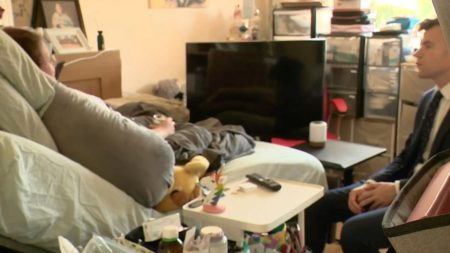
The months following Kaitlyn’s visit to the ophthalmologist were marked by worsening symptoms. Her vision continued to deteriorate, forcing her to give up her job and impacting her ability to engage in everyday activities with her children. The recurring eye irritation and blurry vision increasingly limited her life. It wasn’t until August 2024, when she woke up completely blind in her left eye, that Kaitlyn finally received the medical attention she desperately needed. The pain was excruciating, and the pressure on her right eye was so intense that she temporarily lost vision in that eye as well. This terrifying experience prompted her to seek a second opinion.
The second ophthalmologist immediately recognized the severity of Kaitlyn’s condition. A subsequent examination revealed that her cornea had almost completely disintegrated due to a severe infection, likely stemming from the initial incident with the lash glue. Kaitlyn underwent a cornea transplant in an attempt to salvage her eye and restore her vision. However, her body rejected the transplant, and a dime-sized mass was discovered growing on her optic nerve, a complication resulting from the infection and the failed transplant. Faced with this devastating news and after enduring months of pain and uncertainty, Kaitlyn made the difficult decision to have her left eye surgically removed.
During a four-hour operation, the surgeon removed Kaitlyn’s left eye, carefully wrapping the remaining tissue and muscles around a marble implant. This technique ensures that the prosthetic eye will move naturally within the socket, mimicking the movement of a healthy eye. A month after the surgery, Kaitlyn has come to terms with her new reality. While she awaits the fitting of a custom-made prosthetic lens that will match her original eye color, she is determined to share her story to raise awareness about the potential dangers of seemingly innocuous beauty products like lash glue. Kaitlyn’s experience underscores the importance of persistent self-advocacy when faced with unexplained and persistent health concerns. She urges others to seek multiple medical opinions if necessary and to never dismiss their own bodily experiences. Her story serves as a stark reminder that early diagnosis and proper medical intervention can prevent irreversible damage.