



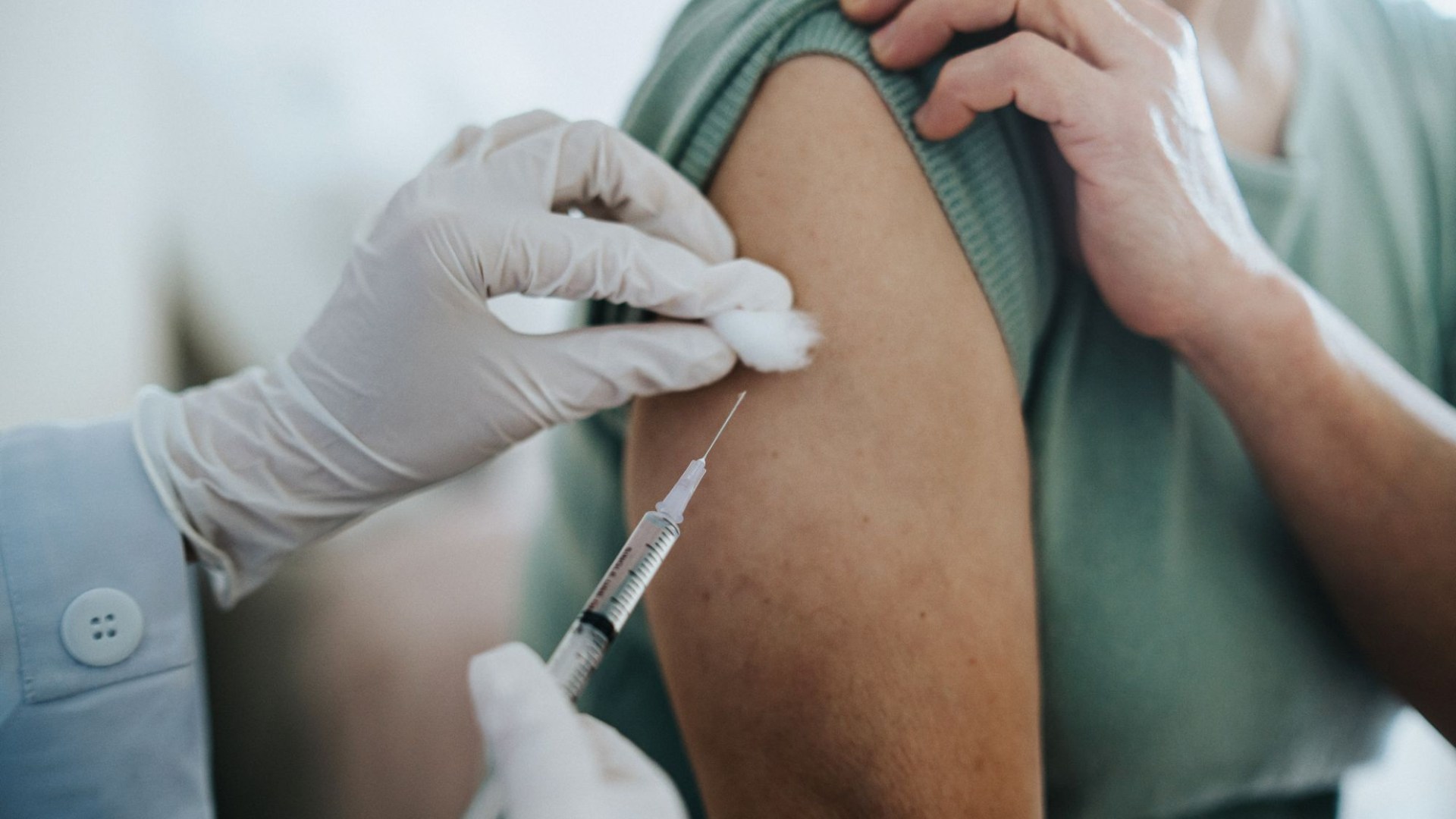
The NHS has issued a final call for eligible individuals to receive their winter vaccinations, urging them to book appointments before the National Booking Service closes for flu and COVID-19 jabs on December 19th. This final push aims to bolster protection against a predicted “tidal wave” of winter illnesses, including flu, COVID-19, norovirus, and RSV, which are already placing significant strain on healthcare services. While some walk-in sites and pharmacies may continue to offer vaccinations after the 19th, availability will be reduced and may require more travel. The NHS emphasizes the importance of these vaccinations, particularly for those at higher risk of severe illness and hospitalization.
The free vaccinations are available to a wide range of individuals, including pregnant women, those aged 65 and over, frontline health and social care workers, and individuals with specific health conditions. Children aged 2-11 are also eligible for flu vaccinations, while those in clinical risk groups are offered protection against COVID-19 and RSV. The urgency of this call to action is underscored by the recent surge in flu cases, which has seen hospital admissions for flu increase by 38% and ICU admissions by 80%. This early and intense flu season, coupled with the ongoing presence of COVID-19 and other respiratory viruses, presents a significant challenge to the NHS as it enters the busiest period of the year.
Health officials warn that contracting any of these viruses could disrupt holiday plans and emphasize the importance of vaccination for personal well-being and to protect loved ones, particularly those working in jobs without sick pay. The current surge in illnesses is already putting immense pressure on hospitals and emergency services, which are experiencing record numbers of patients. The combined threat of these multiple viruses, often referred to as a “quad-demic,” has the potential to overwhelm healthcare resources, making timely vaccination crucial.
The NHS has witnessed a positive response to their call for vaccinations, with over half a million appointments booked in the last five weeks, bringing the total number of flu, COVID-19, and RSV vaccinations administered to a remarkable 28 million. This proactive approach to vaccination is essential in mitigating the severity of the winter illness season. However, given the anticipated rise in cases, health services remain on high alert, preparing for a potentially challenging winter.
The primary method for booking vaccinations is through the NHS App, website, or by calling 119. Individuals can also contact their local GP practice to arrange appointments. While booking through the National Booking Service will cease after December 19th, efforts are being made to maintain vaccination access through local providers. This may involve pharmacies, walk-in clinics, and other community-based services. The NHS encourages everyone eligible to book their vaccinations as soon as possible, while convenient access is still widely available.
Beyond the immediate protection offered against winter illnesses, vaccination also safeguards against long-term health complications. By reducing the severity of infections, vaccines contribute to preventing long COVID, a condition characterized by persistent symptoms that can significantly impact quality of life. Additionally, vaccination helps to minimize the spread of these viruses within the community, protecting vulnerable individuals who may not be able to receive vaccinations themselves or for whom the vaccine may be less effective. This collective immunity is crucial in safeguarding public health and preventing widespread outbreaks. Therefore, getting vaccinated is not only an act of self-care but also a contribution to the health and well-being of the wider community.