
Willow’s Plight: A Toddler’s Fight for a New Heart
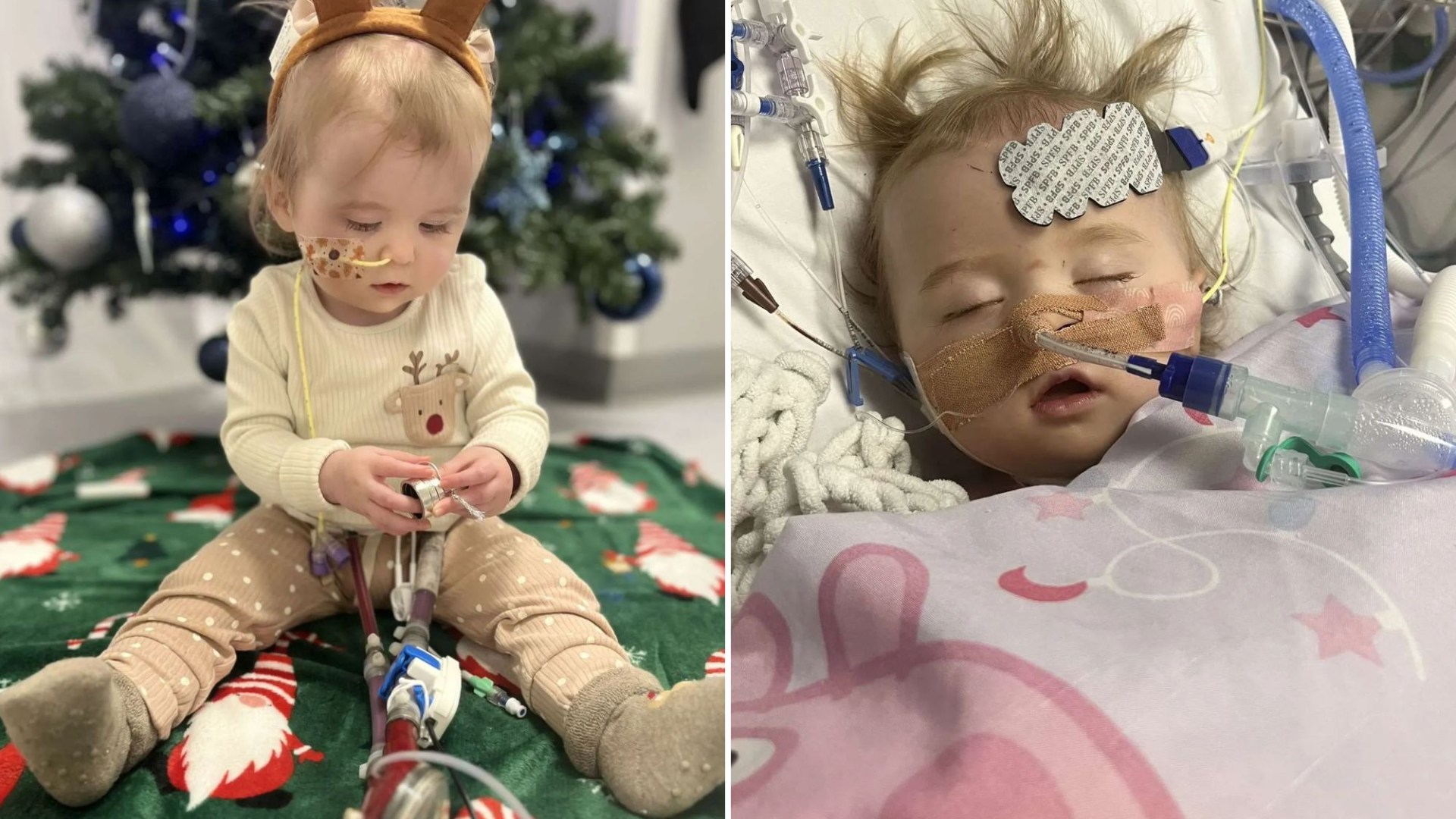
Eighteen-month-old Willow Stansfield’s life took a dramatic turn after contracting a seemingly innocuous childhood virus, parvovirus B19, commonly known as slapped cheek syndrome. What began as typical cold-like symptoms quickly escalated into a harrowing medical crisis. After multiple cardiac arrests, Willow was diagnosed with end-stage heart failure, a devastating condition that leaves her heart unable to effectively pump blood. Her only hope for survival lies in a heart transplant, a precious gift that remains elusive as she waits, her young life hanging in the balance.
Willow’s mother, Elisha-Mai, describes the experience as a "living nightmare," filled with uncertainty and fear. The family’s life has been irrevocably altered. Elisha-Mai has relocated to Newcastle to be with Willow at the Freeman Hospital, while her father, Luke, makes the arduous weekly journey from their home in Bury, Greater Manchester, to visit his daughter. The constant worry and emotional strain have taken a heavy toll on the young parents, who grapple with the unpredictable nature of Willow’s condition and the agonizing wait for a suitable heart donor.
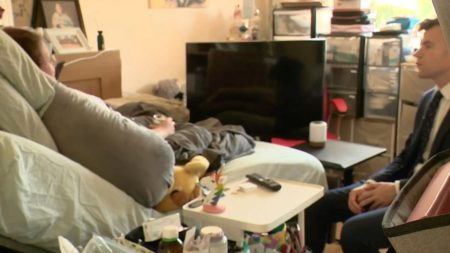
The festive season, typically a time of joy and family togetherness, will be spent in the confines of the pediatric intensive care unit. While Elisha-Mai and Luke are determined to make Christmas as special as possible for their daughter, the reality of their situation casts a long shadow. The hospital room, though filled with love and the spirit of Christmas, is a stark reminder of the life-saving intervention Willow desperately needs. The family clings to hope that a miracle will arrive, granting their daughter a new heart and a chance at a normal life.
Willow’s story highlights the critical need for organ donation. Elisha-Mai makes a powerful plea to parents, urging them to consider the profound impact organ donation can have on families like hers. She acknowledges the sensitivity of the topic but emphasizes the life-saving potential of this selfless act. While the decision to donate a child’s organs is undoubtedly difficult, it can offer hope and a second chance at life for children like Willow who are awaiting a transplant.
Elisha-Mai underscores the urgency of the situation, emphasizing that children are dying while waiting for a transplant. She urges families to have open conversations about organ donation, stressing that this single conversation could be the catalyst for saving multiple lives. She highlights the devastating reality that children are already losing their lives due to the shortage of available organs. Willow’s story serves as a poignant reminder of the vital importance of organ donation and the transformative power it holds for those in desperate need.
For Willow, a successful heart transplant would be a life-altering event, offering her the chance to experience a healthy childhood free from the constraints of her current condition. It would mean returning home to her family, playing with friends, and enjoying the simple pleasures of life that are currently beyond her reach. Elisha-Mai’s heartfelt appeal for organ donation serves as a rallying cry, a testament to the power of human compassion and the potential for one family’s tragedy to bring hope and healing to another. Willow’s story is a stark reminder that the gift of life is the most precious gift of all, and the decision to donate organs can create a ripple effect of hope and transformation, offering a second chance at life to those who desperately need it.