


The idyllic lives of Disney princesses, often depicted as culminating in a “happily ever after,” are scrutinized under a medical lens in a Christmas issue of The British Medical Journal. Dutch researchers playfully yet pointedly analyze the potential health hazards these iconic characters might face if their fairy tale existences were transposed to reality. Loneliness, zoonotic infections, occupational hazards, and even the perils of non-consensual kissing are among the concerns raised, highlighting the stark contrast between fantasy and the complexities of real-world health issues.
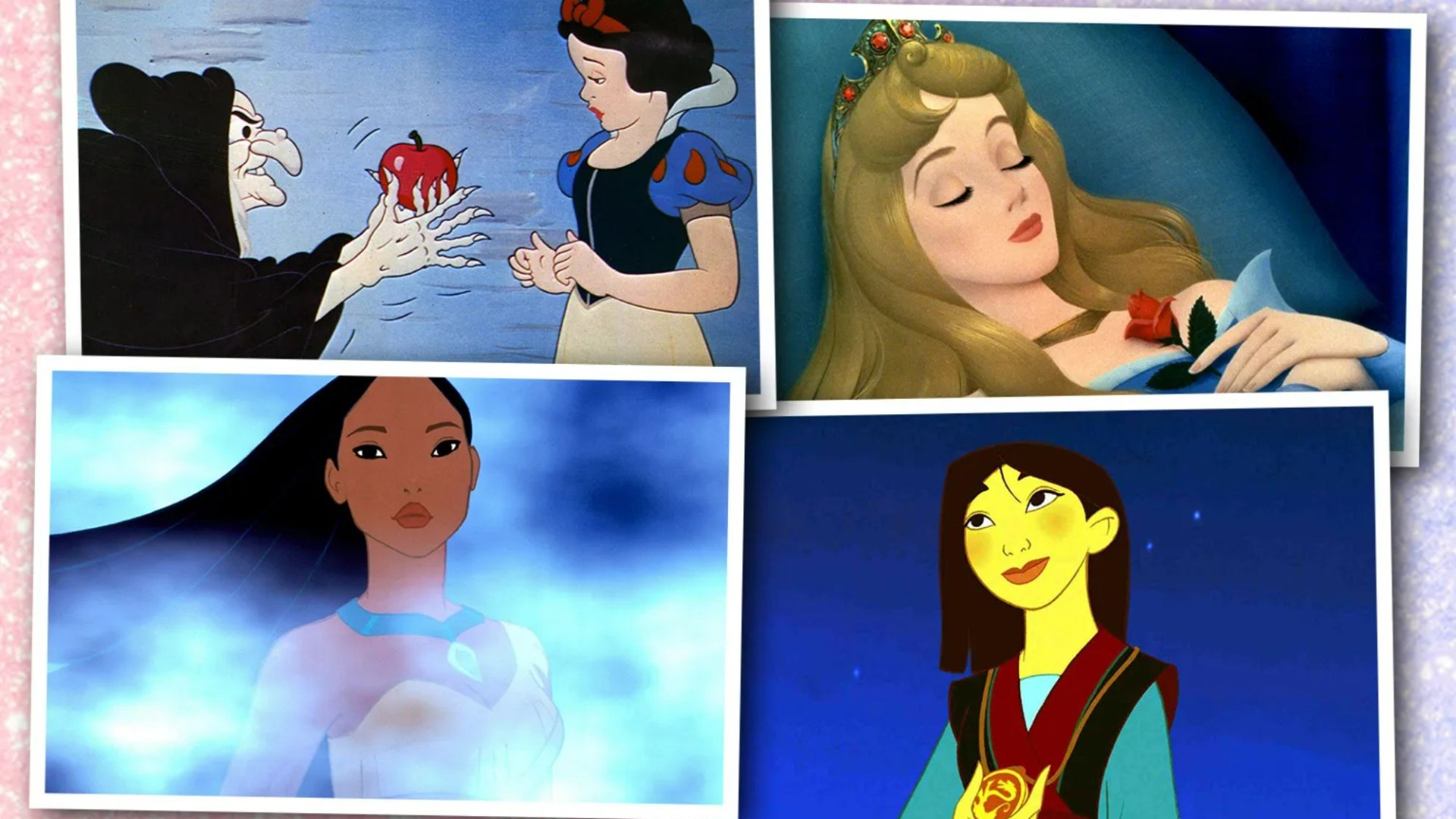
Snow White, though rescued from isolation by the Seven Dwarfs, faces the very real danger of poison ingestion. Princess Jasmine, despite the Genie’s companionship, suffers from a lack of human connection, placing her at risk for a host of health complications linked to loneliness, including heart disease, depression, and dementia. Belle’s close relationship with the Beast exposes her to the potential threat of zoonotic diseases such as rabies and brucellosis. Even the seemingly innocuous presence of animal companions, like Jasmine’s tiger Rajah, carries the risk of transmitting infections.
Cinderella, often depicted toiling away in dusty conditions, faces the potential for occupational lung disease, exacerbated by the glitter—aluminum-coated microplastics—bestowed upon her by her fairy godmother. This seemingly magical element poses a real-world threat, capable of penetrating lung tissue. The researchers suggest that respiratory therapy, rather than a prince, might be the true key to Cinderella’s well-being. Pocahontas’s daring cliff dive is reimagined with a less romantic outcome – a potential “symphony of fractures” rather than a harmonious connection with nature.
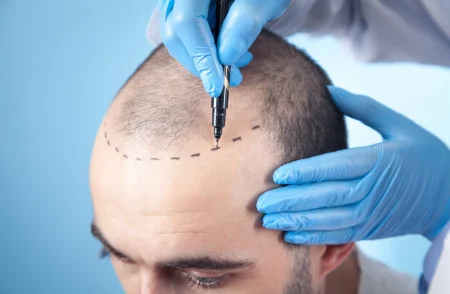
Sleeping Beauty’s prolonged slumber presents a different set of health risks. Princess Aurora’s “infinite sleep” could lead to heart disease, stroke, obesity, diabetes, pressure ulcers, and muscle atrophy. While Prince Philip’s kiss awakens her, the researchers raise the important issue of consent, highlighting the potential dangers of unconsented actions, even in a fairy tale context. Mulan, a celebrated warrior, faces the constant pressure of upholding her family’s honor, a factor that can contribute to mental health challenges. Even Rapunzel’s iconic long hair becomes a source of potential medical concern, with the repetitive pulling potentially leading to traction alopecia, a condition causing scalp pain, headaches, and even permanent hair loss.
The researchers, while engaging in a lighthearted thought experiment, ultimately advocate for a more nuanced portrayal of health and well-being within the Disney universe. They propose interventions such as mindfulness, psychotherapy, training on safe cohabitation with animals, and the use of personal protective equipment against infectious agents and toxic particles. These suggestions, while presented within the framework of a playful analysis, underscore the importance of considering real-world health implications, even within the realm of fantasy.
By highlighting the potential health consequences faced by these beloved characters, the researchers encourage a shift in perspective, prompting viewers, especially young ones, to consider the complexities of health and well-being beyond the simplistic “happily ever after” narrative. This playful yet insightful analysis serves as a reminder that even in the world of fairy tales, real-world health concerns deserve attention and understanding. The researchers’ whimsical yet thought-provoking exploration of the Disney princesses’ potential health issues serves as a springboard for discussing important health topics in an engaging and accessible way.