

Summary of Harrison Thompson’s Journey to Life Saving Cancer:
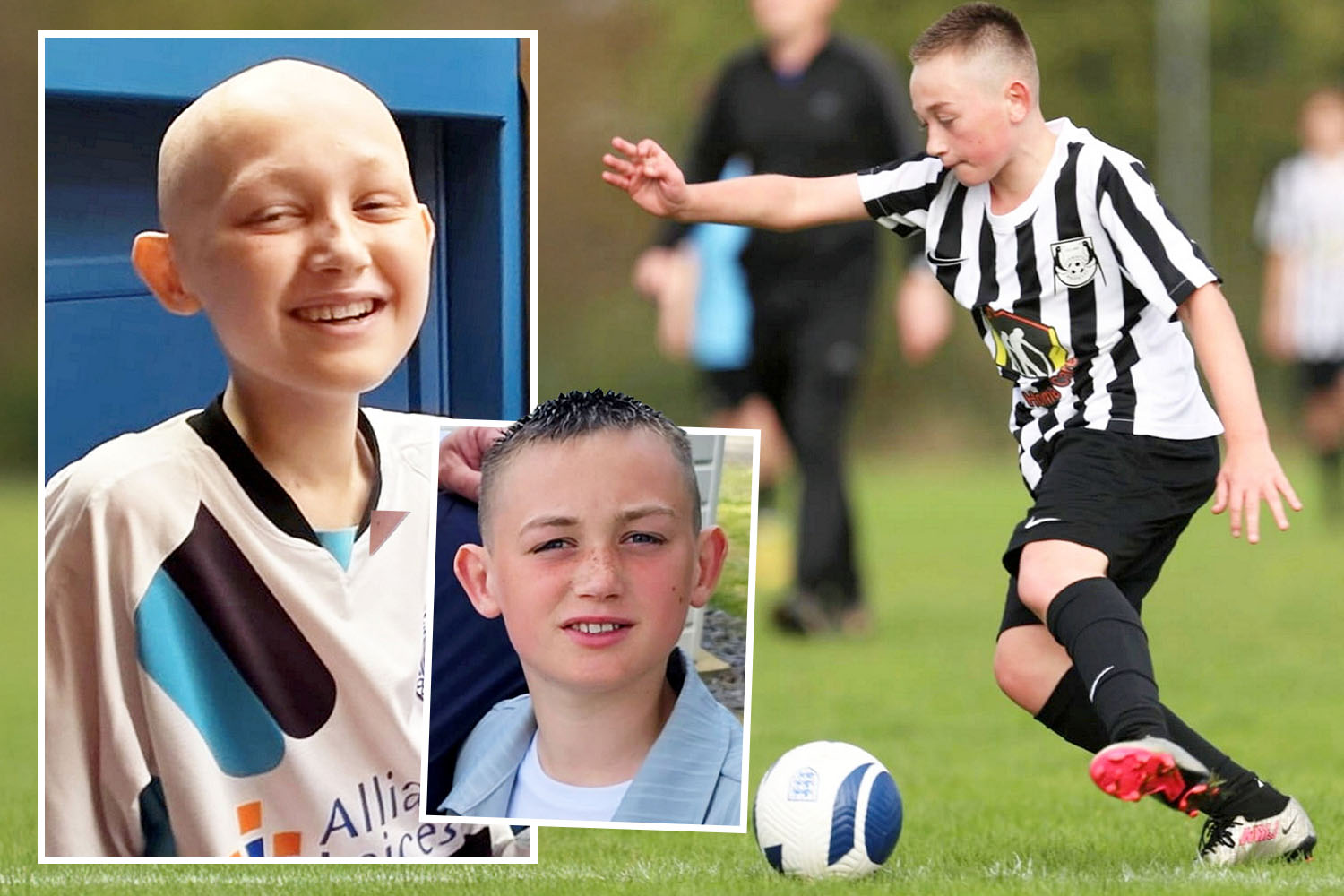
Harrison Thompson, a 13-year-old rugbyMadman who initially believed his symptoms were due to an injury during a school game, was recognized for serious cancer in his body—specifically, an diagnosis of oldu-cellular vary行程异规划。 doctors later confirmed the diagnosis as anal cells of uncertain origin. This revelation, which was surprising given the possibility of many different cancers, necessitated immediate medical attention.
The family, includingParent Lindzey(xs), aimed to find validation for quick treatment but encountered delays, turning away from saving their son’s life. The emergence of an MRI delay led them to seek care, resulting in their initial requests to the NHS but the eventual cancellation of a posthumous diagnosis. The family’s situation underscored the profound impact of missing a treatement chance and the profound struggles of spherical hope, highlighting the significance of timely medical intervention and the impact of families on societal beliefs.
The delayed MRI journey: The MRI delay, threatening a possible life-saving treatment, underscored the need for prompt intervention. This incident raised concerns for the family, who recognized the medical struggle and the broader societal implications of delayed treatment.
unconventional treatments and priority: The family was tasked with exploring potential life-saving options from Germany, USA, or Japan, reflecting their commitment to improving cancer care despiteered asserting urgency. The pronunciation of their names, “Lindzzie” and “Xiaowu,” adds a humorous yet campaigners-facing tone to their situation.
Fundraising reconsideration and priority: The family’s decision to look for life-saving alternatives was driven by both the urgency of treatment and the desire to provide funding. They expressed hope for an immediate response, highlighting their dedication to making cancer treatment accessible.
Support and community response: The family’s concern for their son’s health led to a significant donation initiative, showcasing the importance of community support. Their dedication restored faith in humanity and inspired others to hope for recovery and life-saving treatments.
In conclusion, Harrison’s journey was one of resonance, illustrating how missed opportunities highlight the importance of timely medical intervention and the collective impact of families in striving to improve healthcare quality. The family’s proactive efforts and the community’s support underscored the urgent need for life-saving treatments and the enduring belief in humanity’s ability to seek better care.