



Christmas, a time traditionally associated with joy and family togetherness, can also be a period when underlying health issues become more apparent. While seemingly innocuous festive indulgences and minor complaints can be dismissed as part of the season, they may actually signal serious health conditions. The increased interaction with family members during this time provides an opportunity to observe potential red flags and encourage loved ones to seek medical attention. The NHS has highlighted the importance of being vigilant for early signs of dementia, particularly as extended families gather, potentially noticing changes that might otherwise go unnoticed. But dementia is not the only concern. This festive period offers a chance to be mindful of potential indicators of several life-threatening conditions, enabling proactive steps towards a healthier future.
Dementia, often a slow-developing condition, can manifest in subtle ways that become more noticeable during extended family gatherings. Forgetting names, disorientation in unfamiliar surroundings, and struggling with changes in routine are potential early indicators. Repetition in conversation, difficulty following complex discussions, and unexplained withdrawal or anxiety can also be warning signs. Even seemingly minor changes in handwriting or coherence in Christmas cards can be subtle clues. Open and honest communication with loved ones about observed changes is crucial for early diagnosis and intervention. For individuals concerned about their own cognitive function, difficulty recalling recent events, struggling with familiar tasks, or experiencing persistent memory lapses beyond normal age-related forgetfulness warrant medical consultation.
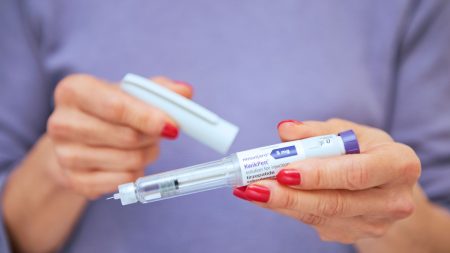
Diabetes, a condition affecting the body’s ability to regulate blood sugar, can also present with subtle symptoms during the festive season. Increased sugar intake and changes in activity levels can exacerbate existing diabetes or unmask undiagnosed cases. Frequent urination, especially at night, excessive thirst, unexplained weight loss, and persistent fatigue are common symptoms of both Type 1 and Type 2 diabetes. A fruity or sweet-smelling breath can be an additional indicator of Type 2 diabetes. Persistent thirst, frequent urination, slow-healing wounds, blurry vision, and genital itching, even after the festive period, should prompt a visit to the GP for a blood test. Unexplained skin breakouts, especially in women outside their usual menstrual cycle, could also be linked to Type 1 diabetes and require medical investigation.
Parkinson’s disease, a neurodegenerative disorder, can manifest in various ways, some of which might be more noticeable during intimate holiday gatherings. Changes in libido, erectile dysfunction in men, and vaginal dryness in women, alongside difficulty achieving orgasm, can be linked to Parkinson’s-related dopamine fluctuations. Tremors, particularly in the hands, balance problems, falls, drooling, and excessive sweating are other potential indicators. Difficulty with fine motor skills like writing, buttoning clothes, or using a phone, along with a diminished sense of smell or difficulty swallowing, also warrant further investigation. These seemingly minor inconveniences can significantly impact daily life and should not be ignored.
Bowel cancer, a significant health concern, can also present with subtle symptoms easily masked by festive indulgence. Loss of appetite, persistent abdominal pain, particularly localized pain that doesn’t subside after digestion, should be taken seriously and investigated promptly. Unexplained fatigue, shortness of breath, and headaches can also be linked to bowel cancer-induced anemia. Changes in bowel habits, including blood in stools, persistent diarrhea or constipation, and continuous bloating that extends beyond the immediate post-Christmas meal period, warrant medical attention. These symptoms, while potentially attributable to festive dietary changes, should be investigated if they persist.
Addiction, often exacerbated during periods of stress and celebration, can manifest in behavioral changes noticeable to family members. Increased arguments, neglect of personal hygiene, social withdrawal, secrecy about activities, and the emergence of new, unexplained friendships can be signs of alcohol or drug dependence. Confronting the issue directly, especially when the individual is intoxicated, is generally unproductive. Instead, focusing on the impact of the addiction on aspects of their life they value, such as career or family relationships, can be a more effective approach. Self-reflection on the role of alcohol or drugs in one’s life, particularly if it’s displacing previously enjoyed activities or interfering with responsibilities, is crucial. Seeking professional help from a GP or addiction specialists is essential for both individuals struggling with addiction and their concerned loved ones.
Heart problems, statistically more prevalent during the Christmas season, require immediate attention if symptoms arise. Chest pain, often mistaken for indigestion, should never be ignored, especially if prolonged. Pressure, tightness, squeezing, or a dull ache in the chest, potentially radiating to the shoulders, arms, neck, jaw, back, or stomach, can indicate angina or a heart attack. Sudden, persistent chest discomfort, nausea, sweating, lightheadedness, anxiety, shortness of breath, and swollen feet or ankles are serious warning signs requiring immediate medical assistance. Unexplained shortness of breath during everyday activities, dizziness, lightheadedness, and palpitations, especially in the absence of a respiratory infection, should also be investigated as they can be indicators of heart rhythm irregularities or other cardiac issues. Prompt medical attention is crucial for any suspected heart-related symptoms.