


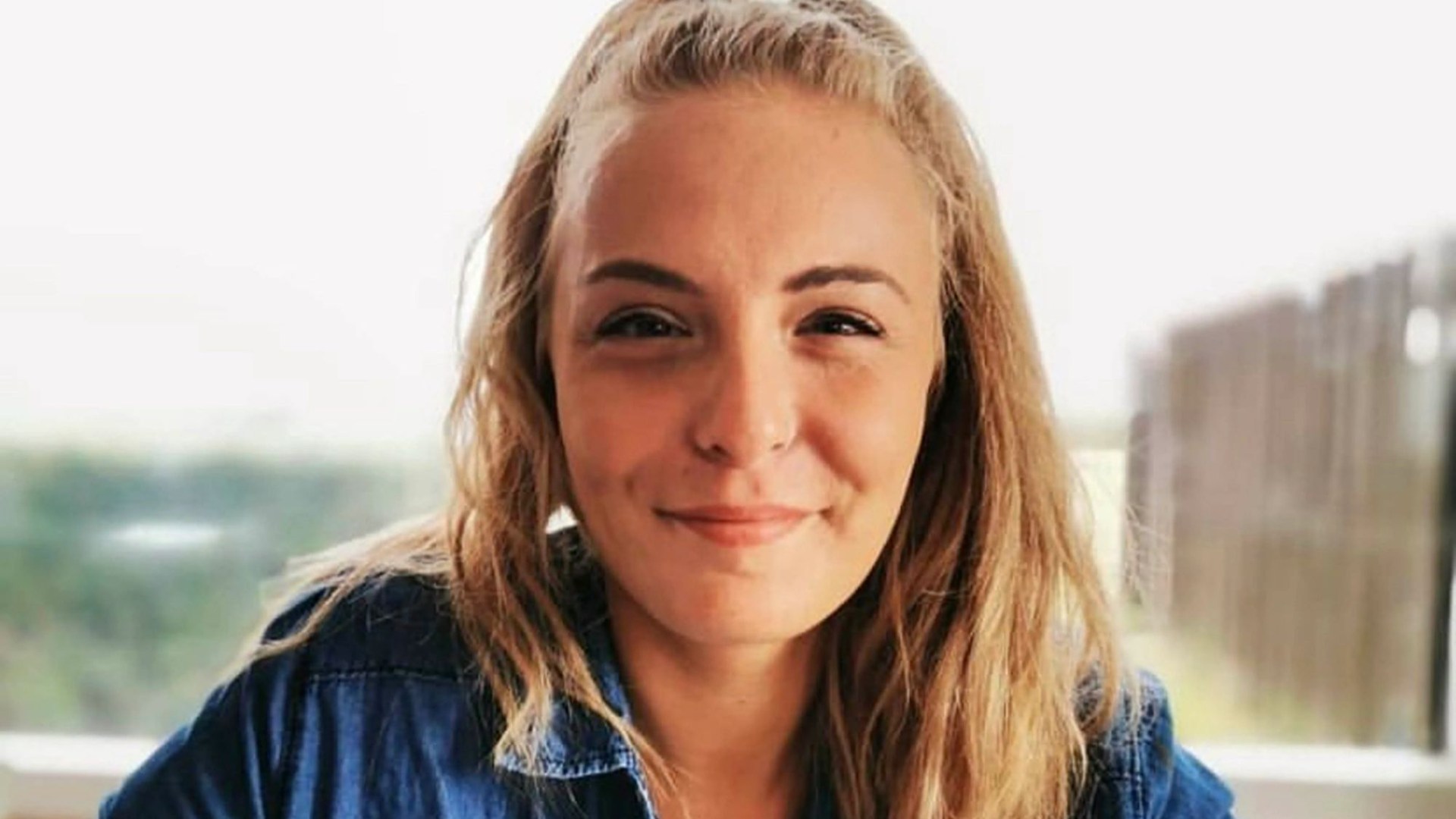
Zoe Bell, a 28-year-old student nurse, tragically passed away from sepsis on Christmas Eve 2022 after a 12-hour wait in the A&E department of Stoke Mandeville Hospital, one of the hospitals where she herself worked extra shifts to fund her studies. Just days prior, on December 18th, she completed her last 12-hour shift before experiencing a sore throat and difficulty speaking. Her condition worsened, leading her boyfriend, Phillip Ayres, to rush her to the hospital on December 23rd, shortly after 10 pm. Despite experiencing severe chest pains approximately 90 minutes after arrival, initial assessments by nurses indicated normal oxygen levels, and tests for tonsillitis were attempted.
The agonizing chest, back, and shoulder pain intensified during the long wait in the A&E waiting area. By 4:30 am on Christmas Eve, Zoe coughed up a small amount of blood. It wasn’t until after 10 am, however, that an X-ray, ordered hours earlier, finally revealed significant fluid buildup in her lungs. Her condition rapidly deteriorated. Her father, Nick Bell, arrived at the hospital just as she was being rushed to the ICU at 12:30 pm. She tragically succumbed to the infection at 6:45 pm that same evening.
A post-mortem examination determined the cause of death to be staphylococcal septicaemia, bronchopneumonia, an acute lung injury due to influenza, and a viral infection. The inquest, held at Beaconsfield Coroner’s Court, concluded that Zoe’s death could not have been prevented. Senior Coroner for Buckinghamshire, Crispin Butler, acknowledged the profound loss of a young, healthy woman dedicated to a career in nursing, while emphasizing that the conclusion did not diminish the tragedy.
Coroner Butler highlighted the busy nature of the A&E department during the Christmas period, which contributed to the prolonged triage and assessment process. He noted that the established procedures were in place and staff were working within that system. He further explained that Zoe’s initial presentation did not indicate severe illness, making it understandable that her case wasn’t immediately escalated. The coroner concluded that even with earlier intervention, the likelihood of effective antibiotic treatment was minimal.
The inquest revealed that while an X-ray was ordered for Zoe at 7:32 am, and a staff member logged in to view it shortly thereafter, the results weren’t escalated until around 10 am. This delay, while acknowledged as a learning opportunity, was deemed inconsequential to the outcome, according to the coroner. He emphasized the rarity and complexity of Zoe’s lung infection, which led to her rapid decline and ultimately untreatable condition given the timeline of her hospital arrival.
While concluding that Zoe died of natural causes, Coroner Butler indicated that he would consider the necessity of a prevention of future deaths report at a subsequent hearing scheduled for January. This suggests a potential examination of hospital procedures, particularly concerning the timely review and escalation of diagnostic tests, to prevent similar tragedies in the future, even though in Zoe’s specific case, earlier intervention might not have altered the outcome. The tragic case highlights the challenges faced by busy A&E departments, especially during peak periods, and the devastating consequences of rapidly progressing infections like sepsis.