
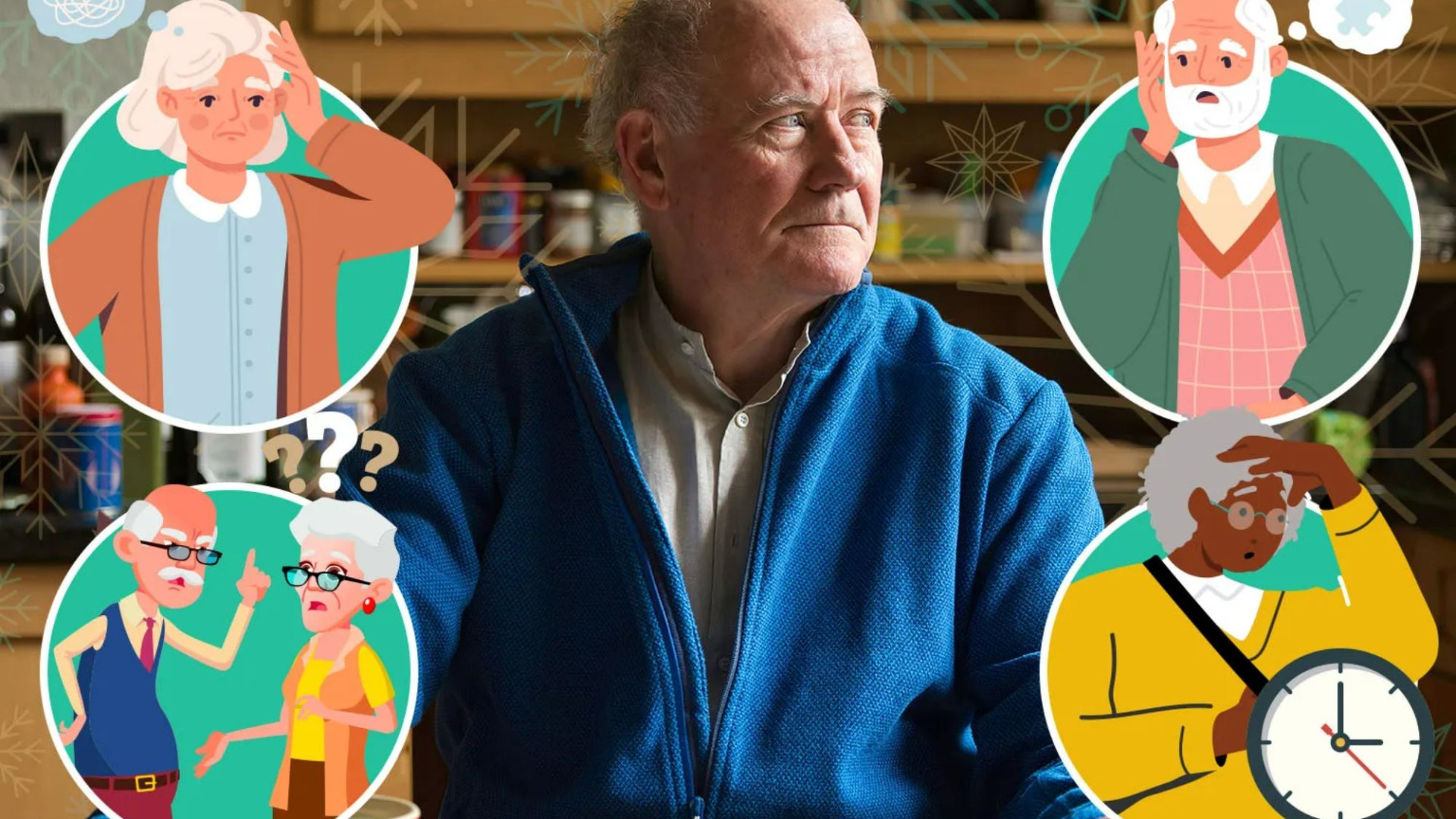
Christmas, a time of festive gatherings and altered routines, can inadvertently reveal early signs of dementia in loved ones. The unfamiliar environment, increased social interaction, and demands on organizational skills can amplify subtle symptoms that might otherwise go unnoticed in daily life. These range from memory lapses beyond typical holiday forgetfulness, such as struggling to recall familiar faces or events, to difficulty with tasks that were once easily managed, like preparing for guests or choosing gifts. Changes in communication, both written and verbal, can also emerge, including shaky handwriting, unusual messaging, repetitive questioning, or difficulty following conversations. These changes can lead to withdrawal from social interaction and increased agitation or anger, further highlighting the potential presence of underlying cognitive decline.
The festive period’s disruption of routine can also exacerbate confusion regarding time and place, particularly for those experiencing early dementia. Unfamiliar meal times, the shorter days of winter, and the later hours associated with holiday celebrations can disorient individuals, leading to anxiety and repeated inquiries about schedules. These disruptions underscore the importance of maintaining a sense of normalcy and routine whenever possible during the holidays, especially for vulnerable individuals. Family members can create a supportive environment by providing clear explanations of schedules and activities, offering gentle reminders, and minimizing sudden changes in routine.
Recognizing these subtle shifts in behavior and cognitive function is crucial, as early diagnosis of dementia offers numerous benefits. It allows for timely access to treatments and therapies that can help manage symptoms and potentially slow the progression of the disease. Early diagnosis also enables individuals and their families to plan for the future, make informed decisions about care arrangements, and access essential support services. Furthermore, it provides an opportunity to participate in research studies that contribute to advancements in dementia care and prevention.
If you observe potential signs of dementia in a loved one during the Christmas season, open and honest communication is paramount. Discuss your concerns with the individual and other family members to gain a clearer understanding of the frequency and severity of the symptoms. Consulting a GP is the next crucial step. While holiday stress and other medical conditions can mimic dementia symptoms, a medical professional can conduct a thorough evaluation, rule out alternative diagnoses, and provide appropriate referrals if necessary.
The NHS emphasizes the importance of seeking a dementia diagnosis, highlighting that England boasts one of the highest diagnosis rates globally. Early diagnosis not only benefits the individual by providing access to necessary support and resources but also contributes to national efforts to understand and combat the disease. The NHS aims to diagnose two-thirds of individuals living with dementia, recognizing that early intervention is key to improving quality of life and promoting better outcomes.
Differentiating between normal age-related memory changes and the onset of dementia can be challenging. While occasional forgetfulness is a common part of aging, dementia presents a more persistent and progressive decline in cognitive abilities. Examples of normal aging include forgetting words or misplacing keys, which can often be recalled with prompting. However, consistent difficulty with conversation, inability to retrace steps to find lost items, or placing objects in illogical locations may indicate a more serious cognitive issue. Seeking professional advice can help determine the underlying cause of these changes and ensure appropriate care and support.