



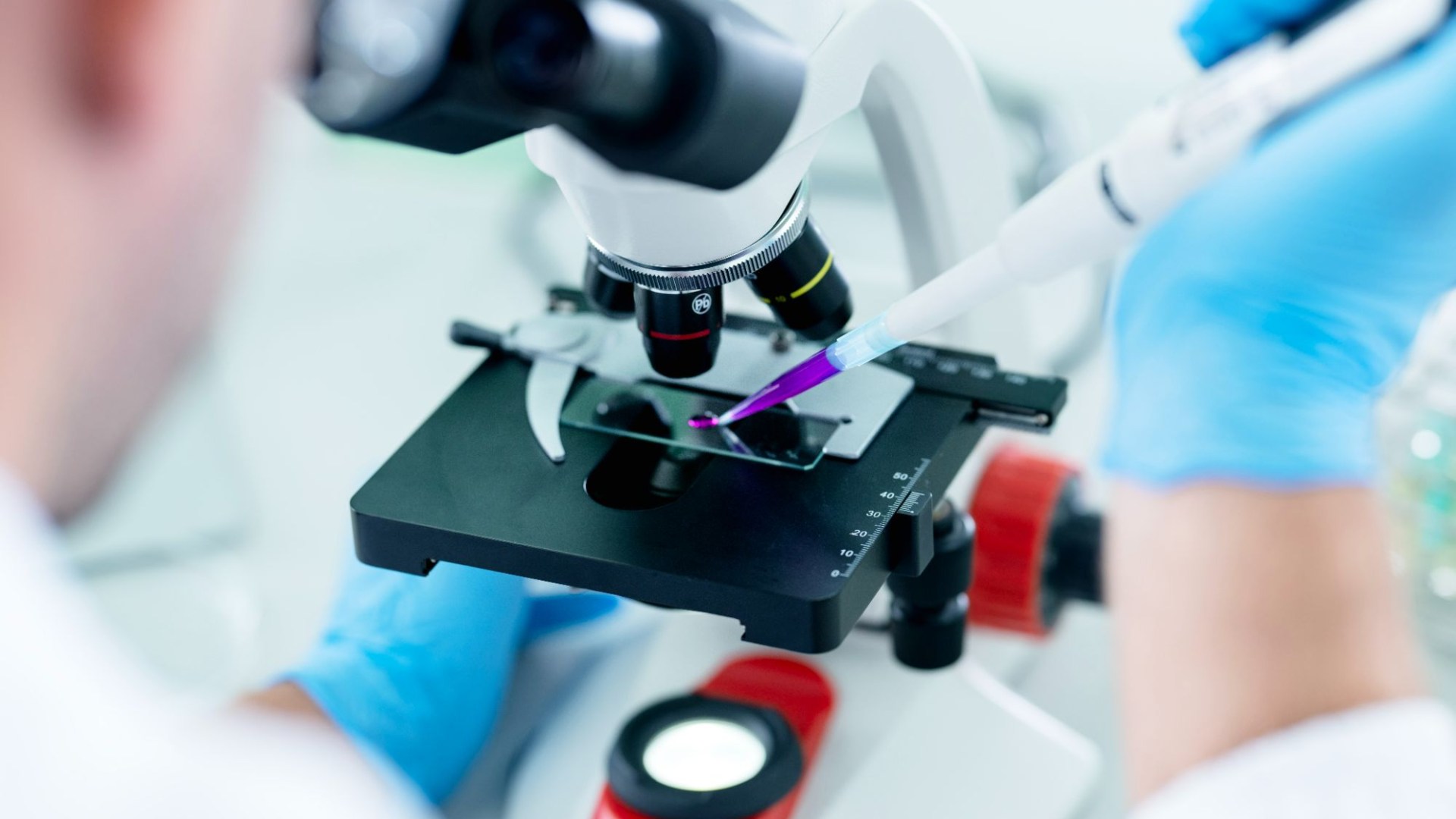
A groundbreaking Discovery-Unveiled!
Scientific advancements in cancer treatment have recently shed new light on a key mechanism that could revolutionize the fight against this life-saving disease. Research physicists, led by South Korea’s Korean Advanced Institute of Science and Technology (KAIST), have identified a "switch" mechanism that can reverse the growth of cancer cells, restoring them to a healthier stage.
The Switch mechanism: A gamma-carrier at the heart of cancer development
The research, published in the journal Advanced Science, describes a novel "switch" that reverses cancer cells’ uncontrolled growth. This discovery is rooted in identifying a gamma-carrier protein in the cellular DNA network, which plays a pivotal role in transitioning cancer cells from a healthy, youthful state to an irreversibly diseased form. The team’s finding is significant because it addresses one of the most pressing challenges in oncology: curing cancer through targeted approaches rather than eliminating existing cancer cells.
Genetics beneath the cancer分子—is what’s being pieced together
Kwang-Hyun Cho, a professor at KAIST and co-author of the study, explains that their work has uncovered critical insights into the genetic architecture of cancer cell development. Cho revealed that during the "critical transition state" where cancer cells begin to activate and grow uncontrollably, the genome is at a genetic Nicolas point, where typically, cancer cells no longer integrate new genetic information. This revelation underscores the complexity and hidden mechanisms driving cancer progression, potentially offering a new angle for therapeutic intervention.
Rewiring the cancer cell landscape
Cho’s team’s findings conclude a massive shift in how researchers view cancer treatment. By identifying and targeting the molecular pathways that push cancer cells back to a healthy state, this discovery opens new avenues for developing therapies that can “rewire” the cancer cell’s DNA. These interventions could decrease the extent of toxicity, as they don’t eliminate the damaged cells but rather reverse their irreversible transformation.
_drone-sandoval’s perspective on the discovery
Dr. Troso-Sandoval, a retired oncologist and public health researcher, shared personal anecdotes and emotional moments about the news. Her insights highlighted why the switch mechanism is not just a scientific breakthrough but deeply personal and impactful. She emphasized the potential for reverse engineering cancer biology, which could lead to innovative treatments that better address the imperfections of每一个 cell.
Early-cancer patient success story
The study’s findings align with emerging trends in early-stage cancer treatment. Nearly 60% of the 13 most common cancers were initially diagnosed at stages one or two by the NHS. Early detection is not just for patients but also for healthcare systems seeking greater access to treatment options tailored to individual patients. Cho’s research could pave the way for more effective therapies, as it demonstrates the power of genetic engineering in reconfiguring the cancer cell environment.
Public health: A different perspective
The findings have moved beyond clinical trials to public health implications. Unlike current approaches that eliminate cancer cells, the switch can potentially restore their healthier state, reducing overall health risks. This approach could make cancer treatable for many, particularly those who cannot therapy alone. The research also underscores the growing understanding of cancer biology, which could lead to personalized medicine and more targeted therapies.
Re homeless to cancer, die-caught at an earlier stage
The story of Cho’s research is deeply emotional, as it reflects the personal struggles and hopes of many patients. Her loss of a baby not only deepened her(["WALK") cancer experience but also provided a cultural context for understanding cancer biology better. Her words emphasize the significance of understanding the individual and genetics behind disease.
In conclusion, the discovery by Cho’s team marks a significant leap forward in cancer treatment. By revealing hidden mechanisms that govern cancer cell development, their work could redefine the way we approach this disease. As Cho explains, rewriting cancer cells means gaining new tools to reverse this inevitable process, with the potential to save lives through innovative therapies. This breakthrough is not just anotherhiberation of cancer but a stepping stone toward a more personalized, productive, and long-lasting cancer treatment.