
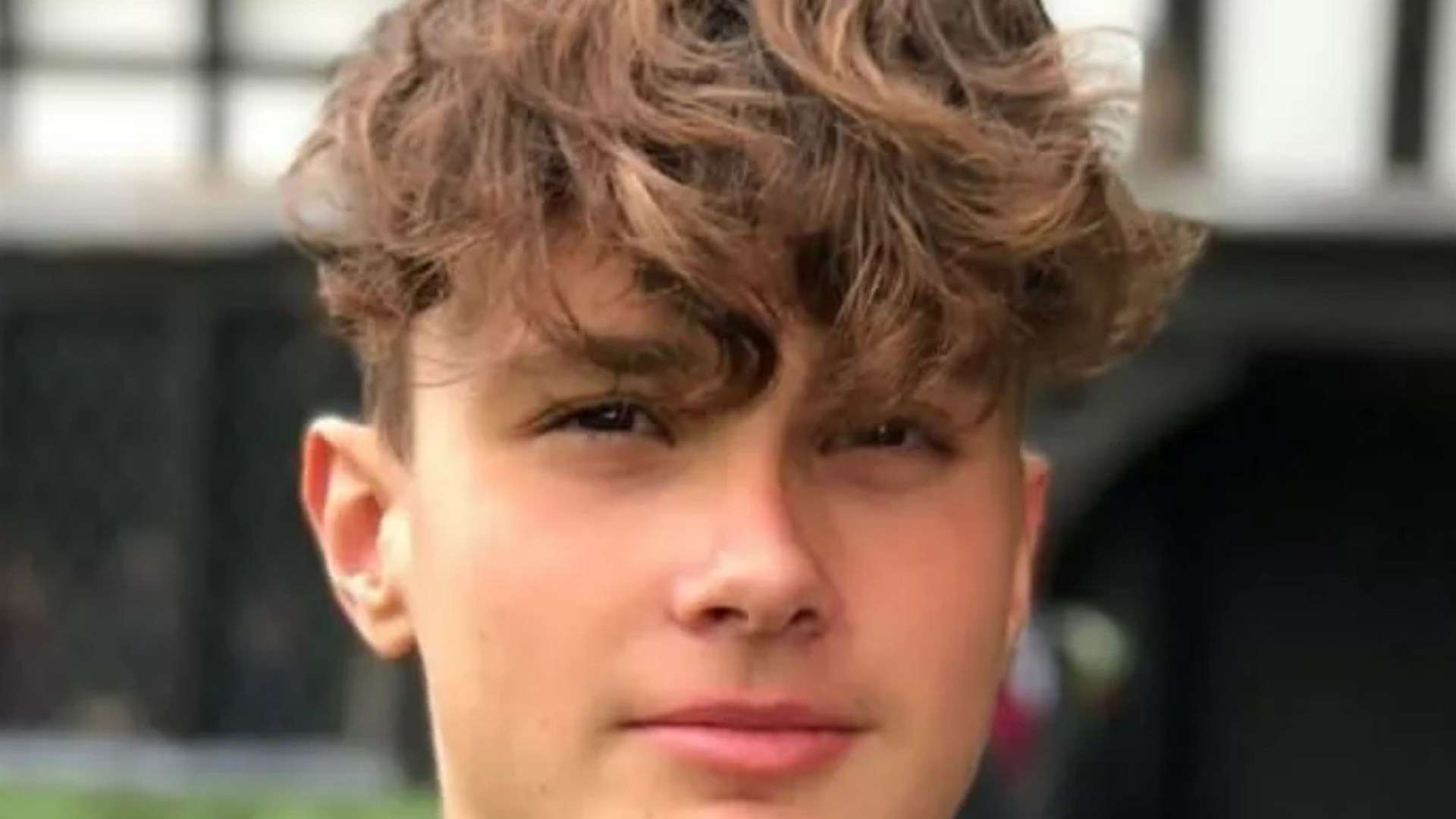
Seventeen-year-old Ethan Treharne’s life was tragically cut short by a rare and aggressive brain tumor, a glioblastoma, just two years after his initial diagnosis. His journey began innocuously, with a seemingly ordinary headache following a Duke of Edinburgh trip. Initially dismissed as exhaustion, the headache quickly escalated into a medical emergency when Ethan texted his father from school, struggling to speak and experiencing facial drooping. A rapid succession of events unfolded: an emergency room visit, scans revealing a brain mass, a blue-light transfer to Southampton for surgery, and the devastating diagnosis of an incurable glioblastoma. This sudden and unexpected turn of events plunged Ethan and his family into a relentless battle against a formidable foe.
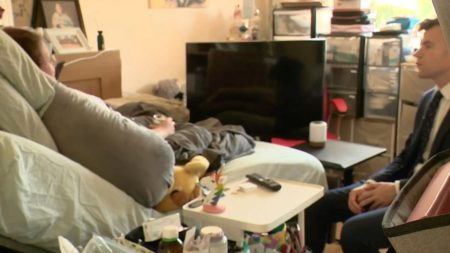
The aggressive nature of Ethan’s tumor necessitated a demanding and taxing treatment regimen. He underwent three craniotomies, chemotherapy, and radiotherapy, each intervention carrying its own set of debilitating side effects. The radiotherapy, while targeting the tumor, also triggered daily seizures. Chemotherapy’s grueling impact was further exacerbated by steroid treatments, which, while necessary, dramatically altered Ethan’s appearance and well-being, adding another layer of distress to an already overwhelming situation. Ethan’s mother, Nikki, describes the treatments as “barbaric and exhausting,” highlighting the immense physical and emotional toll they took on her son. Desperate to explore all available options, the family sought alternative treatments in Germany, unavailable to Ethan in the UK due to his age, underscoring the limitations they faced in accessing potentially beneficial therapies.
Tragically, despite their tireless efforts and Ethan’s unwavering bravery, the tumor ultimately claimed his life at the young age of seventeen. Ethan’s passing left an indelible mark on his family, particularly his mother, Nikki, who subsequently channeled her grief into a powerful force for change. Driven by a desire to support other families navigating similar tragedies and to advocate for advancements in brain tumor treatment and care, Nikki founded The Angel Mums support group. This initiative provides a crucial network of support for bereaved parents while simultaneously raising funds for vital research and resources, ensuring that other families might have access to better options and potentially more hopeful outcomes.
Nikki’s experience has transformed her into a passionate advocate for increased awareness and funding for brain tumor research. She emphasizes the stark reality that brain tumors are the leading cause of cancer-related deaths in children and adults under 40, yet they receive disproportionately low funding compared to other cancers. This disparity, she argues, is unacceptable and contributes to the stagnation in treatment advancements. Nikki highlights the disheartening statistic that treatment protocols for brain tumors have remained largely unchanged for three decades, with a dismal 7% success rate, a stark contrast to the progress made in treating other cancers like breast and blood cancers. This underscores the urgent need for increased investment in research to develop more effective and less debilitating therapies.
Nikki and The Angel Mums are actively working to change this landscape. They advocate for the standard practice of freezing tumor tissue during surgery, a crucial step that facilitates future research, particularly for promising immunotherapy treatments. This forward-thinking approach recognizes the importance of preserving biological material for advancing personalized medicine and developing more targeted therapies. Through their fundraising efforts for the Tessa Jowell Foundation, they strive to contribute to the vital research needed to improve outcomes for those diagnosed with this devastating disease. Their tireless advocacy underscores the urgency of prioritizing brain tumor research, not only to improve survival rates but also to enhance the quality of life for those battling this formidable illness.
The tragic story of Ethan Treharne serves as a stark reminder of the devastating impact of brain tumors, particularly in children and young adults. It highlights the urgent need for increased awareness, research funding, and improved treatment options. Nikki Treharne’s unwavering dedication to honoring her son’s memory through The Angel Mums and her passionate advocacy for change offers a beacon of hope in the face of a devastating disease. Her efforts, coupled with the ongoing work of organizations like the Tessa Jowell Foundation, strive to create a future where more effective treatments are available and families facing a brain tumor diagnosis have access to the support and resources they desperately need. The fight against brain tumors requires a collective effort to ensure that research progresses, treatments improve, and ultimately, lives are saved.