



The festive season, a time of joy and celebration for many, presents a unique set of financial challenges for families with disabled children. The added expenses associated with Christmas, from presents and decorations to festive meals and visiting family, can strain even the most resilient budgets. For families already grappling with the significantly higher cost of living associated with disability, the festive period can become an insurmountable financial hurdle. The charity Scope estimates that disabled households face an average extra cost of £1,010 per month compared to non-disabled households, simply to maintain a similar standard of living. This financial disparity is further exacerbated during December, pushing many families to the brink.
Shellie Warner, a mother from Nottingham, faces the heartbreaking reality of re-gifting her two-year-old son Donny’s birthday presents for Christmas. Donny, who has Down’s syndrome and Hirschsprung’s disease, requires extensive medical care and specialized equipment, leaving Shellie with limited funds for Christmas gifts. While she recognizes the emotional toll this takes, she strives to instill in Donny the value of thoughtful gifting over material possessions. The constant medical expenses, including frequent hospital visits, specialized supplies, and adaptive equipment, consume a significant portion of the family’s income. Shellie estimates spending over £400 on hospital parking alone this year, a stark reminder of the hidden costs associated with disability.
The financial burden extends beyond medical expenses. Donny’s condition necessitates increased utility bills due to the constant need for hot water for bathing and frequent laundry loads. The family also faces the recurring cost of replacing stained clothing and purchasing specialized equipment, such as a £360 buggy. These additional expenses, including nutritional supplements, physiotherapy equipment, and educational support, total over £3,500 annually, placing a significant strain on the family’s finances. Despite her husband covering the household bills, Shellie’s income and benefits are entirely dedicated to Donny’s care, leaving little room for Christmas luxuries.
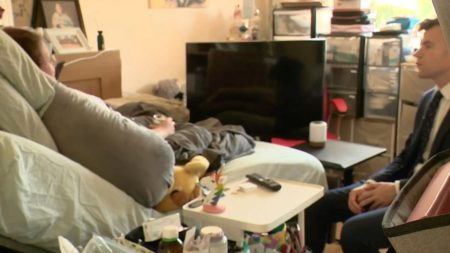
Lucie Gregory, also from Nottingham, shares a similar struggle. Her ten-year-old son Matthew has a rare brain malformation and requires round-the-clock care. Matthew’s condition necessitates a £7,000 wheelchair, private physiotherapy sessions costing £73 every fortnight, and substantial home modifications to ensure accessibility. The family has incurred significant expenses adapting their home, including widening doors, installing a wet room, and building a ramp, with a self-funded £100,000 extension underway. The cost of specialized equipment, sensory toys, and intensive physiotherapy courses adds to their financial burden, sometimes reaching £10,000 annually.
Christmas presents a unique challenge for the Gregory family. Due to Matthew’s condition and the inaccessibility of their relatives’ homes, they are compelled to host Christmas every year, incurring additional costs for food, heating, and electricity. The constant demands of Matthew’s care, coupled with the added responsibilities of hosting, leave Lucie with little respite. Finding suitable gifts for Matthew, who cannot engage with traditional toys or entertainment, poses an additional challenge. John’s salary disqualifies the family from additional welfare support, further limiting their ability to afford specialized gifts for Matthew.
The emotional and financial strain of Christmas is palpable for both Shellie and Lucie. While they strive to create a joyful experience for their children, the financial realities of disability cast a long shadow over the festive season. The inability to provide the same experiences as other children evokes feelings of guilt and inadequacy. The constant worry about finances, coupled with the additional pressures of Christmas preparations, can be overwhelming. Both mothers are supporting Scope’s fundraising appeal, which aims to highlight the hidden costs of Christmas for disabled families and provide crucial support and resources.
Scope’s research on the “Disability Price Tag” quantifies the additional costs faced by disabled households striving for a comparable standard of living. Their 2024 report reveals that disabled households require an average of £1,010 extra per month, a figure representing 67% of their household income after housing costs. This financial burden has steadily increased, underscoring the urgent need for intervention and support. For families with multiple disabled members, the additional costs escalate further, reaching an average of £1,248 per month. These stark figures highlight the systemic financial challenges faced by disabled families, particularly during periods like Christmas, and underscore the vital role of charities like Scope in providing essential support and advocating for policy changes.