

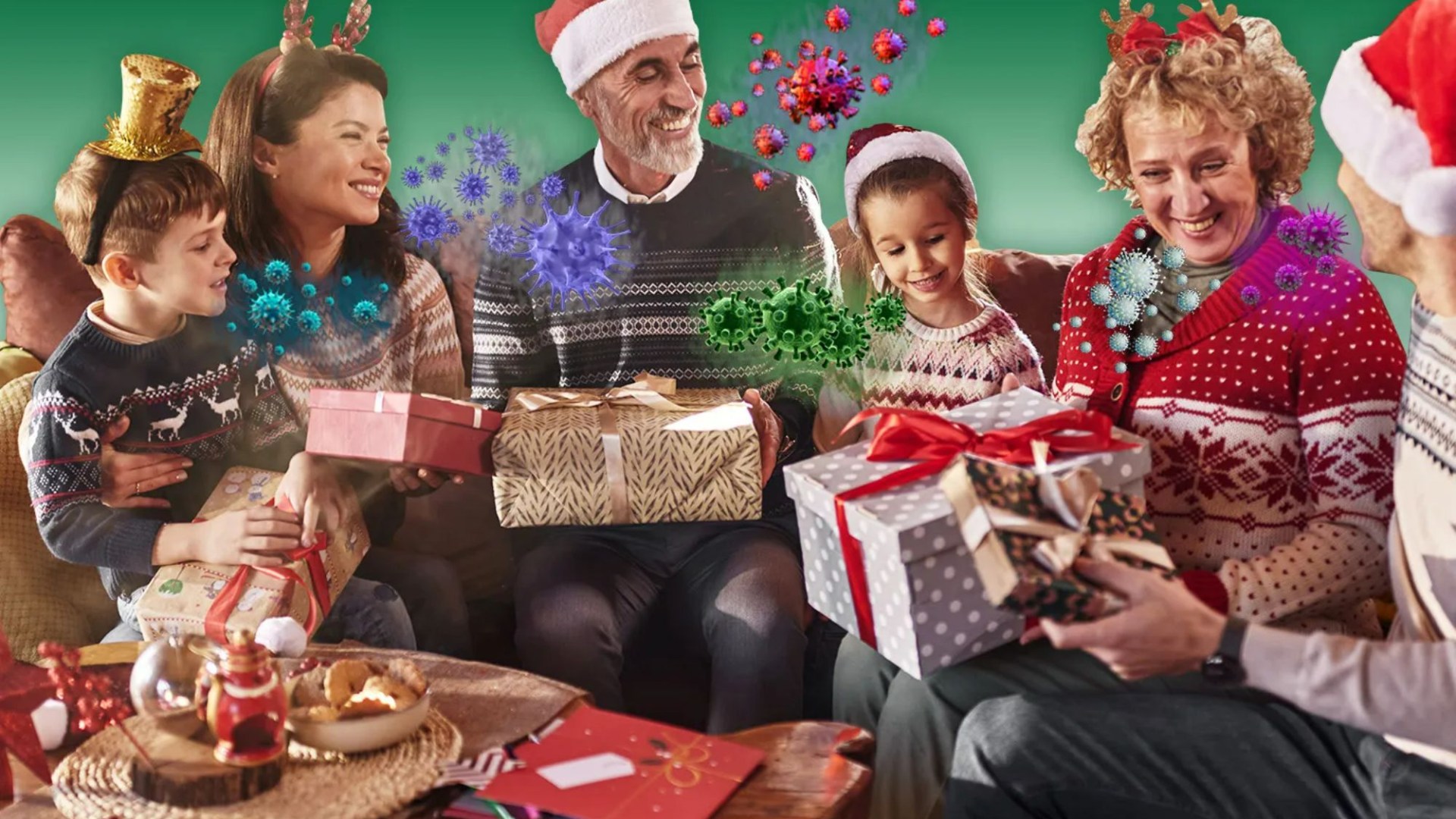
The festive season, while a time of joy and togetherness, also presents a heightened risk of illness due to increased social interaction and the prevalence of winter viruses. The convergence of common colds, flu, and COVID-19, often dubbed a “quad-demic,” creates a perfect storm for the spread of respiratory illnesses. These viruses share similar symptoms, including coughing, sore throat, fatigue, and body aches, making it difficult to distinguish between them. While the urge to participate in holiday festivities is strong, prioritizing health and protecting vulnerable family members, such as young children, elderly grandparents, and pregnant women, is crucial. Attending gatherings while ill can have serious consequences for these individuals, who are more susceptible to complications from even seemingly mild infections.
A range of common illnesses pose particular risks during the Christmas period. Coughs and colds, easily spread by children, can escalate into severe complications for those with pre-existing lung or heart conditions. Influenza, often mistaken for a common cold, is significantly more severe and can lead to hospitalization or even death in vulnerable groups. COVID-19, while generally milder than in previous years, remains a threat to older adults and individuals with compromised immune systems. Norovirus, the dreaded “winter vomiting bug,” is highly contagious and can cause debilitating dehydration, especially in the young and elderly.
Measles and rubella, preventable through vaccination, are also cause for concern. Measles, highly infectious, can lead to serious complications like pneumonia and meningitis. Rubella poses a significant risk to pregnant women, potentially causing severe birth defects. Whooping cough, or pertussis, can be life-threatening for infants and cause prolonged illness in adults. Pneumonia, particularly pneumococcal pneumonia, is a serious lung infection that can be prevented through vaccination, especially for older adults and those with weakened immunity.
Chickenpox, a common childhood illness, is generally mild but can be dangerous for pregnant women and lead to complications like brain inflammation. Shingles, a reactivation of the chickenpox virus, can cause a painful rash and lingering nerve pain. Stress and sleep deprivation can trigger shingles, making the holiday season a particularly vulnerable time. Vaccination is recommended for those over 65 or at higher risk.
If illness strikes during the holidays, prioritizing the health of others is paramount. Avoid contact with family and friends for at least two days after symptoms subside. While vaccination is crucial for long-term protection, it’s important to remember that immunity develops over time, and vaccinations administered close to the holidays may not provide immediate protection.
Managing symptoms effectively can alleviate discomfort and promote recovery. Staying hydrated, resting, and consuming soothing beverages like hot lemon and honey can help. Over-the-counter pain relievers and cough medicines can provide further relief. Consulting a pharmacist for advice and appropriate treatments is also recommended. By taking these precautions and prioritizing health, we can navigate the holiday season safely and protect ourselves and our loved ones from the spread of illness.