


The festive season, with its promise of joyous gatherings and culinary delights, can also harbor unforeseen health risks, particularly surrounding the centerpiece of Christmas celebrations: the dinner. While visions of perfectly roasted turkey and steaming side dishes dance in our heads, it’s crucial to acknowledge the potential dangers lurking in the kitchen and on the dining table. From the moment the turkey is taken out of the freezer to the final consumption of leftovers, careful preparation and adherence to safety guidelines are essential to ensure a healthy and happy Christmas.
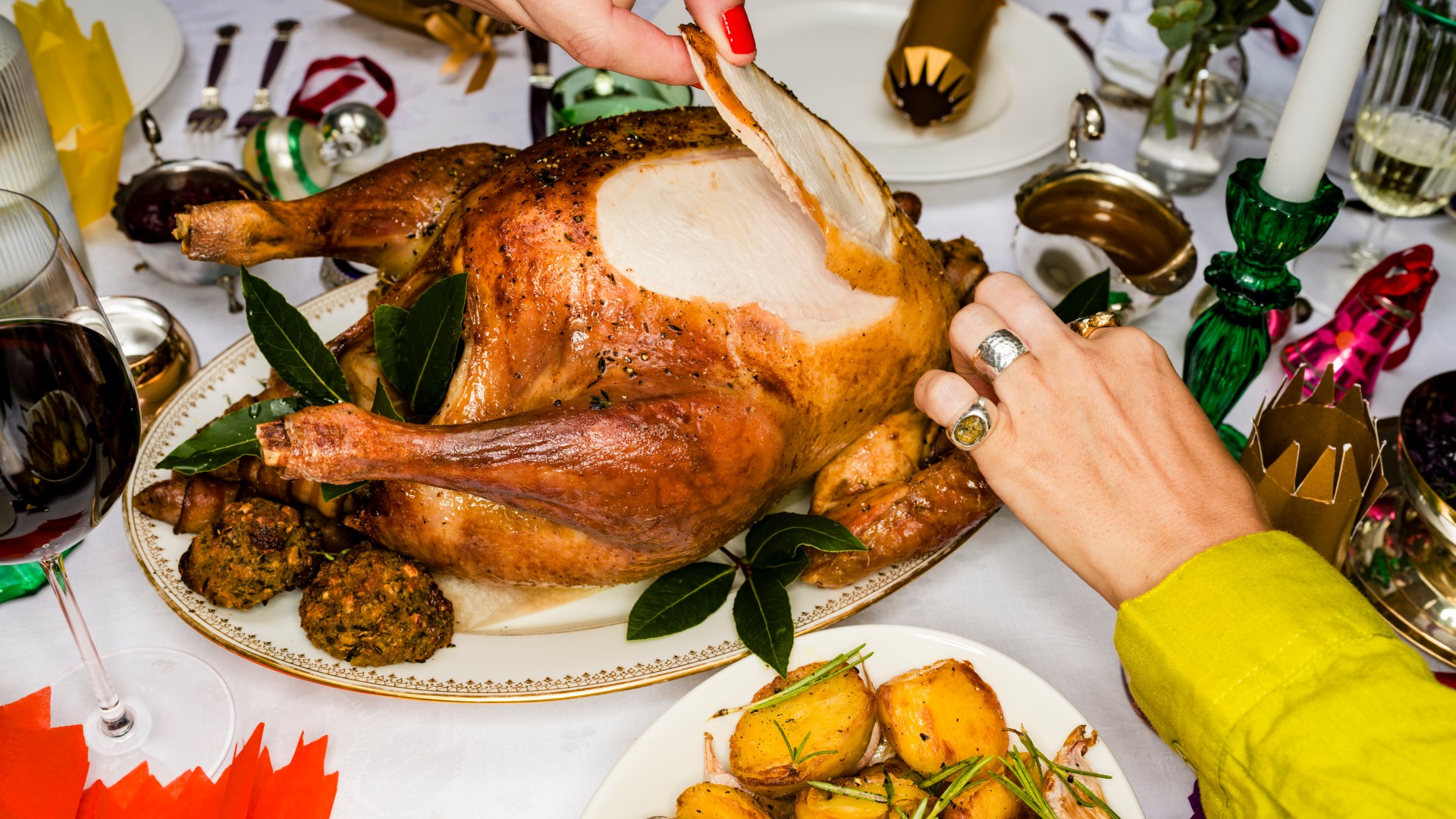
One of the most significant concerns is food poisoning, primarily stemming from improper handling and cooking of the turkey. Undercooked turkey can harbor harmful bacteria like Salmonella and Campylobacter, leading to unpleasant symptoms such as nausea, vomiting, abdominal pain, fever, and diarrhea. Overcooked turkey, while not a bacterial threat, poses a choking hazard due to its dryness. The solution lies in using a meat thermometer to ensure the turkey reaches the correct internal temperature: 75°C for the breast and 80°C for the thighs and drumsticks. Proper defrosting is equally crucial. Frozen turkeys should be thawed in the refrigerator, allowing approximately eight hours per kilogram, ideally completing the process by December 23rd. This meticulous approach eliminates the risk of partially frozen sections during cooking.
Choking hazards are another significant concern, particularly for small items like Brussels sprouts and pigs in blankets. These bite-sized morsels can easily obstruct the airway, especially if consumed quickly or by individuals with swallowing difficulties. Older people and those consuming alcohol are particularly vulnerable due to reduced saliva production and a dampened gag reflex. Preparing vegetables in smaller pieces can mitigate this risk. In the event of choking, prompt action is vital. Five back blows between the shoulder blades, followed by the Heimlich maneuver (abdominal thrusts), can dislodge the obstruction. If the choking persists, immediate medical assistance should be sought.
Kitchen safety extends beyond food preparation to the use of sharp knives. Accidental cuts are common during the festive rush, and while minor cuts can be treated with washing and pressure, severe cuts, particularly those involving squirting blood, require immediate medical attention. If a finger is severed, the detached part should be wrapped in a damp cloth, placed in a plastic bag with ice, and transported to the emergency room along with the injured individual.
Burns from hot cooking fat, scalding liquids, and oven surfaces are also frequent occurrences. Preventive measures include using oven gloves, standing back from the oven when opening the door, and having a fire extinguisher readily available. In case of a burn, immediately remove the heat source and cool the affected area under lukewarm running water for 20-30 minutes. Avoid using ice, cold water, or greasy substances. Cover the burn with cling film and take pain relievers. Large burns, burns on the face or hands, and those involving joints or the genital area require professional medical assessment.
Finally, the proper storage and reheating of leftovers are crucial to prevent bacterial growth and food poisoning. Avoid placing hot food directly into the refrigerator, as this raises the internal temperature and promotes bacterial proliferation. Allow leftovers to cool to room temperature before refrigerating. Turkey and pigs in blankets can be stored for up to three days, while vegetables and potatoes can last up to five. Reheat leftovers only once, ensuring they reach a core temperature of at least 75°C and are steaming hot. Microwaved leftovers should be stirred halfway through to ensure even heating and eliminate cold spots where bacteria can thrive.
By adhering to these safety precautions and remaining vigilant in the kitchen, you can significantly reduce the risk of accidents and illnesses, ensuring a joyous and healthy Christmas celebration for everyone. Remember, preparedness and awareness are the key ingredients to a truly festive and safe holiday season. Enjoy the delicious feast, but prioritize safety every step of the way, from preparation to the last bite of leftover Christmas pudding. The goal is to create happy memories, not emergency room visits, during this special time of year.
Taking these precautions seriously allows everyone to focus on the joy and camaraderie of the season rather than dealing with preventable mishaps. Christmas dinner should be a time for sharing laughter and creating memories, not a source of stress and potential harm. So, while you pass around those heaped plates of festive fare, take a moment to appreciate the effort and care that went into preparing a safe and delicious meal. By prioritizing food safety and kitchen safety, you can ensure that your Christmas celebration remains a truly joyous and memorable occasion.
The statistics highlighting the frequency of Christmas-related accidents and illnesses serve as a stark reminder of the importance of vigilance. One in 20 people ending up in the emergency room over Christmas, with a significant portion of these incidents related to food preparation and consumption, underscores the need for proactive safety measures. By taking the time to understand and implement these guidelines, we can collectively contribute to a safer and healthier holiday season.
Ultimately, the focus of Christmas should be on togetherness and creating cherished memories with loved ones. By prioritizing safety in the kitchen and at the dining table, we can ensure that the festive spirit remains untarnished by preventable accidents and illnesses. A little bit of caution goes a long way in ensuring that Christmas remains a time of joy, laughter, and shared experiences, free from the worry of medical emergencies.
Embrace the festive spirit, savor the delicious food, and cherish the company of your loved ones, but always remember that safety is the most important ingredient in a truly happy and memorable Christmas celebration. By being mindful of potential hazards and taking proactive steps to mitigate risks, we can all contribute to a safer and healthier holiday season. Let the warmth of the season be matched by the warmth of a safe and secure environment, creating a Christmas that is truly joyous and worry-free.