


Resveratrol, a natural compound found in various foods, is currently being investigated in a major NHS trial for its potential to prevent bowel cancer. Preliminary research indicates that resveratrol may inhibit the growth of cancerous cells in the gut and prevent the formation of polyps, which can develop into cancerous tumors. The trial will involve 1,300 individuals aged 50 to 73 who have been identified as having bowel polyps through screening, placing them at a higher risk of developing bowel cancer. This concentrated effort aims to determine whether resveratrol supplements can effectively reduce the risk of bowel cancer in this at-risk population.
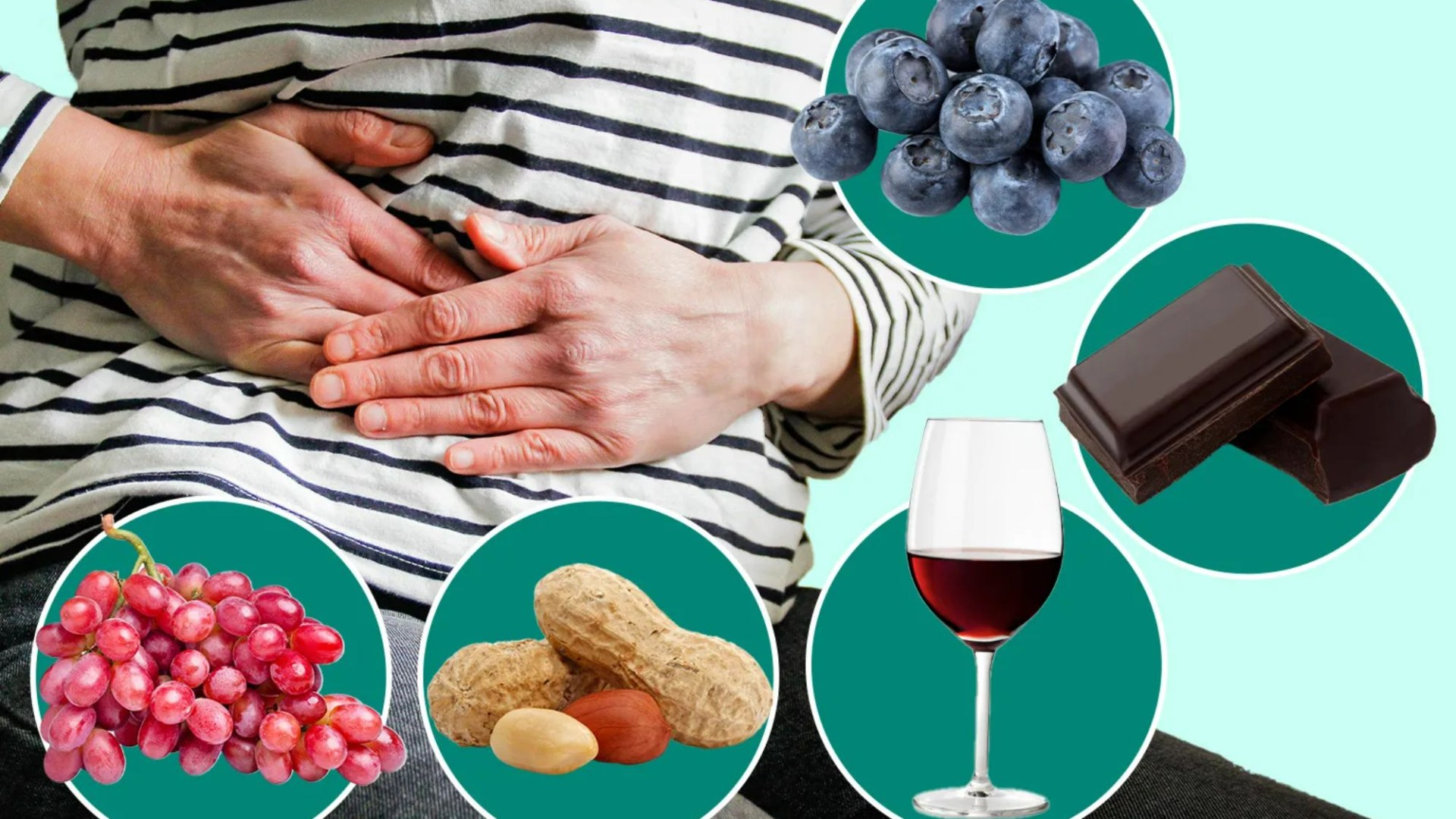
While resveratrol is present in everyday foods like grapes, berries, nuts, chocolate, and red wine, obtaining a therapeutically beneficial dose through diet alone is impractical. Experts estimate that consuming sufficient quantities of these foods for cancer prevention would be physically impossible and potentially unhealthy due to the high intake required. The NHS trial seeks to evaluate the efficacy of concentrated resveratrol supplements, delivering a controlled dose in a convenient pill form. This approach allows researchers to study the compound’s effects without relying on impractical dietary changes.
Although the focus of this trial is bowel cancer prevention, resveratrol has shown promise in other areas of health as well. Studies have suggested its potential in protecting against type 2 diabetes, cardiovascular disease, and even age-related cognitive decline. The compound’s antioxidant and anti-inflammatory properties are believed to contribute to these beneficial effects. While further research is needed to confirm these findings in humans, the evidence suggests that resveratrol may offer a wide range of health benefits beyond cancer prevention.
A closer look at resveratrol’s dietary sources reveals the challenges of obtaining adequate amounts through food alone. Red grapes and red wine are among the richest sources, yet consuming sufficient grapes for a therapeutic dose would require an impractical daily intake. Similarly, achieving the desired resveratrol level through red wine consumption would involve excessive alcohol intake, posing health risks that outweigh any potential benefits. While moderate red wine consumption has been linked to some health benefits in certain studies, excessive alcohol use is known to increase the risk of several cancers, including bowel cancer.
Other dietary sources of resveratrol, such as blueberries, cranberries, peanuts, dark chocolate, mulberries, and pistachios, offer valuable nutrients and antioxidants. However, the resveratrol content in these foods is generally lower than in grapes or red wine. While incorporating these foods into a balanced diet can contribute to overall health, they are unlikely to provide the concentrated dose of resveratrol being investigated in the NHS trial. The trial’s use of supplements allows for a controlled and consistent dose, facilitating a more precise evaluation of the compound’s potential benefits.
Beyond its potential in cancer prevention, resveratrol has been studied for its impact on various health conditions. Research indicates that resveratrol supplements may improve blood sugar control in individuals with diabetes, offering a potential complementary approach to managing this metabolic disorder. Promising findings also suggest that resveratrol may protect against some early biomarkers of Alzheimer’s disease and improve cognitive function in certain populations. Furthermore, studies have explored resveratrol’s potential in preventing osteoporosis in postmenopausal women, highlighting the compound’s diverse range of potential health applications. While these findings are still preliminary, they warrant further investigation to fully understand resveratrol’s therapeutic potential across various health domains.