



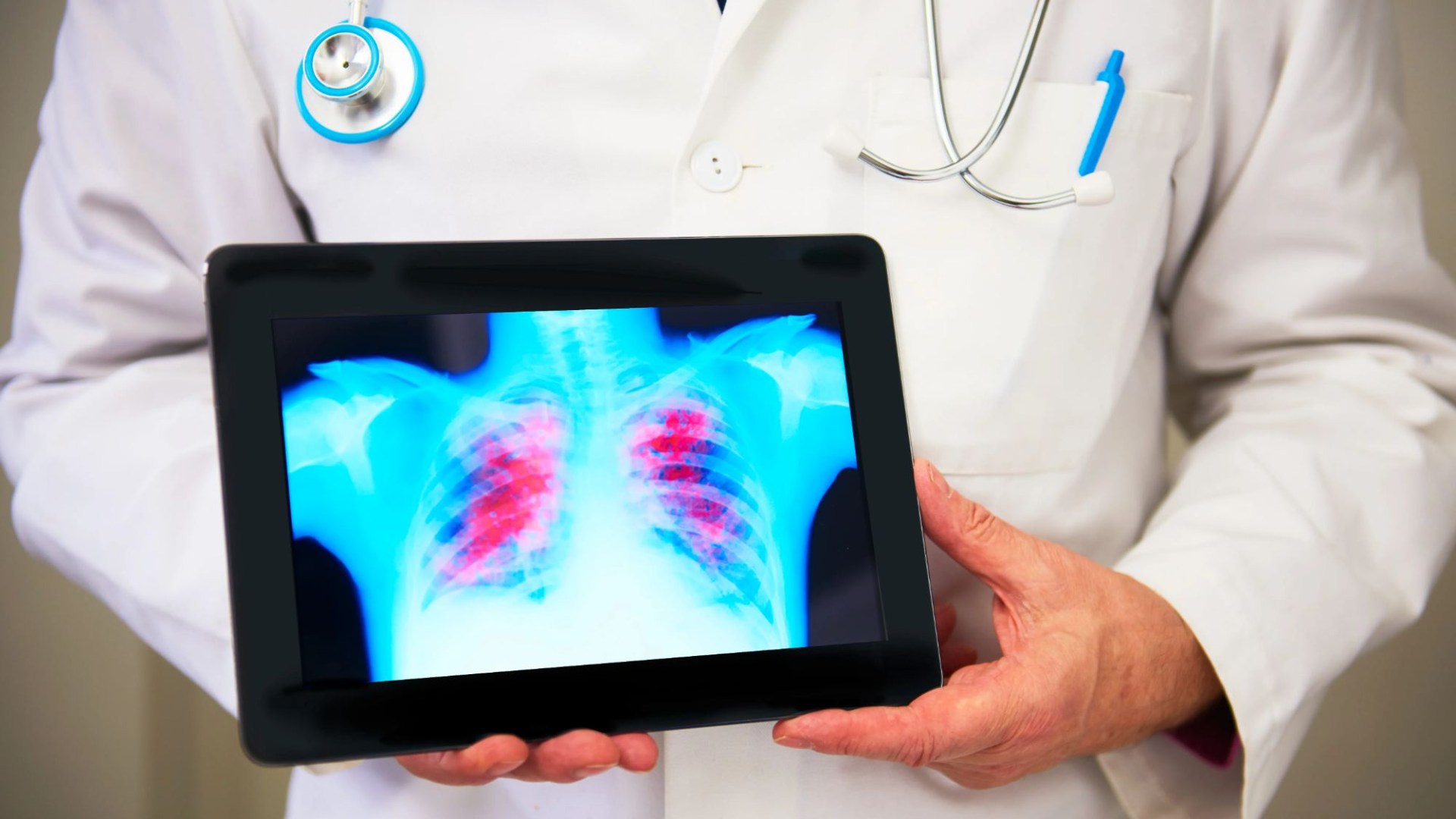
The early diagnosis of lung cancer is crucial for improving survival rates, and experts are advocating for a system that allows individuals with symptoms to self-refer for chest x-rays, bypassing the need for a GP referral. This approach aims to expedite the diagnostic process, particularly given the current challenges in accessing primary care services. Pilot programs in regions like Leeds and Greater Manchester have demonstrated the feasibility of self-referral, with patients experiencing symptoms such as persistent cough, fatigue, and shortness of breath able to directly access radiology services. The results of these x-rays are then shared with the patient’s GP, ensuring continuity of care. While this system has the potential to alleviate pressure on the NHS, it’s important to note that current programs have eligibility criteria, including experiencing symptoms for a specified duration and being over a certain age.
The call for nationwide adoption of self-referral for chest x-rays stems from the recognition that early detection of lung cancer significantly impacts treatment outcomes. The similarity in lung cancer detection rates between self-referred patients and those referred by GPs further supports the effectiveness of this approach. By empowering individuals to take proactive steps in their health management, self-referral can potentially reduce diagnostic delays and improve the chances of early intervention. This is particularly important for lung cancer, as symptoms often appear late in the disease’s progression, making early detection through screening and prompt investigation of symptoms paramount.
To optimize the impact of self-referral programs, experts recommend collecting data on GP-requested chest x-rays to identify areas where self-referral could be most beneficial. Furthermore, public awareness campaigns about lung cancer symptoms should target both smokers and non-smokers, emphasizing that the disease can affect anyone. By broadening the reach of these campaigns, more individuals can be informed about potential warning signs and encouraged to seek timely medical attention. This is crucial, as many people may attribute persistent coughs or other symptoms to less serious conditions, delaying the diagnosis of lung cancer.
Lung cancer remains a leading cause of cancer-related deaths, and improving early diagnosis is a critical strategy for enhancing survival rates. While the NHS is expanding its lung cancer screening programs for high-risk individuals, self-referral for chest x-rays offers a complementary approach to detecting the disease in a wider population. This strategy empowers individuals to take control of their health and seek timely medical evaluation when experiencing symptoms suggestive of lung cancer. Coupled with increased public awareness campaigns, self-referral can play a vital role in reducing diagnostic delays and improving lung cancer outcomes.
The experiences of patients like Nick Whitehead, whose lung cancer diagnosis was delayed despite repeated visits to his GP, highlight the potential benefits of self-referral. Mr. Whitehead’s case underscores the importance of readily accessible diagnostic pathways, especially for individuals who may not meet the criteria for existing screening programs. By providing a mechanism for self-referral, individuals experiencing persistent symptoms can take proactive steps towards early diagnosis, even if their GP hasn’t yet recommended further investigations. This can be life-saving, as early detection of lung cancer significantly improves treatment options and prognosis.
The push for expanding self-referral services aligns with broader efforts to improve cancer care within the NHS. Initiatives like the targeted lung cancer screening program, set to be available nationwide by 2029, demonstrate the commitment to early detection. By combining these targeted screening programs with broader access to diagnostic tools like chest x-rays through self-referral, the NHS can significantly improve lung cancer outcomes. This comprehensive approach, encompassing prevention, early diagnosis, and improved treatment access, is essential for tackling this deadly disease and giving patients the best possible chance of survival.