



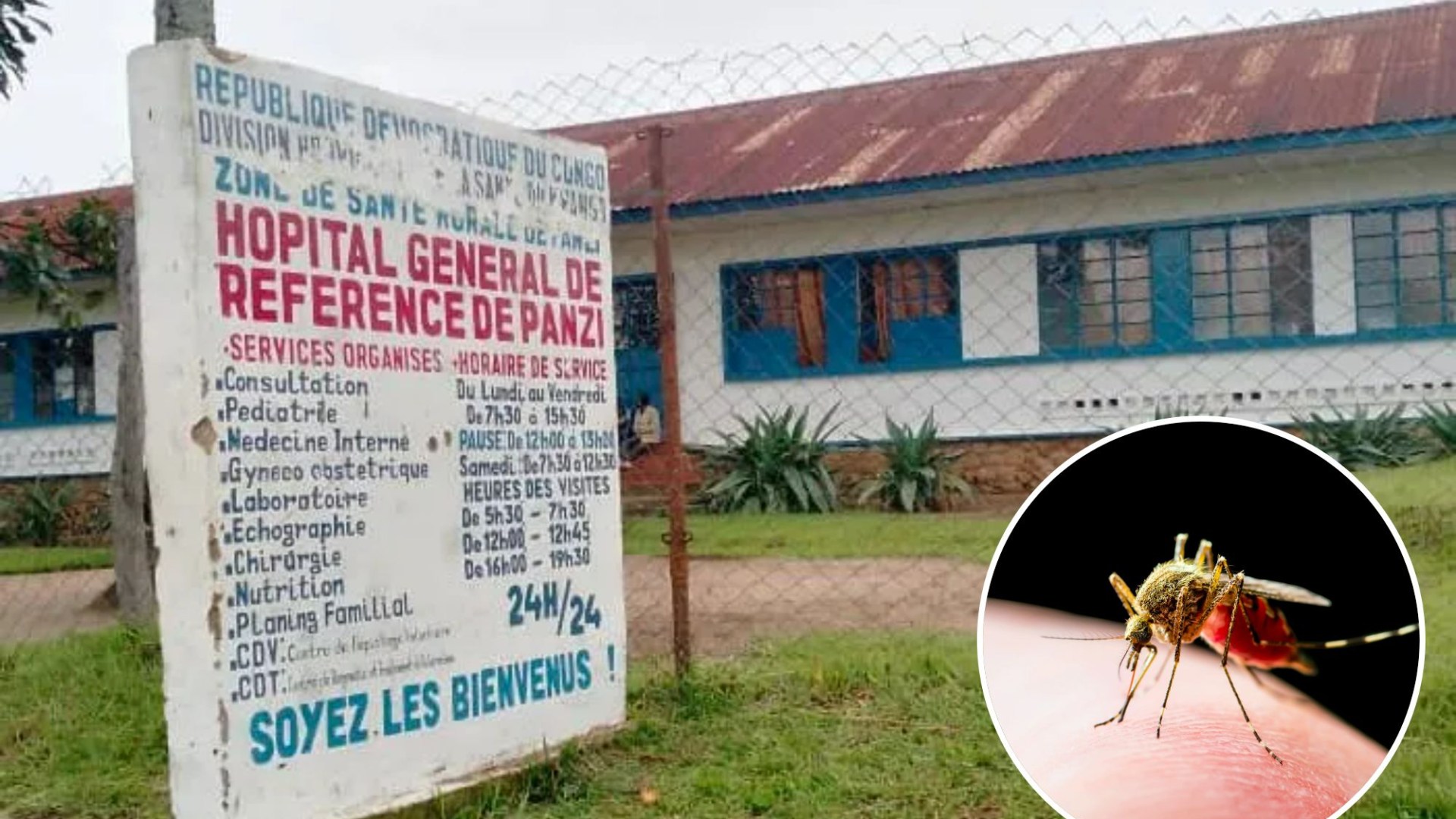
The Democratic Republic of Congo (DRC) has identified the cause of a mysterious illness that has claimed over 140 lives in the Kwango province since November 2023. Initially dubbed a “mystery disease,” and prompting speculation of a novel pathogen, or “Disease X”, the illness has been confirmed as severe malaria manifesting with respiratory symptoms, further complicated by malnutrition in affected individuals. The outbreak has disproportionately affected children under 14, many of whom exhibited respiratory distress and anemia, contributing to the high mortality rate. While malaria is typically associated with fever, chills, headache, and body aches, the respiratory presentation in this outbreak initially confounded diagnosis. The World Health Organization (WHO), having dispatched a team of experts to the region, corroborated the findings, emphasizing that this was a known disease presenting in an unusual manner, and not a completely new pathogen.
The confirmation of severe malaria as the culprit underscores the ongoing challenge posed by this mosquito-borne disease, particularly in regions with limited healthcare resources. The remote location of the affected area, Panzi zone, hampered timely diagnosis due to inadequate testing facilities. The WHO and DRC health ministry have deployed resources, including anti-malarial medications and health kits, to the region to combat the outbreak and support treatment efforts. The identification of the disease allows for a targeted response focused on malaria control measures and addressing the underlying malnutrition that exacerbates the illness.
Malaria remains a significant global health concern, responsible for nearly 600,000 deaths annually, with the DRC bearing a substantial portion of this burden. It is the leading cause of death in the country, accounting for 12% of all fatalities. This highlights the urgent need for continued investment in malaria prevention and treatment strategies, especially in vulnerable populations. The outbreak in Kwango province serves as a stark reminder of the devastating consequences of malaria and the importance of strengthening health systems to effectively manage such outbreaks.
The initial uncertainty surrounding the disease’s nature underscores the complexity of diagnosing infectious diseases, particularly in resource-constrained settings. While rapid diagnostic tests offered preliminary indications of malaria, further confirmation was essential to ensure appropriate interventions. The lack of adequate testing facilities in the affected region necessitated the involvement of the WHO and the deployment of specialized teams to collect and analyze samples. This delay in definitive diagnosis highlights the critical need for strengthening diagnostic capacity in underserved areas to facilitate timely and effective responses to disease outbreaks.
The severe malaria outbreak in the DRC, complicated by respiratory symptoms and malnutrition, presents a multifaceted challenge that demands a comprehensive approach. Addressing the outbreak requires not only effective malaria treatment but also strategies to improve nutritional status, particularly among children. Malnutrition weakens the immune system, making individuals more susceptible to infections and increasing the severity of illness. Integrated interventions that combine malaria control measures with nutritional support are essential to effectively combat this outbreak and prevent future occurrences.
The case of severe malaria mimicking a respiratory illness in the DRC emphasizes the importance of robust surveillance systems and the capacity to rapidly identify and respond to emerging health threats. The initial uncertainty surrounding the disease underscores the need for continuous investment in research and development to improve diagnostic tools and enhance our understanding of infectious diseases. Strengthening health systems, particularly in underserved regions, is crucial to ensure timely and effective responses to outbreaks and mitigate their devastating consequences. The collaborative efforts of the DRC health ministry, the WHO, and other partners are essential to control the current outbreak and implement long-term strategies to prevent future malaria outbreaks and improve overall health outcomes in the region.