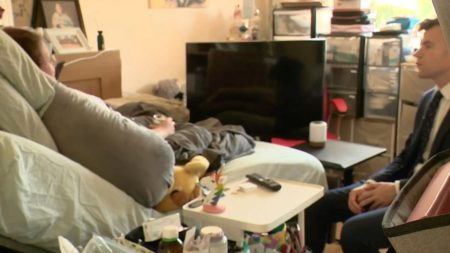




The tragic death of 22-year-old William Hewes from sepsis, following a meningococcal infection that led to meningitis, has cast a harsh light on the challenges of diagnosing and treating this life-threatening condition. William, a healthy and athletic university student, passed away at Homerton Hospital in East London, the very hospital where his mother, Dr. Deborah Burns, works as a consultant pediatrician. Adding another layer of heartbreak to this devastating loss, Dr. Burns witnessed her son’s decline and believes he received inadequate care despite her repeated concerns, which she claims were dismissed by medical staff. This agonizing experience has left her grappling with grief compounded by the frustration of allegedly not being heard by her colleagues, within an institution she has served for over two decades.
The circumstances surrounding William’s death raise serious questions about potential systemic failures within the healthcare system. Dr. Burns’ assertion that her concerns were ignored, despite her professional expertise, points to a potential communication breakdown and a possible disregard for parental instincts, even when expressed by a seasoned medical professional. This case highlights the inherent difficulties in diagnosing sepsis, a condition that often mimics other less severe illnesses, and underscores the critical need for heightened awareness and improved diagnostic protocols, particularly in emergency room settings. The delay in recognizing and treating sepsis can have fatal consequences, as the body’s overwhelming response to infection can rapidly lead to organ failure and death.
The inquest into William’s death, which has been adjourned to allow for a more thorough investigation, will delve into the timeline of his care, seeking to determine whether any delays contributed to the tragic outcome. It will also examine whether there are systemic lessons to be learned from this case that could prevent similar tragedies in the future. Dr. Burns, driven by both personal grief and professional obligation, is determined to ensure that her son’s death serves as a catalyst for change. She hopes to prevent other families from enduring the same anguish by improving the recognition and management of sepsis within the healthcare system. This includes raising awareness among medical professionals about the importance of listening to parental concerns and acting swiftly when sepsis is suspected.
The legal team representing the Hewes family has expressed concerns about the broader implications of this case, highlighting the power imbalance between medical professionals and patients, particularly when patients are already vulnerable and distressed. They argue that if a seasoned pediatrician like Dr. Burns struggled to be heard, the challenges faced by less medically literate individuals are likely even greater. This raises questions about how the healthcare system can better empower patients and families to advocate for themselves and ensure their concerns are taken seriously. The call for greater transparency and accountability within the healthcare system is echoed by sepsis awareness organizations who emphasize the need for robust investigations into cases where sepsis is suspected to have played a role in a patient’s death.
Homerton Hospital, in response to the allegations, has expressed condolences to Dr. Burns and her family, acknowledging the profound impact of William’s death. The hospital maintains that it has taken steps to reinforce awareness of sepsis among its staff, particularly in the A&E department. However, Dr. Burns’ claims of a lack of engagement and resistance from the hospital following her son’s death suggest a disconnect between the hospital’s stated commitment to improvement and the lived experience of the bereaved family. This discrepancy underscores the importance of external scrutiny and independent investigations to ensure that appropriate measures are taken to prevent future tragedies.
This tragic case underscores the urgent need for greater public awareness of sepsis, its symptoms, and the importance of seeking immediate medical attention if it is suspected. Sepsis, often described as the “silent killer,” can progress rapidly, and early recognition is crucial for survival. While medical professionals play a vital role in diagnosing and treating sepsis, individuals also need to be empowered to advocate for their own health and seek medical attention promptly if they experience symptoms such as high fever, chills, confusion, shortness of breath, or a rapid heart rate. Increased public awareness campaigns, combined with improved training for healthcare professionals, are essential to combatting this devastating condition and reducing the number of preventable deaths from sepsis. William Hewes’ case serves as a stark reminder of the human cost of delayed diagnosis and the urgent need for systemic change within the healthcare system.