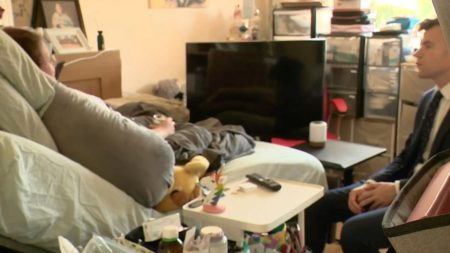


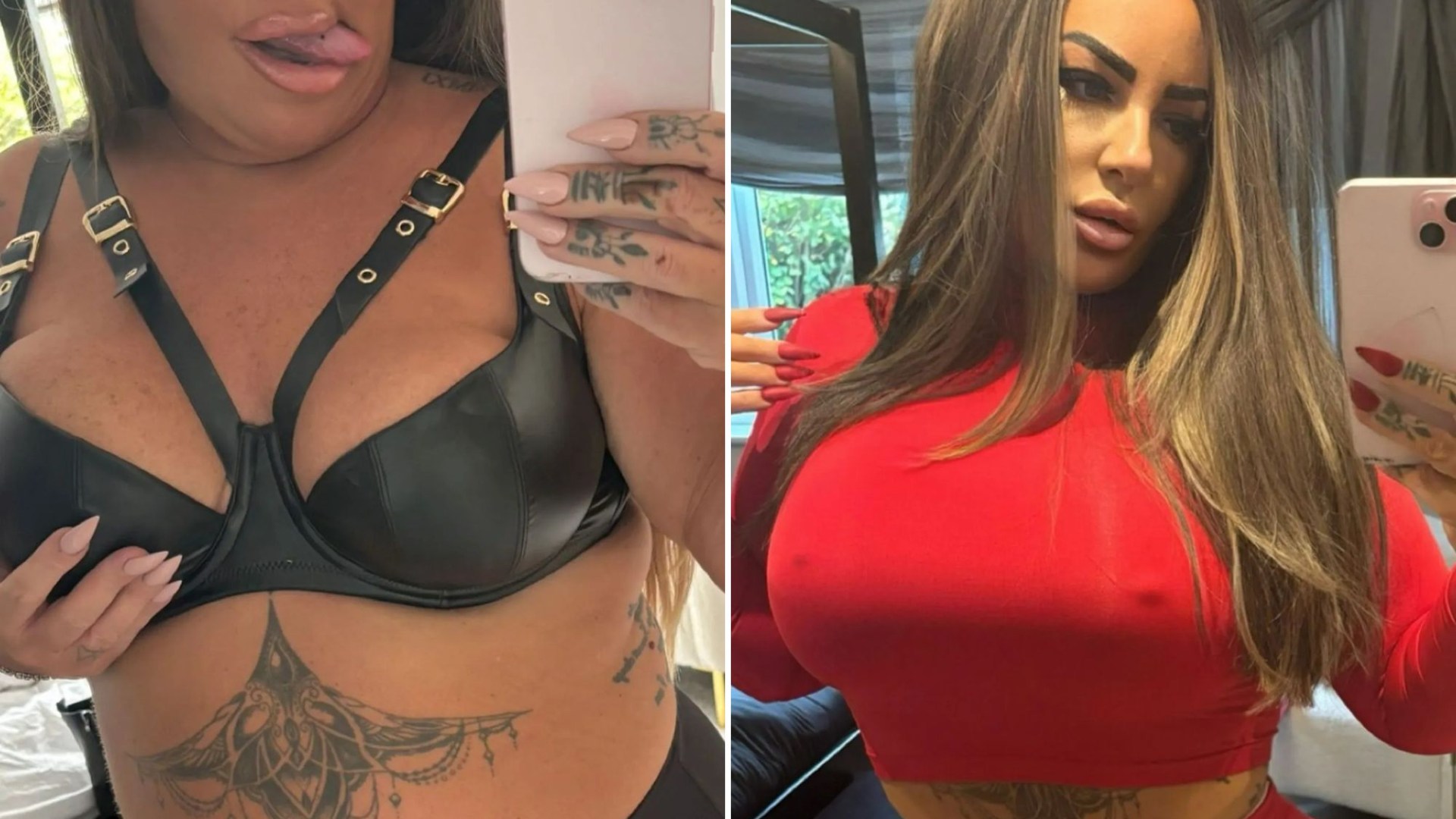
Louisa Anderson-Roy’s pursuit of physical transformation has been marked by a series of harrowing medical complications stemming from multiple cosmetic procedures. Her journey began two decades ago with a seemingly innocuous free breast augmentation in Istanbul, Turkey. However, this initial surgery resulted in a severe infection leading to sepsis and the loss of a portion of her nipple. The experience left her with both physical disfigurement and emotional trauma. In an attempt to rectify the damage, Louisa underwent corrective surgery in London. Tragically, this second procedure also resulted in sepsis, reportedly due to faulty PIP implants that were improperly inserted. The ensuing years saw her undergo a third breast augmentation to replace the faulty implants, but yet again, sepsis struck, leaving her fighting for her life. This repeated ordeal with infections and near-fatal complications understandably instilled a deep fear of further surgical interventions.
Despite her previous traumatic experiences, Louisa’s insecurities about her post-pregnancy weight gain led her to consider a tummy tuck. Her family expressed strong concerns, given her history of complications. Undeterred, she opted for a tummy tuck procedure in Turkey, a decision fueled by both financial considerations and a desire to address her body image concerns. While she acknowledged the risks, particularly given her past experiences with surgery abroad, her dissatisfaction with her weight ultimately pushed her to proceed. The tummy tuck surgery proved successful, without any complications, and further motivated her to lose additional weight. She credits the procedure with being a catalyst for a healthier lifestyle.
Louisa’s story highlights the inherent risks associated with cosmetic surgery, both domestically and abroad. Her experience underscores the importance of thorough research, choosing qualified practitioners, and understanding the potential complications, regardless of the location of the procedure. Her initial experience in Turkey, followed by two further complications in the UK, serves as a cautionary tale against assuming that procedures performed in one’s home country are inherently safer. Her case reinforces the need for diligent patient advocacy and the importance of seeking second opinions.
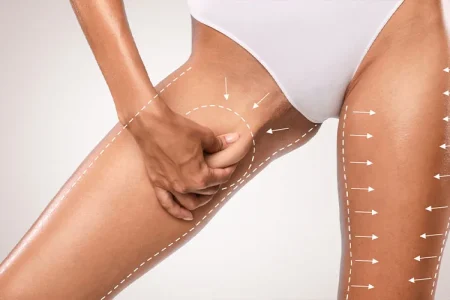
The increasing popularity of cosmetic procedures, coupled with the allure of lower costs abroad, has unfortunately contributed to a rise in botched surgeries. Louisa’s case is not an isolated incident. Reports indicate a concerning trend of individuals experiencing severe complications, including infections, sepsis, and even death, following cosmetic procedures, particularly Brazilian Butt Lifts (BBLs), both abroad and in the UK. The proliferation of unqualified practitioners and inadequate aftercare contribute significantly to these negative outcomes.
Organizations like Save Face are actively campaigning for stricter regulations and increased oversight of the cosmetic surgery industry to protect patients from unqualified practitioners and unsafe practices. The demand for these procedures highlights the need for accessible, accurate information about the risks involved. Greater public awareness can empower individuals to make informed decisions, prioritize safety, and avoid potentially life-threatening complications.
The pursuit of physical perfection can be a powerful motivator, but Louisa’s story serves as a stark reminder that cosmetic surgery is not without significant risks. Her multiple battles with sepsis and the physical and emotional toll they took underscore the need for careful consideration and a thorough understanding of potential complications. The fact that she experienced complications both abroad and in the UK highlights the universal importance of rigorous research and selecting reputable, qualified practitioners, regardless of location. Ultimately, patient safety and well-being should be paramount in any decision to undergo cosmetic surgery.