



Tabby Brown, a 38-year-old Playboy model known for her appearances on “The Bachelor” and relationships with footballers Raheem Sterling and Mario Balotelli, tragically passed away just days after undergoing a Brazilian Butt Lift (BBL) procedure in the Dominican Republic. The inquest into her death revealed that she succumbed to a fat embolism, a rare but known complication of this type of surgery. Brown had kept the procedure a secret from her family, informing them she was embarking on a two-week trip to South America. Upon her return to the UK, she experienced weakness and discomfort, but attributed these symptoms to a viral infection. Tragically, her mother discovered her unresponsive on her apartment floor just days later.
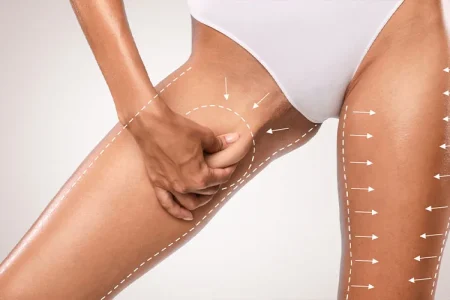
The BBL procedure, which involves liposuctioning fat from the torso and injecting it into the buttocks, has gained immense popularity but carries significant risks, including fat embolisms. Expert testimony at the inquest confirmed that the BBL directly contributed to Brown’s death. The procedure essentially introduces fat into the bloodstream which can travel to the lungs and block blood vessels. This can prevent oxygen from reaching vital organs and ultimately lead to death if untreated, as was the case in Brown’s situation. The coroner’s narrative verdict underscored that the liposuction, an integral part of the BBL, was the underlying cause of the fatal fat embolism.
Brown’s sudden passing shocked her family, friends, and the wider modeling community. Remembered for her infectious laughter, radiant smile, and captivating personality, she had enjoyed a successful career, appearing in music videos for prominent British and American artists and featuring in ad campaigns for well-known brands. Her family expressed their deep sorrow at her untimely death, emphasizing the joy she brought to their lives and the fulfillment she found in pursuing her dreams. They aim to keep her memory alive and cherished within their hearts.
The details surrounding Brown’s death expose the hidden dangers of cosmetic tourism and the allure of procedures like the BBL, particularly among young women influenced by celebrity culture. The increasing popularity of BBLs has been accompanied by a rise in associated complications, making it one of the most dangerous cosmetic procedures available. Many seek out these surgeries abroad, drawn by lower costs and enticing advertising, sometimes at the expense of thorough pre-operative assessments and robust post-operative care. These factors increase the risk of complications like the fat embolism which proved fatal for Brown.
The rise in BBL-related deaths highlights a concerning trend in cosmetic surgery. Several other cases, including the deaths of Kaydell Brown and Alice Webb, underscore the potential risks associated with the procedure when not performed under optimal conditions or when complications arise. These tragedies often stem from improper injection techniques, where fat is inadvertently introduced into the bloodstream instead of the subcutaneous tissue of the buttocks. The quest for a specific body image, often fueled by social media and celebrity trends, can lead individuals to seek quick fixes without fully understanding the potential dangers.
Brown’s case serves as a cautionary tale about the potential risks of cosmetic procedures, particularly those performed abroad, and the need for thorough research and awareness of potential complications. It also highlights the pressure faced by individuals, particularly women, to conform to specific beauty standards, often influenced by social media and celebrity culture. While body positivity movements promote self-acceptance and celebrate diverse body types, the allure of achieving a particular aesthetic can still be powerful. The tragedy of Brown’s passing underscores the importance of prioritizing informed decision-making, seeking qualified and experienced medical professionals, and prioritizing health and well-being over fleeting beauty trends.