


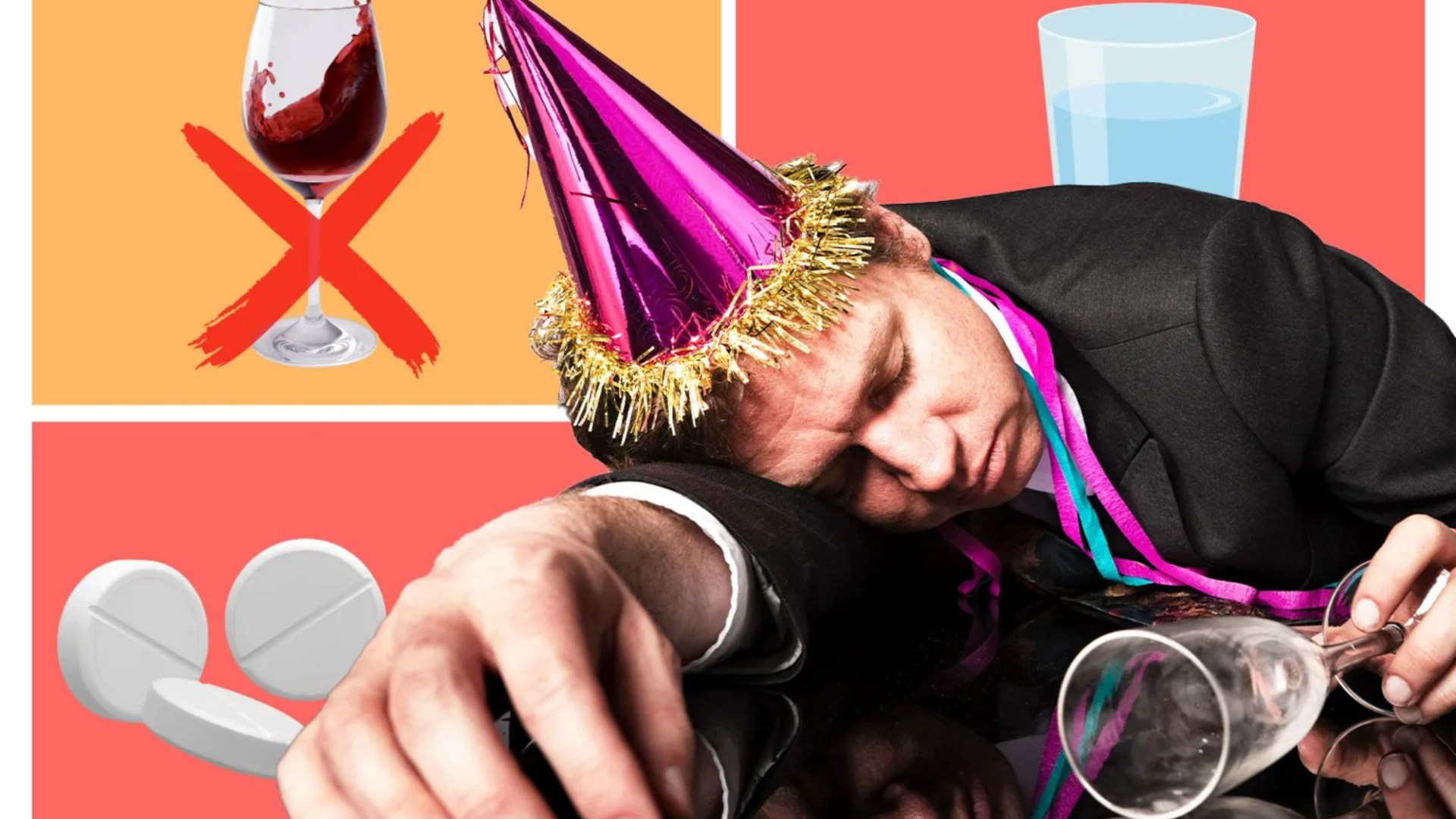
The dreaded hangover, a familiar foe to many, manifests as a symphony of unpleasant sensations: a pounding headache, a parched mouth, and a lingering sense of regret. Especially prevalent during festive seasons, hangovers are an unwelcome consequence of overindulgence. While abstinence remains the only foolproof method of prevention, there are strategies to mitigate the severity of symptoms, even if a “cure” remains elusive. Scientifically validated hangover cures are non-existent, but certain practices can alleviate discomfort.
The first line of defense involves judicious beverage selection. Darker drinks like red wine, whiskey, and brown tequila are often associated with harsher hangovers due to their higher concentration of congeners. These biologically active compounds, including methanol, esters, and tannins, are byproducts of the alcohol production process and contribute to the intensity of hangover symptoms. Opting for lighter-colored drinks can potentially lessen the severity of the after-effects. Hydration is another crucial factor in managing hangovers. While dehydration isn’t the primary cause, it can exacerbate symptoms. Drinking water before bed and upon waking, potentially supplemented with effervescent multivitamins to replenish lost nutrients, can help alleviate discomfort.
Sleep is a powerful ally in hangover recovery. Alcohol disrupts sleep cycles, contributing to the fatigue often experienced the morning after. Prioritizing extra sleep and allowing the body to recover naturally can significantly reduce tiredness. A mild stimulant like coffee can provide a temporary boost if needed. Choosing the right painkiller is also important. While paracetamol is a common choice, anti-inflammatory options like ibuprofen or aspirin are likely more effective for hangover-related pain, which is often linked to inflammation.
Hangover severity varies significantly between individuals, influenced by a complex interplay of genetics, drinking habits, and psychological factors. Genetics play a role in alcohol metabolism. Some individuals have reduced expression of the aldehyde dehydrogenase gene, leading to a flushing reaction and often more severe hangovers. Drinking habits, including the type and amount of alcohol consumed, the speed of consumption, and food intake, also significantly influence hangover intensity. Psychological factors, such as personality traits, pain tolerance, and mindset, further contribute to the experience. Individuals who focus negatively on pain tend to report worse hangovers, and the perceived level of intoxication during drinking can predict the next day’s misery.
Managing the emotional aftermath of a night of drinking is equally important. Hangxiety, the anxiety and regret that often accompany a hangover, can be addressed by engaging in mood-boosting activities. Spending time with friends, enjoying comfort food, or pursuing hobbies can help alleviate negative feelings and promote a sense of well-being. These activities, while not directly addressing the physical symptoms, contribute to overall recovery by improving mental state.
For those concerned about their drinking habits, seeking professional help is crucial. A GP can provide advice, support, and access to resources such as counseling, medication, or detox services. Numerous charities, support groups, and helplines offer assistance and guidance for individuals looking to manage their alcohol consumption and address potential dependency issues. Taking proactive steps to understand and manage drinking habits can contribute to long-term health and well-being.