


Scott Nell’s life took a dramatic turn in November 2017 when he noticed an alarming symptom while working outdoors in the snow. His fingers turned a stark, paper-white color, accompanied by a painful coldness. This initial incident, later identified as Raynaud’s phenomenon, proved to be the first sign of a much more serious health challenge. Over the following months, Scott experienced increasing fatigue, difficulty straightening his limbs, and the appearance of fluid under the skin of his fingers. These accumulating symptoms prompted a visit to his GP, who ordered blood tests. The results revealed the presence of the SCL70 antibody, a marker often associated with scleroderma, a rare autoimmune disease.
Scleroderma, meaning “hardening of the skin,” is a progressive condition characterized by the overproduction of collagen, which leads to the hardening and thickening of the skin and connective tissues. This overproduction can affect various organs, causing serious complications. Scott’s diagnosis was eventually confirmed as diffuse cutaneous systemic sclerosis, a particularly aggressive form of the disease. The diagnosis came after increasing breathing difficulties, which intensified to the point where his airways seemed to shut off when he leaned to one side. This alarming development led to emergency treatment with morphine, which provided some relief, and ultimately to the specialist consultation that confirmed the diagnosis.
Faced with this devastating news, Scott began a grueling treatment regimen in 2018. Monthly chemotherapy sessions, designed to soften the affected tissues, were prescribed, along with a complex cocktail of medications to manage his various symptoms. The chemotherapy, while not as intensive as that used for cancer treatment, still took its toll. Additionally, Scott now manages a demanding medication schedule, taking approximately 250 tablets weekly to combat pain, digestive issues, nausea, and the underlying disease process. He acknowledged the inherent irony of needing some medications to counteract the side effects of others, highlighting the complex interplay of treatments required to manage his condition.
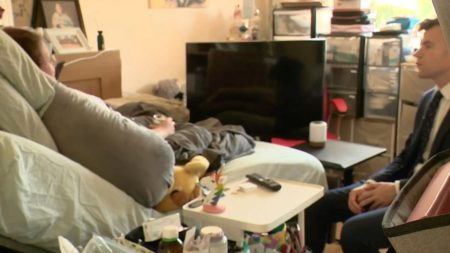
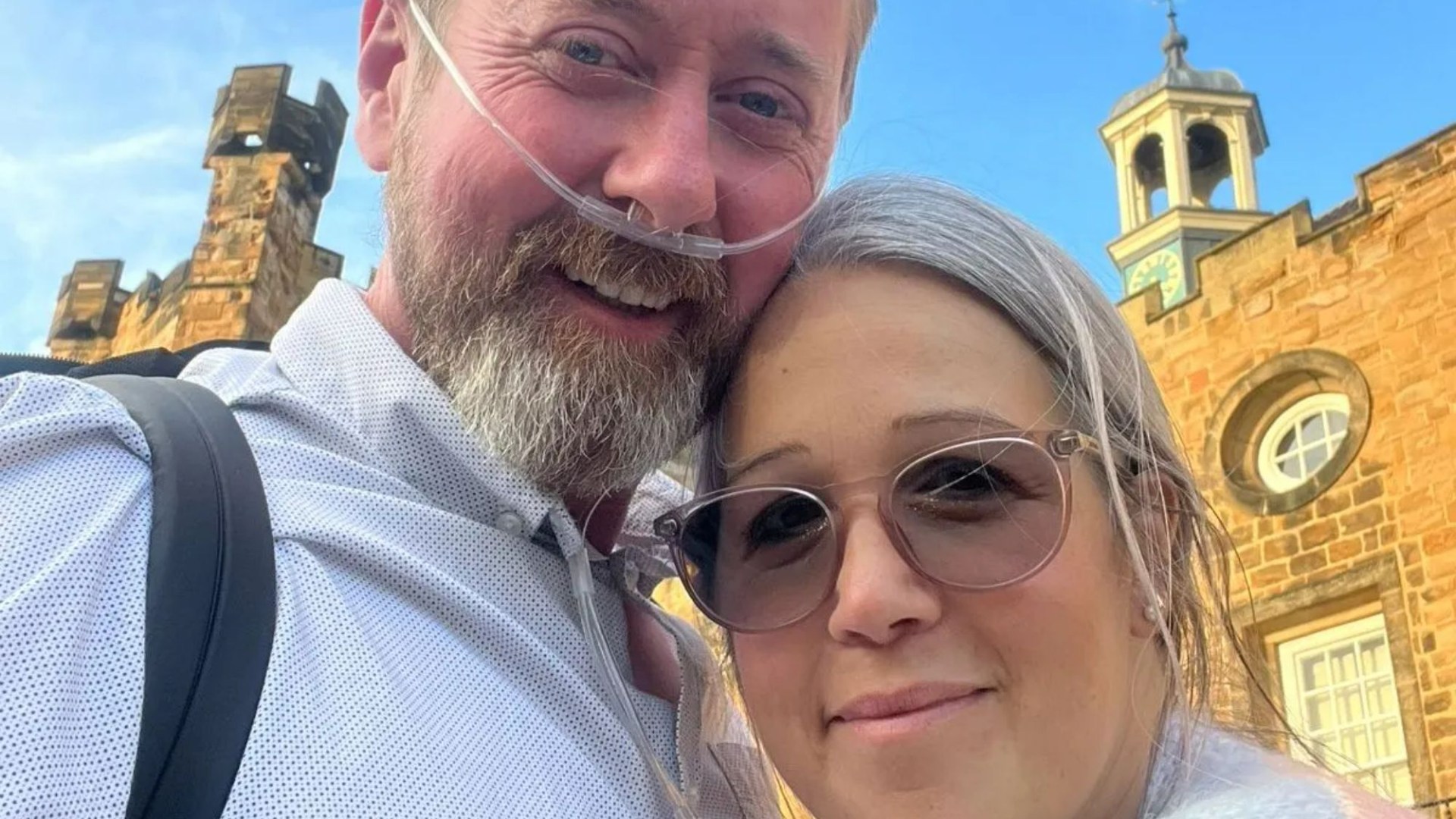
Despite exceeding the initial grim prognosis of less than two years to live, Scott’s daily life is now significantly impacted by scleroderma. He requires supplemental oxygen to assist his breathing and experiences chronic pain, impacting his sleep and overall well-being. The disease has also affected his skin, causing tightening and calcium deposits, though early diagnosis and treatment have minimized the potential disfigurement. Scott’s focus, however, remains on his family – his wife Charlotte, his daughter Tiffany, and his step-sons. He recognizes the emotional burden they carry and prioritizes their well-being above his own suffering.
Despite the immense challenges he faces, Scott remains determined to raise awareness about scleroderma and the importance of early diagnosis. He encourages anyone experiencing symptoms similar to his to seek medical attention promptly and to persist in their pursuit of answers. Early intervention, he emphasizes, is crucial for accessing timely treatment and maximizing both lifespan and quality of life. Scott’s personal experience underscores the critical role of early diagnosis in managing the progression of scleroderma and allowing individuals more precious time with their loved ones.
Scott’s story is a testament to resilience in the face of adversity. While his journey with scleroderma is far from over, he strives to make each day count. He continues to advocate for greater awareness and research into this rare and debilitating disease. His willingness to share his story offers hope and valuable insights for others facing similar challenges, emphasizing the importance of perseverance, family support, and the unwavering pursuit of medical answers. Scott’s experience serves as a powerful reminder of the impact rare diseases can have on individuals and their families, and the critical need for continued research and support.