


Rob Horton, a vibrant 47-year-old builder, experienced persistent digestive issues that his GP initially dismissed as stress-induced acid reflux. Despite his active lifestyle and seemingly robust health, his symptoms worsened over several months, including difficulty swallowing, stomach pain after eating, and significant weight loss. Despite repeated visits to his GP, his concerns were consistently downplayed, attributed to his relatively young age and the perceived unlikelihood of a serious condition. Tragically, on Valentine’s Day 2020, Rob collapsed at home, unable to keep down even water. This alarming event finally led to a hospital visit and extensive tests, revealing the devastating diagnosis of stage 4A esophageal adenocarcinoma, a rare and aggressive form of cancer. This diagnosis shattered the family’s world, highlighting the critical importance of early detection and the dangers of dismissing symptoms based on age or perceived fitness levels.
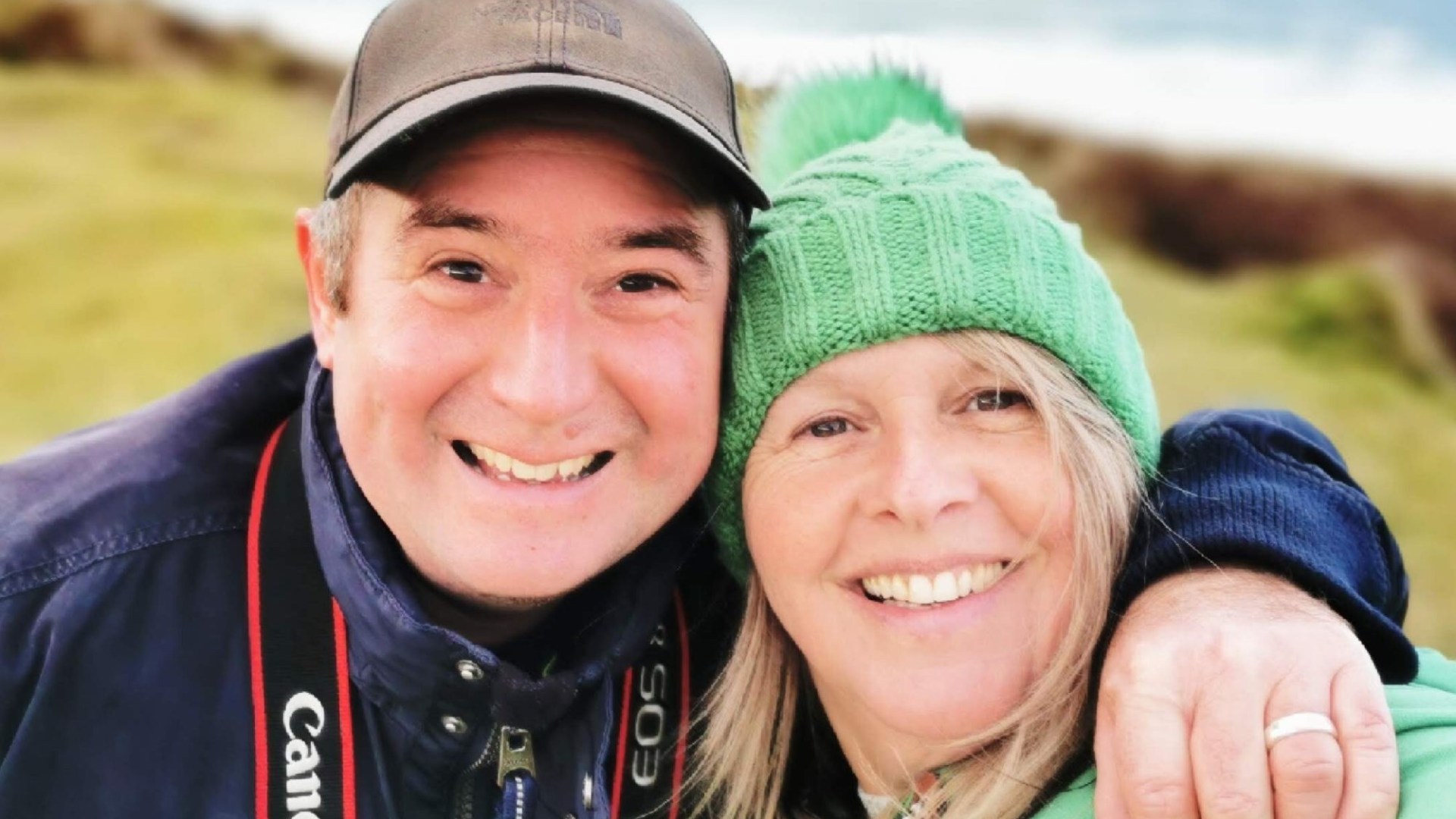
The subsequent four years were marked by a courageous battle against the disease. Rob underwent grueling chemotherapy, which successfully shrunk the tumor enough to allow for an eight-hour surgery to remove a significant portion of his esophagus and stomach. Despite the physical and emotional toll, Rob maintained an optimistic outlook, focusing on his bucket list and cherishing time with his family, including his wife Maria, their three children, and his beloved granddaughter. He embarked on trips to Scotland, Wales, and other destinations he’d always dreamed of visiting, determined to live life to the fullest despite his prognosis. His unwavering spirit and determination served as an inspiration to his family and everyone who knew him.
However, the cancer returned in 2021, spreading to his lymph nodes. Although the diagnosis was now incurable, Rob continued to face his illness with remarkable resilience and humor. He and Maria found solace in shared laughter, even in the face of difficult decisions like signing a ‘Do Not Resuscitate’ form. They continued to make memories, prioritizing family time and experiences. Rob’s love for life, even as his health deteriorated, became a testament to his strength and the power of a positive attitude in the face of adversity.
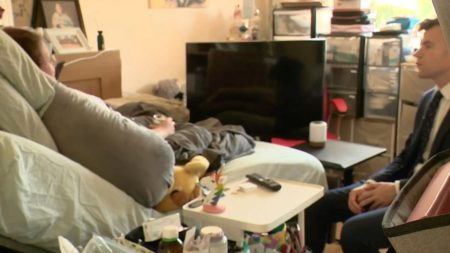
By late 2022, the cancer had advanced further, necessitating additional chemotherapy and palliative radiotherapy. Despite the intensifying treatments, Rob remained focused on his family and making the most of the time he had left. He took a final family trip to Portsmouth to see HMS Victory before becoming bedridden. Surrounded by his loved ones, Rob passed away peacefully at home on March 6, 2024, leaving behind a legacy of love, resilience, and a poignant reminder of the importance of advocating for one’s health. His passing left a void in the lives of his family, especially as they faced their first Christmas without him.
Now, Maria, determined to prevent others from suffering a similar fate, has embarked on a mission to raise awareness about esophageal cancer and the importance of early detection. She believes that Rob’s initial symptoms were overlooked due to his age and fitness level, leading to a delayed diagnosis that ultimately cost him precious time. She stresses the need for GPs to receive more thorough training in recognizing the subtle signs of esophageal cancer and to avoid dismissing symptoms based on preconceived notions about age or lifestyle. Maria’s advocacy work is driven by a desire to honor Rob’s memory by making a tangible difference in the lives of others, advocating for proactive healthcare and challenging assumptions that can lead to delayed diagnoses.
Maria urges anyone experiencing persistent digestive problems, including difficulty swallowing, unexplained weight loss, and persistent heartburn, to seek medical attention and insist on thorough testing. She emphasizes the importance of trusting one’s instincts and seeking a second opinion if necessary. Early diagnosis is crucial in improving the odds of survival against esophageal cancer. Maria’s plea is a powerful call to action, urging individuals to become their own health advocates and to push for answers when something feels wrong. She encourages open communication with healthcare providers and stresses the importance of persistent follow-up when symptoms persist. Through her advocacy, Maria hopes to transform her personal tragedy into a catalyst for change, improving early detection rates and ultimately saving lives.