


The Tragic Demise of Marek Marzec: A Case Study of Workplace Negligence and the Deadly Consequences of Silicosis
Marek Marzec, a 48-year-old father of three, recently succumbed to silicosis, a debilitating lung disease contracted from prolonged exposure to silica dust during his career cutting kitchen worktops. His passing underscores the critical need for stringent workplace safety regulations and the devastating impact of inadequate protection for workers in high-risk industries. Mr. Marzec’s story serves as a stark reminder of the human cost associated with occupational hazards and the urgent need for greater accountability from employers and regulatory bodies. He leaves behind a grieving family and a legacy that demands immediate action to prevent similar tragedies from occurring in the future.
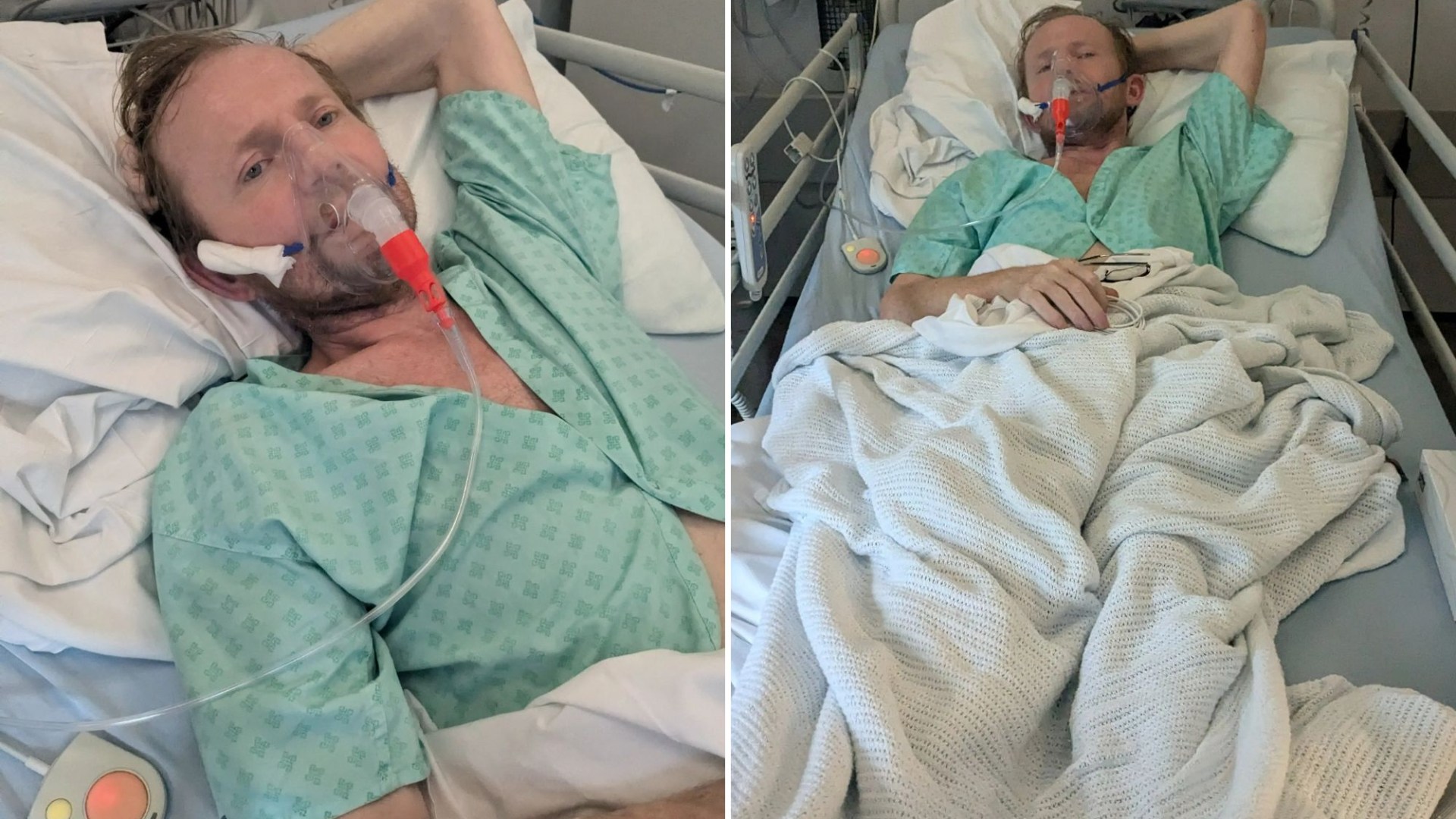
Mr. Marzec, originally from Poland, had worked for several engineered stone manufacturers in north London and Hertfordshire since 2012. He consistently complained about the "appalling working conditions" he faced, highlighting the pervasive presence of "lethal" silica dust generated during the cutting of quartz worktops. Tragically, his concerns went unheeded, leading to his diagnosis with silicosis in April 2023. His condition rapidly deteriorated, leaving him too frail to undergo a potentially life-saving lung transplant. He received end-of-life care at Whittington Hospital in London, where he passed away on November 30th from respiratory failure directly attributed to silicosis. His death certificate poignantly lists the cause of death as "Artificial Stone Silicosis," a chilling indictment of the industry practices that led to his untimely demise.
Prior to his passing, Mr. Marzec bravely spoke out about the dangers of working with engineered stone, driven by a desire to protect his fellow workers from suffering a similar fate. His willingness to share his story, despite his deteriorating health, demonstrates a profound sense of responsibility and a commitment to raising awareness about the risks associated with this occupation. He expressed his anger and frustration at being exposed to such hazardous conditions, emphasizing that his life had been tragically cut short simply for "doing his job." His story underscores the vulnerability of workers in industries with inadequate safety protocols and the urgent need for regulatory oversight to protect their health and well-being.
Mr. Marzec’s case is not isolated. Leigh Day, the law firm representing him, is also acting on behalf of several other former stoneworkers diagnosed with silicosis. These cases collectively highlight a systemic failure to implement adequate safety measures within the engineered stone industry. They emphasize the need for "urgent" changes to protect workers from the devastating consequences of silica dust exposure. The firm asserts that without immediate action, more tragic deaths will inevitably follow. His solicitor, Ewan Tant, described Mr. Marzec as a "lovely man and incredibly brave," commending his courage both in battling his illness and in sharing his story to protect others. He expressed hope that Mr. Marzec’s death would serve as a "wake-up call" for the industry and regulatory bodies like the Health and Safety Executive (HSE).
Silicosis, a progressive and irreversible lung disease, is caused by the inhalation of crystalline silica dust. This dust triggers inflammation and scarring within the lungs, impairing their ability to function properly. Symptoms, including persistent cough, shortness of breath, weakness, and tiredness, often develop over many years, sometimes only becoming apparent after exposure has ceased. Occupations involving stone masonry, construction, demolition, worktop manufacturing, pottery, ceramics, glass manufacturing, mining, quarrying, and sandblasting carry a particularly high risk of silicosis. Mr. Marzec’s case highlights the devastating impact of this disease and the need for greater awareness and preventative measures within these industries.
The tragic death of Marek Marzec serves as a stark reminder of the vital importance of workplace safety. His legacy should inspire a renewed commitment to protecting workers from occupational hazards and holding employers accountable for providing safe working environments. His story underscores the human cost of negligence and the urgent need for proactive measures to prevent future tragedies. The ongoing legal action taken on behalf of Mr. Marzec and other affected workers holds the potential to bring about meaningful change within the engineered stone industry, ensuring that workers are adequately protected from the deadly consequences of silica dust exposure. His case serves as a powerful call to action for regulatory bodies, employers, and workers alike to prioritize safety and prevent further unnecessary suffering.